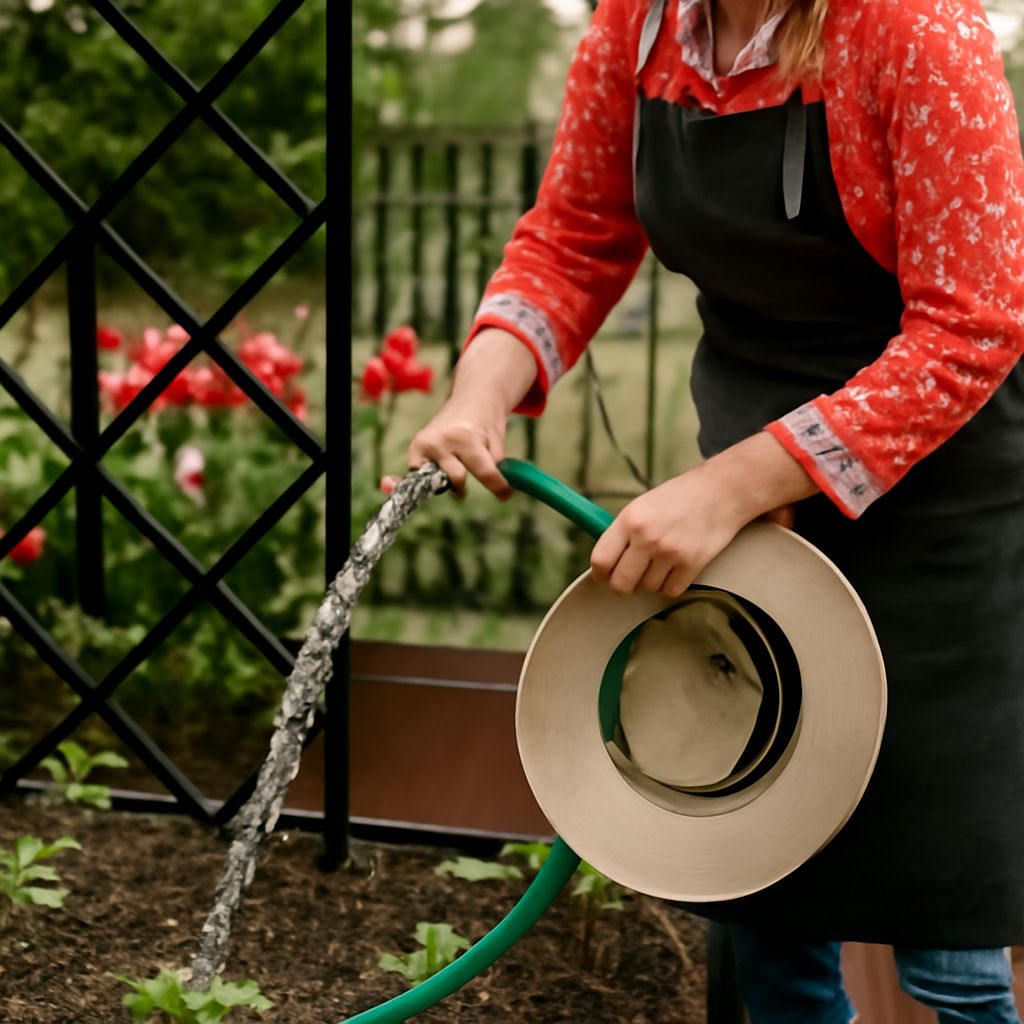
When it comes to maintaining a lush garden, one of the most common questions we encounter is, “How often should I water my garden?” There’s a widespread myth that more water always means healthier plants. In reality, this isn’t the case. Overwatering can be just as harmful as underwatering, leading to root rot and other plant health issues.
To ensure your garden thrives, it’s essential to understand that every garden is unique, and the frequency of watering should be tailored to its specific needs. As we delve into the specifics, we’ll explore the crucial factors that influence your garden’s irrigation requirements and provide you with best practices for effective garden maintenance.
Understanding Your Garden’s Needs
Every garden has its own set of needs based on various factors such as location, type of plants, and soil composition. Understanding these needs is the first step to determining how often to water garden areas effectively. By paying attention to the specific requirements of your garden, you can create a personalized watering schedule that promotes healthy growth.
It’s important to observe your plants and soil regularly. Look for signs of wilting or dryness in the soil, which can indicate when watering is needed. Getting to know your garden’s unique quirks will help you make informed decisions about irrigation.
Factors Affecting Water Frequency
Climate Impact
The climate in which your garden is situated plays a significant role in determining watering frequency. In hot and arid regions, gardens require more frequent watering to keep plants hydrated and healthy. Conversely, in cooler, more humid areas, less frequent watering may be necessary as moisture tends to linger in the soil and air.
Seasonal changes also impact how often we should water our gardens. During the peak summer months, increased temperatures and sunlight can rapidly dry out soil, necessitating more frequent irrigation.
Soil Type Considerations
Soil type is another critical factor in how often to water garden beds or lawns. Sandy soils, for instance, drain quickly and often require more frequent watering to maintain adequate moisture levels. On the other hand, clay soils retain water longer, reducing the need for frequent irrigation but increasing the risk of overwatering.
Loam soils, a balanced mix of sand, silt, and clay, provide excellent drainage and water retention, making them ideal for most garden types. Understanding your soil type can help tailor your watering strategy effectively.
Plant Varieties
Different plants have varying water needs. Succulents and cacti, for instance, require significantly less water compared to thirstier plants like tomatoes or hydrangeas. Grouping plants with similar water needs together can simplify the watering process and improve overall garden health.
Additionally, consider the maturity of the plants. Younger plants generally require more frequent watering until they’re fully established, at which point their water needs may decrease.
Guidelines for Watering Your Garden
Seasonal Watering Tips
Adjusting your watering practices with the seasons ensures your plants receive adequate moisture throughout the year. In spring, as plants begin to grow, gradually increase watering frequency. Summer months call for the most attention, with regular checks to avoid dehydration.
In autumn, reduce watering as temperatures drop and plant growth slows. During winter, many plants go dormant, and in frost-prone areas, little to no watering may be needed.
Watering Techniques
Effective watering techniques are vital for garden maintenance. Water deeply but less frequently to encourage deep root growth. Early morning or late evening watering reduces evaporation and ensures more water reaches the roots.
Consider using drip irrigation systems or soaker hoses, which deliver water directly to the soil, minimizing waste and ensuring uniform distribution. These methods are particularly useful for conserving water in areas facing restrictions.
Common Mistakes in Garden Watering
Overwatering is a frequent mistake that can lead to waterlogged soil and root damage. It’s essential to let the top few inches of soil dry out between watering sessions. On the other hand, underwatering can stress plants, making them more susceptible to diseases.
Another common error is watering at the wrong time of day. Watering during peak sun hours increases evaporation and waste, so it’s best to stick to early morning or evening sessions.
Signs of Overwatering and Underwatering
Identifying signs of overwatering and underwatering can help us adjust our watering practices. Overwatered plants often display yellowing leaves, mushy stems, and poor growth. The soil may have a foul smell due to anaerobic conditions.
Underwatered plants typically exhibit wilting, dry and crispy leaves, and stunted growth. Monitoring these signs will guide adjustments in your watering regimen to maintain a healthy garden.
By understanding the specific needs of your garden and the factors that affect irrigation, you can refine your watering practices. This ensures your plants thrive, making your garden a vibrant and flourishing space.


