When most of us picture the Southwest, we imagine vast stretches of desert dotted with hardy plants. Among these, the mesquite tree and mesquite bush often stand out, but confusion around these two is surprisingly common. Is every sprawling, thorny shrub a bush, or could it be a young tree? Let’s clear up the myths: while both share the name “mesquite,” their forms, uses, and needs can differ more than we might think. Understanding the real distinctions isn’t just about trivia—it helps us make better choices for landscaping, habitat restoration, and even culinary adventures!
In this guide, we’ll dive into mesquite tree identification and provide a thorough mesquite bush guide. Along the way, we’ll look at key differences, offer practical care tips, explore their many benefits, and answer some of the most frequent questions we encounter. Whether we’re admiring mature mesquite trees or managing low-growing mesquite bushes, clear identification and proper care are essential for healthy, beautiful landscapes.
Mesquite Tree Overview
Let’s start with the basics of mesquite tree identification. Mesquite trees, members of the genus Prosopis, are native to North and South America, thriving in hot, arid climates. They grow as medium-sized trees, often reaching 20 to 40 feet at maturity, though some can exceed these heights under ideal conditions. Their graceful, spreading canopy provides valuable shade in harsh environments and makes them a popular choice for natural landscaping.
The leaves of a mesquite tree are delicate and feathery, arranged in pairs along slender stems. These compound leaves help reduce water loss, a key adaptation for desert survival. The bark is usually rough and grayish-brown, which thickens with age, and the branches can be armed with sharp thorns—an important feature for identification and for deterring browsing animals.
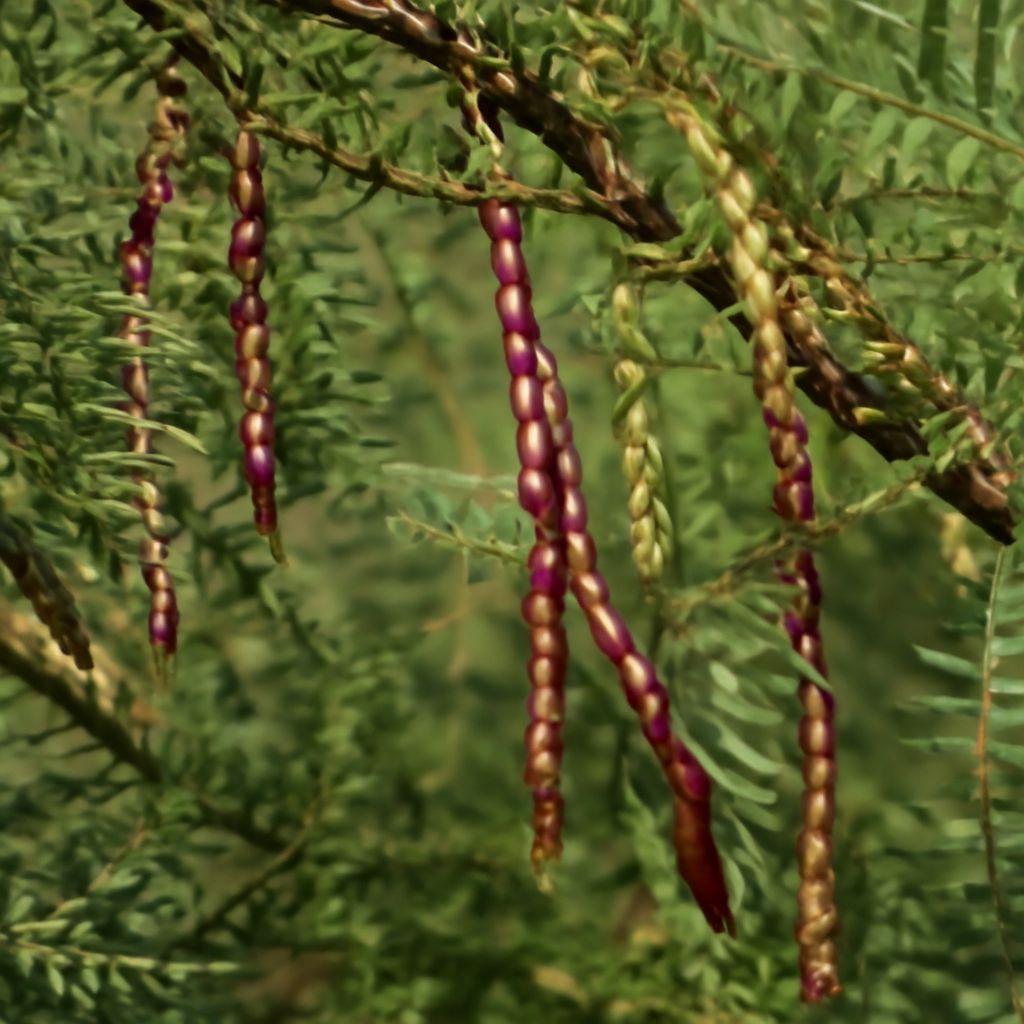
In spring and early summer, mesquite trees produce clusters of pale yellow or creamy-white flowers, which attract bees and other pollinators. The resulting seed pods are long, often curved, and contain sweet, edible pulp. These pods are not only a food source for wildlife but have also been used by people for centuries in a variety of traditional foods.
While mesquite tree identification can sometimes be tricky, looking for the characteristic height, single trunk, and spreading canopy usually sets them apart from their bushier relatives.
Mesquite Bush Characteristics
Now, let’s turn to the mesquite bush guide. Mesquite bushes are essentially the same species as mesquite trees but exhibit a different growth form, typically due to environmental conditions, genetics, or disturbance (like repeated browsing or cutting). They remain shorter—usually under 10 feet tall—and have a multi-stemmed, shrubby appearance. This growth habit makes them valuable for erosion control and as wildlife cover in arid landscapes.
The leaves of mesquite bushes closely resemble those found on trees: finely divided, bright green, and feathery. However, the branches are often more densely packed and may be more heavily armed with thorns, making the bush difficult to navigate through. The bark on mesquite bushes tends to be smoother and lighter-colored when young, darkening and roughening with age.
Like their tree counterparts, mesquite bushes bloom with small, fragrant flowers, followed by long seed pods. Because they stay lower to the ground and spread wide, these bushes can form dense thickets—a common sight in rangelands and along dry washes. This thicket-forming habit is both a blessing and a challenge: it provides essential habitat for birds and small mammals, but can also make land management more difficult if the bushes become invasive.
When following a mesquite bush guide, we pay close attention to plant height, stem number, and general shape, as these features help distinguish bush from tree, especially in young plants.
Differences Between Mesquite Tree and Mesquite Bush
It’s easy to see why confusion arises between the mesquite tree and mesquite bush. After all, they share many physical traits and, in some cases, may even be the same species! The key difference lies in their form and growth habits. Mesquite trees generally grow upright, with a single main trunk and a broad, umbrella-like canopy. In contrast, a mesquite bush is low-growing, multi-stemmed, and forms a dense, spreading mass.
Often, a mesquite starts as a bush and, over time and with favorable conditions, matures into a tree. However, repeated cutting, grazing, or harsh environmental stress can keep a mesquite in bush form indefinitely. The presence of a main trunk is often the quickest way to distinguish between the two in the field.
From a practical standpoint, the choice between a mesquite tree and mesquite bush can impact landscaping and land management decisions. Trees provide more shade and vertical structure, while bushes are better suited for ground cover, windbreaks, and erosion control.
Both forms have their place, and understanding their differences allows us to harness their unique qualities—whether we’re restoring rangeland, planning a water-wise garden, or just enjoying the beauty of native plants.
Growing Conditions and Care
Whether planting a mesquite tree or managing a mesquite bush, the basic needs are similar. Mesquites favor well-drained soils, full sun, and infrequent but deep watering. These plants are drought-tolerant by nature, but young specimens appreciate a little extra water their first year to help roots establish.
When choosing between a mesquite tree and mesquite bush for our garden, we consider space and intended use. Trees need more room to spread out, while bushes can be planted closer together. Pruning is key: thinning out lower branches on young trees encourages upright growth, while trimming back bushes can help manage size and shape.
Fertilization is rarely needed if soil is reasonably healthy, and overwatering can do more harm than good. Mulching around the base helps retain soil moisture and keep roots cool—especially important in the hottest months. For both the mesquite tree and mesquite bush, keeping an eye out for pests like borers or fungal spots and responding quickly can prevent long-term damage.
Our mesquite bush guide wouldn’t be complete without a note on invasiveness: in some regions, mesquites can spread aggressively. Responsible management includes regular monitoring, and, if needed, removing seedlings or thinning out dense thickets to maintain ecological balance.
Benefits and Uses
The mesquite tree and mesquite bush both offer a wealth of benefits. As shade providers, trees are a staple in arid landscapes, cooling the ground and sheltering understory plants. Their deep roots improve soil structure and draw up nutrients, while the nitrogen-fixing ability of mesquites enriches surrounding soils.
The mesquite bush is invaluable for stabilizing soil, preventing erosion, and supporting wildlife. Dense thickets offer nesting sites and protection for small mammals and birds, while the flowers are a vital nectar source for pollinators. Even the seed pods, produced in abundance by both forms, feed a range of creatures.
For us, mesquite wood is prized for grilling and smoking foods thanks to its rich, sweet flavor. Ground mesquite pods are used in traditional cooking and artisan products. In landscaping, both tree and bush forms are drought-wise choices, fitting well into xeriscape designs and low-maintenance gardens.
By understanding the unique strengths of each, we can select the right form—mesquite tree or mesquite bush—for our needs and the needs of our local ecosystem.
Common Questions About Mesquites
We’re often asked how to tell a mesquite tree from a mesquite bush, and as our mesquite bush guide shows, it’s about looking for single versus multiple stems, overall height, and branch structure. Another frequent question is about pruning: for mesquite trees, selective trimming can help maintain shape and health, while for bushes, periodic thinning controls spread.
Are mesquites hard to grow? Not at all—if we respect their need for sun and dry conditions, both the tree and bush forms are rugged survivors. Some wonder whether mesquite roots can damage pipes or structures; typically, roots are deep rather than invasive, but planting away from foundations is wise.
We also hear concerns about invasiveness. While mesquites are important natives, in disturbed or overgrazed areas they can take over. Monitoring seedlings and controlling thickets keeps plantings in balance. Finally, many ask if all mesquites are edible—while pods are generally safe, always check species and local guidance before harvesting for food.
Armed with these answers, we can approach mesquite planting and care with greater confidence, appreciating both the mesquite tree and mesquite bush for their resilience and utility.
Bottom line: Mesquite trees and bushes are tough, adaptable, and full of character. By learning their differences and needs, we make better choices for our gardens and local habitats—enjoying all the beauty and benefits these iconic plants provide.