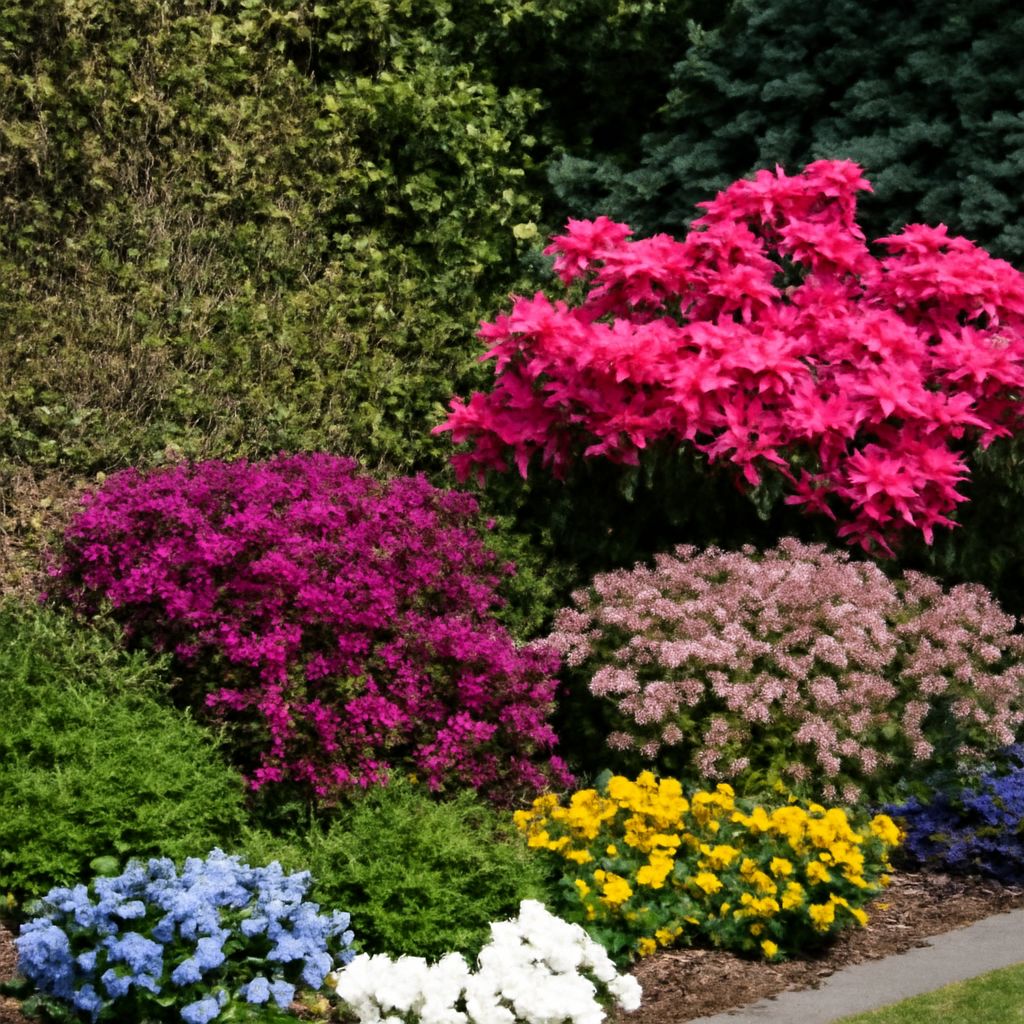
Many of us believe that starting a flower garden is complicated, something that requires a green thumb or years of experience. The truth is, anyone—regardless of background—can be successful with the right guidance. Starting a flower garden is not just for seasoned gardeners; it’s a rewarding project beginners can enjoy and excel at with a few essential tips. We’ll walk you through what really matters, using practical steps to break down myths and help you cultivate your own vibrant space.
If you’ve dreamt of a colorful yard or simply want to brighten up your porch, this guide is for you. We’ll cover everything from choosing the right spot and selecting easy-care flowers to gathering essential tools and following a clear planting process. Let’s debunk the idea that starting a flower garden is overwhelming and instead turn it into a simple, enjoyable journey.
Why Start a Flower Garden?
Starting a flower garden brings so much more than just beauty to our outdoor spaces. It’s a chance to connect with nature, be creative, and enjoy the calming effects of working with soil and plants. For beginners, gardens provide a rewarding outlet, helping us unwind and develop new skills. There’s something truly satisfying about watching the blooms we’ve planted grow and flourish.
A flower garden can also enhance our homes by attracting pollinators like bees and butterflies, which benefit other plants and the surrounding ecosystem. It encourages us to spend more time outside, appreciating the changing seasons and fresh air. Each day, we’ll notice subtle changes, from the first signs of growth to the colorful display that follows.
On a practical level, starting a flower garden can boost curb appeal and possibly even home value. The process itself teaches patience and attention to detail—qualities that extend beyond gardening. And as we learn to care for our plants, we become more observant and attuned to the rhythms of nature.
Finally, the act of gardening can be a shared experience. Whether working alongside family or friends, or trading tips with neighbors, we build connections that last as long as our blooms. The journey begins with a single step, and each flower is a small victory along the way.
Choosing Your Garden Location
Picking the right spot is the foundation of a thriving flower garden. We start by observing our outdoor space throughout the day. Look for areas that receive at least six hours of sunlight, as most popular flowers need good light to grow well. Partial sun spots can work for shade-loving varieties, but sun exposure is usually key for abundant blooms.
We also take into account the soil type and drainage. Water should not pool after a rainfall; well-drained soil helps roots stay healthy. If we notice heavy clay or very sandy patches, amending the soil with compost or organic matter improves both fertility and structure. It’s important to avoid areas next to large trees where roots may compete for nutrients and water.
Accessibility is another consideration. We want our garden to be within easy reach for watering, weeding, and regular care. If we’re working with a small space or containers, balconies and patios can be just as rewarding as traditional garden beds. Thinking ahead about the garden’s size makes maintenance more manageable and enjoyable.
Once we’ve chosen the best spot, we mark the area and remove any grass or weeds. Preparing the site thoroughly before we plant sets us up for success and keeps our flower garden looking its best from day one.
Selecting Flowers for Beginners
Starting a flower garden is easier when we choose beginner-friendly varieties. We focus on hardy flowers that are known for their resilience and minimal maintenance needs. Marigolds, zinnias, cosmos, and sunflowers are classic choices for new gardeners. These options provide long-lasting color and adapt well to different conditions.
We also consider mixing annuals and perennials. Annuals offer a burst of color all season and are perfect for experimenting with new plants each year. Perennials return year after year, building a more permanent structure in our garden. Black-eyed Susans, coneflowers, and daylilies are reliable perennials that tolerate a range of climates and soils.
When selecting flowers, we pay attention to bloom times and heights. This creates visual interest and ensures there’s always something flowering. Reading plant tags or seed packets gives us information about spacing, light requirements, and watering preferences. Native flowers are a smart choice, as they’re adapted to our local environment and attract helpful insects.
Finally, we consider our color palette and the atmosphere we want to create. A mix of bold, bright colors can energize a space, while softer pastels lend a calming effect. By choosing easy-care flowers that suit our location, we set our flower garden up for healthy, vibrant growth from the start.
Essential Tools and Materials
Having the right tools makes starting a flower garden more efficient and enjoyable. We recommend a short list of essentials: a sturdy trowel for digging, pruners for trimming, and a hand fork for loosening soil. A watering can or hose with a gentle spray head ensures even watering without damaging young plants.
We also need quality gardening gloves to protect our hands from thorns and soil. Mulch helps retain soil moisture and suppress weeds, while compost or organic fertilizer gives new flowers a boost. For those starting with seeds, we might use seed trays, labels, and a spray bottle for gentle watering during germination.
Soil testing kits are helpful, especially if we aren’t sure about our soil’s pH or nutrient levels. This gives us guidance on amending the soil before planting. Buckets for collecting debris and a kneeling pad make longer gardening sessions more comfortable.
By gathering these tools and materials before we begin, we avoid extra trips to the store and keep our focus on the creative part of gardening—choosing and nurturing beautiful flowers.
Step-by-Step Planting Guide
Once we’ve selected our flowers and prepared the site, it’s time to plant. We start by loosening the soil to a depth of 6 to 12 inches, mixing in compost for improved fertility. Laying out our plants or seeds in advance helps visualize spacing and arrangement.
For transplants, we dig holes slightly larger than the root ball and gently place the plant at the same depth it was growing in the pot. We firm the soil around each plant and water thoroughly. For seeds, we follow packet instructions for depth and spacing, covering lightly with soil and misting until seedlings emerge.
We mulch around the flowers to keep the soil moist and discourage weeds. Initial watering is key; we aim for consistent moisture but avoid soggy conditions. As the plants settle in, we watch for signs of stress and adjust care as needed.
Labeling our varieties helps us remember what’s planted where. Over time, we can track which flowers thrive and experiment with new ones, making each season unique.
Maintaining Your Flower Garden
Ongoing care keeps our flower garden flourishing. We water early in the day, focusing on the base of each plant to reduce disease risk. Checking soil moisture with a finger test helps us avoid overwatering or letting soil dry out completely.
As flowers grow, we deadhead spent blooms to encourage new growth and extend the flowering period. Weeds compete for resources, so regular removal is a simple way to keep our garden healthy. Every few weeks, we check for pests or diseases and use natural controls or remove damaged leaves as needed.
Fertilizing occasionally—especially during peak growing periods—supports strong blooms. We observe our garden closely, learning from what works and making small adjustments each year. Seasonal chores like mulching in summer and cleaning up in fall help our flower beds look their best.
Above all, patience and observation are key. Each day brings changes, and our attention ensures continuous color and enjoyment. By following these essential tips, we can confidently nurture a thriving flower garden, gaining satisfaction and beauty with every new blossom.