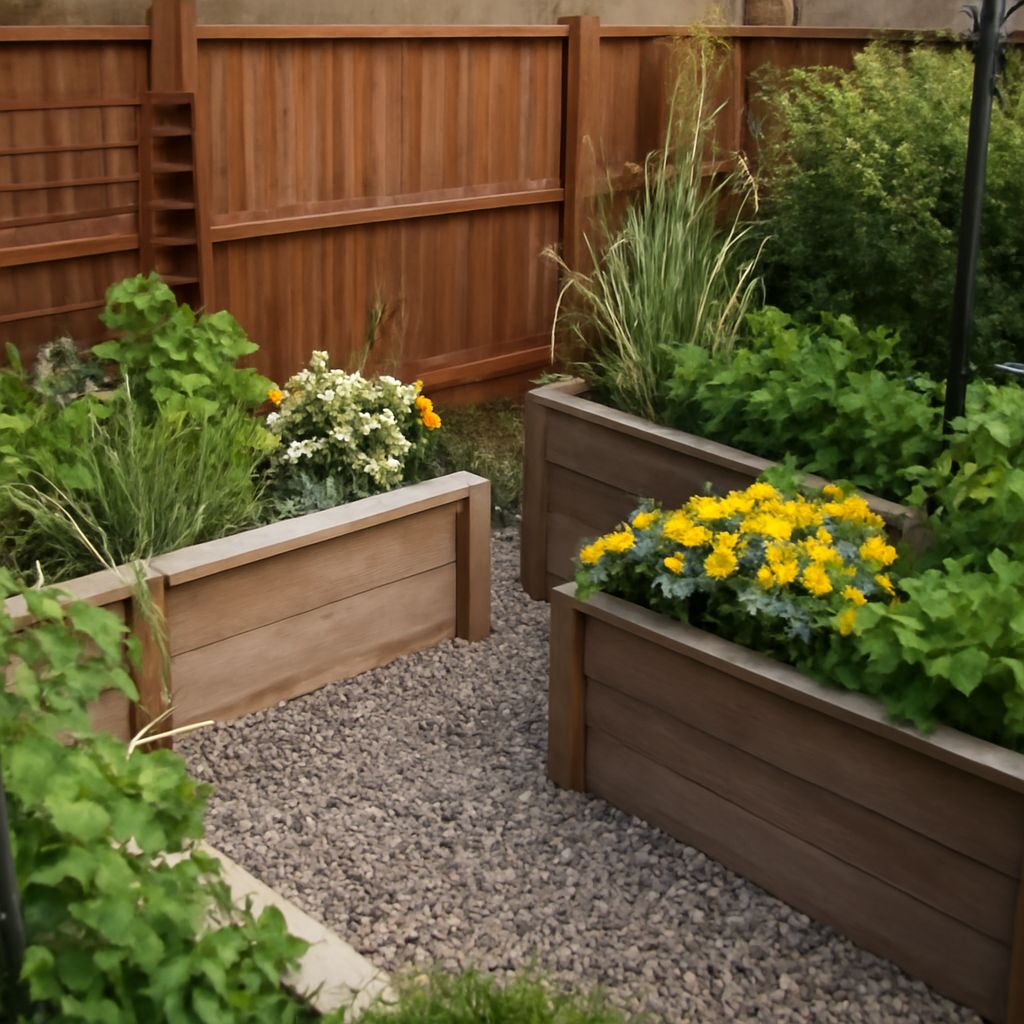
When people first hear about keyhole gardens, a common reaction is skepticism. How can something that looks like a pizza slice with a hole be efficient for gardening? Many assume that keyhole garden design is too complex or simply an aesthetic choice for garden enthusiasts. However, the truth is that keyhole gardens are an ingenious solution for sustainable gardening, combining both form and function. In this article, we aim to dispel the myths surrounding keyhole gardens and uncover the practical benefits and straightforward design principles that make them an excellent choice for beginners and experienced gardeners alike.
Keyhole gardens are not just for those with a green thumb. This innovative design can transform your gardening experience by maximizing space and resources. The structure allows for efficient composting and water conservation, making it ideal for regions prone to drought or for anyone looking to reduce their environmental footprint. Let’s dive into the essentials of keyhole garden design and explore how you can start reaping the benefits.
Understanding Keyhole Gardens
Keyhole gardens are circular raised beds with a central compost basket and a path that cuts into the circle, resembling a keyhole from above. This design facilitates easy access to all parts of the garden, simplifying planting and harvesting. The keyhole garden design promotes nutrient-rich soil and optimal water retention, thanks to the integrated composting area.
The origins of keyhole gardens can be traced back to Africa, where they were created to address food security and environmental challenges. By using local materials and encouraging composting, keyhole gardens became a sustainable solution for producing food in arid climates. Today, gardeners worldwide embrace this practical design for its efficiency and eco-friendly benefits.
Benefits of Keyhole Garden Design
The keyhole garden design offers numerous advantages that make it appealing to gardeners. First and foremost is the efficient use of space. Even in small areas, a keyhole garden can provide ample room for various plants, utilizing the vertical as well as horizontal space.
Another significant benefit is water conservation. The central compost basket helps retain moisture, reducing the need for frequent watering. This feature is particularly beneficial in regions facing water scarcity. Moreover, keyhole gardens encourage sustainable gardening practices by integrating composting directly into the structure, enriching the soil and reducing waste.
Materials Needed for Keyhole Gardens
Creating a keyhole garden requires specific materials, but most can be sourced locally or repurposed. Essential materials include stones or bricks for constructing the garden’s perimeter, soil, and compost for the planting area. Reed mats or sticks can be used to form the compost basket at the center of the garden.
Additional materials might include cardboard or straw as a base layer to aid drainage and soil retention. Gathering these materials before starting the construction will streamline the process and ensure your keyhole garden thrives.
Step-by-Step Guide to Building a Keyhole Garden
Building a keyhole garden involves several straightforward steps. Start by selecting a location with enough sunlight and easy access. Mark out a circular area, approximately six feet in diameter. Construct the garden walls using stones or bricks, leaving a wedge-shaped path leading to the center.
Next, create the central compost basket using sticks or reed mats. Line the bottom of the garden with cardboard or straw to enhance drainage. Fill the garden with layers of soil and compost, ensuring the compost basket remains unobstructed. Once filled, plant your chosen crops around the garden perimeter. Regularly add kitchen scraps and garden waste to the compost basket to nourish your plants.
Common Mistakes in Keyhole Garden Design
While keyhole garden design is accessible to many, certain common mistakes can hinder success. One frequent error is neglecting the compost basket, which is crucial for nutrient cycling and moisture retention. Regularly adding organic material will optimize plant health.
Another mistake is overloading the garden with too many plants, which can lead to competition for space and resources. Strategically planning your plant layout according to growth habits and nutrient requirements will enhance productivity. Lastly, ensure the garden is constructed with sturdy materials to prevent collapse and maintain its shape over time.
Maintaining Your Keyhole Garden
Maintaining a keyhole garden is relatively simple, thanks to its self-sustaining design. Regularly tend to the compost basket, adding kitchen waste and garden debris to keep the nutrient cycle active. Monitor soil moisture and water sparingly, as the design naturally retains water.
Weeding and harvesting can be done effortlessly due to the convenient access path. Seasonal crop rotation is advised to maintain soil health and prevent pest buildup. With consistent care, your keyhole garden will continue to provide bountiful yields and serve as a testament to sustainable gardening practices.


