When we think about a lush garden, many of us assume it requires constant attention, daily watering, and endless time spent dragging hoses. But with a self watering garden, we can easily break this myth. The truth is, modern irrigation solutions do most of the heavy lifting—if we know how to maintain, optimize, and troubleshoot them.
It’s not magic, just smart planning and steady upkeep. With some simple self watering garden maintenance, we’ll keep our irrigation system running smoothly, ensuring healthy plants and more free time for ourselves. Let’s dig into exactly how these systems work and how to make the most of them.
How Self Watering Gardens Work
Self watering gardens use clever technology to deliver moisture directly to plants’ roots, minimizing waste and maximizing efficiency. These systems usually include a reservoir that stores water and a mechanism, like a wick or capillary mat, that brings moisture up into the soil as needed. That means plants only draw water when they need it, reducing the risk of both under- and overwatering.
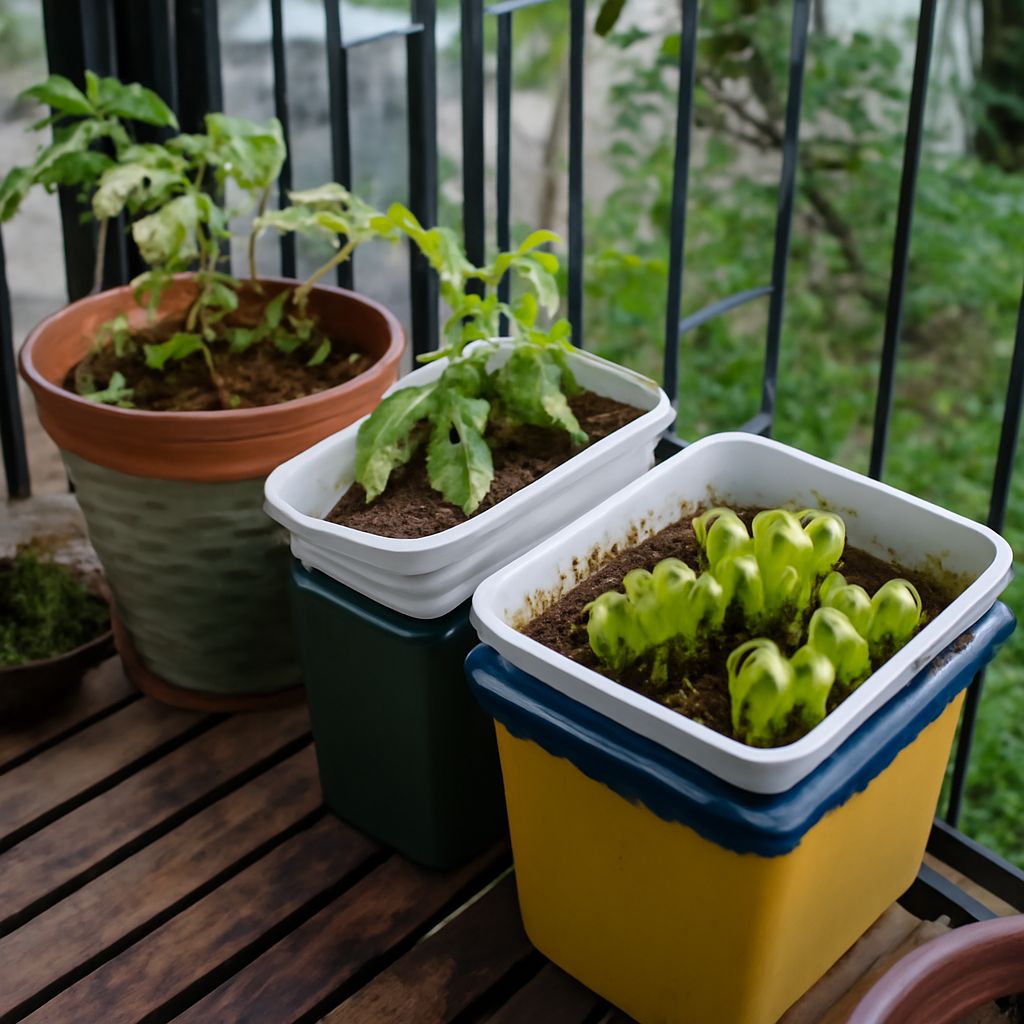
There are several designs, from DIY setups with recycled containers to commercial planters with built-in irrigation. In any setup, the core idea is to let plants self-regulate their water intake using capillary action or similar methods. This is ideal for busy gardeners or anyone who travels, as the risk of forgetting to water is almost eliminated.
We’ve found that self watering gardens can be set up for everything from small herb pots to large raised beds. The crucial point is that the soil remains consistently moist, but not soggy—a balance that’s tough to achieve with hand watering. Plus, because water is delivered below the surface, evaporation is minimized.
Understanding the basics of a self watering garden helps us appreciate why maintenance and irrigation are so important. By grasping the design and function, we can spot issues earlier and make tweaks to improve plant health.
Key Maintenance Tasks
Regular upkeep is essential for any self watering garden, even though these systems are low maintenance by design. The first task is to check the water reservoir frequently. If it runs dry, the system can’t deliver moisture, and roots may dry out. We recommend topping off the reservoir every few days, especially in hot weather or if the garden is in full sun.
Inspecting the wicking system or irrigation tubing is also critical. Over time, mineral deposits, algae, or root growth can clog these pathways. We should rinse and gently scrub wicks or tubes at least once per growing season. A quick flush with clean water can prevent buildup and keep the system running smoothly.
It’s also a good idea to check the soil for compacting. In a self watering garden, soil can compress over time, reducing its ability to absorb water evenly. Every few months, we can gently aerate the soil with a fork or skewer, taking care not to damage roots or the irrigation mechanism.
Finally, a routine inspection for leaks or cracks in the reservoir and watering tray is wise. Early detection helps us avoid wasted water and stressed plants. By staying on top of these basic self watering garden maintenance tasks, we ensure a thriving, low-effort garden all season long.
Optimizing Irrigation Efficiency
Once the basics are covered, we can take steps to maximize the efficiency of our self watering garden. The first strategy is to use well-draining, moisture-retentive soil. Mixing in coconut coir or vermiculite helps keep moisture available without waterlogging roots.
Mulching the soil surface is another effective technique. Organic mulch, such as straw or shredded leaves, reduces evaporation, keeping the water in the reservoir working longer. This simple step can stretch time between refills and improve plant growth.
We should also pay attention to plant spacing. Overcrowded containers can strain the self watering system, making it harder for each plant to access moisture. Following recommended spacing guidelines ensures every root system has enough access to the water below.
Monitoring the water level and soil moisture helps us fine-tune the irrigation. Some self watering garden setups come with a water level indicator or gauge, making it easier to know when to refill. Even without a gauge, we can stick a finger into the soil to check moisture, ensuring we’re not letting things get too dry or too wet.
Troubleshooting Common Issues
Even with regular maintenance, issues can crop up in any self watering garden. The most common problem is a clogged wick or irrigation line, which leads to dry soil and wilting plants. If we notice the soil isn’t staying moist, it’s time to clean or replace the wick or flush out the tubing.
Another frequent issue is overwatering, which can result from a malfunctioning reservoir or poor drainage. If plants look yellowed or the soil is soggy, we may need to improve drainage with extra holes in the container or adjust the soil composition to be more porous.
Sometimes, mold or algae can develop in the water reservoir, especially in warm weather. To avoid this, we rinse the reservoir with a mild vinegar solution several times a season. Keeping the water clean supports healthy plant roots and prevents pests.
If the system just isn’t delivering enough water, we should check for leaks or cracks in the reservoir. Fixing these quickly protects our investment and keeps the self watering garden running reliably.
Seasonal Care Advice
Seasonal changes bring new challenges for a self watering garden. In spring, we perform a thorough cleaning—washing out reservoirs, replacing old wicks, and adding fresh soil. This sets a healthy foundation for the growing season ahead.
During hot summer months, evaporation increases, so we may need to refill reservoirs more often. It’s also wise to monitor plant health closely, as rapid growth can strain the system. Using shade cloths or strategic placement of containers can help reduce moisture loss.
When autumn arrives, we start preparing for dormancy. For perennial plants, we reduce watering as growth slows. Annual setups can be emptied, cleaned, and stored for winter. In colder climates, draining water from the system before the first freeze prevents cracking and other damage.
A little extra attention as the seasons change helps us avoid problems and keeps our self watering garden ready for another productive year.
Long-Term Benefits
Investing time in self watering garden maintenance pays off with healthier plants, fewer pests, and less wasted water. Over the long term, these systems foster strong root growth and consistent yields, whether we’re growing vegetables, flowers, or herbs.
We save more than just water—self watering gardens also save us time. Once established, routine care takes just minutes a week, freeing us up to enjoy the results instead of worrying about daily chores. Plus, with less runoff and evaporation, we’re doing our part for water conservation.
Best of all, we gain peace of mind, knowing our plants are well cared for even during vacations or busy weeks. The reliability and efficiency of self watering gardens make them a smart choice for any gardener looking for results with less hassle.
Key takeaways: With a little routine maintenance, self watering gardens deliver reliable moisture, healthier plants, and major time savings. By understanding how these systems work and staying ahead on care, we set ourselves up for long-term success in our gardens. Smart irrigation means more beauty with less effort.