To grow new lavender plants, take several nonflowering lavender shoots from a healthy parent while it is actively growing. Set the prepared stems in a moist, free-draining rooting mix, then give them bright, sheltered light while roots form. Taking a few extra stems allows for the ones that may not root.
A cutting keeps the characteristics of its parent, so select a plant whose size, flower color, and local performance you like. Before you begin, check whether the variety is protected by a plant patent or other propagation restrictions.
Lavender cuttings start with the right shoot
Late spring through summer is a practical time to look for fresh, nonflowering growth. Choose a vigorous parent without obvious disease or pest damage. Look for a flexible side shoot with healthy leaves, rather than an old, bare woody stem or a stalk carrying buds.
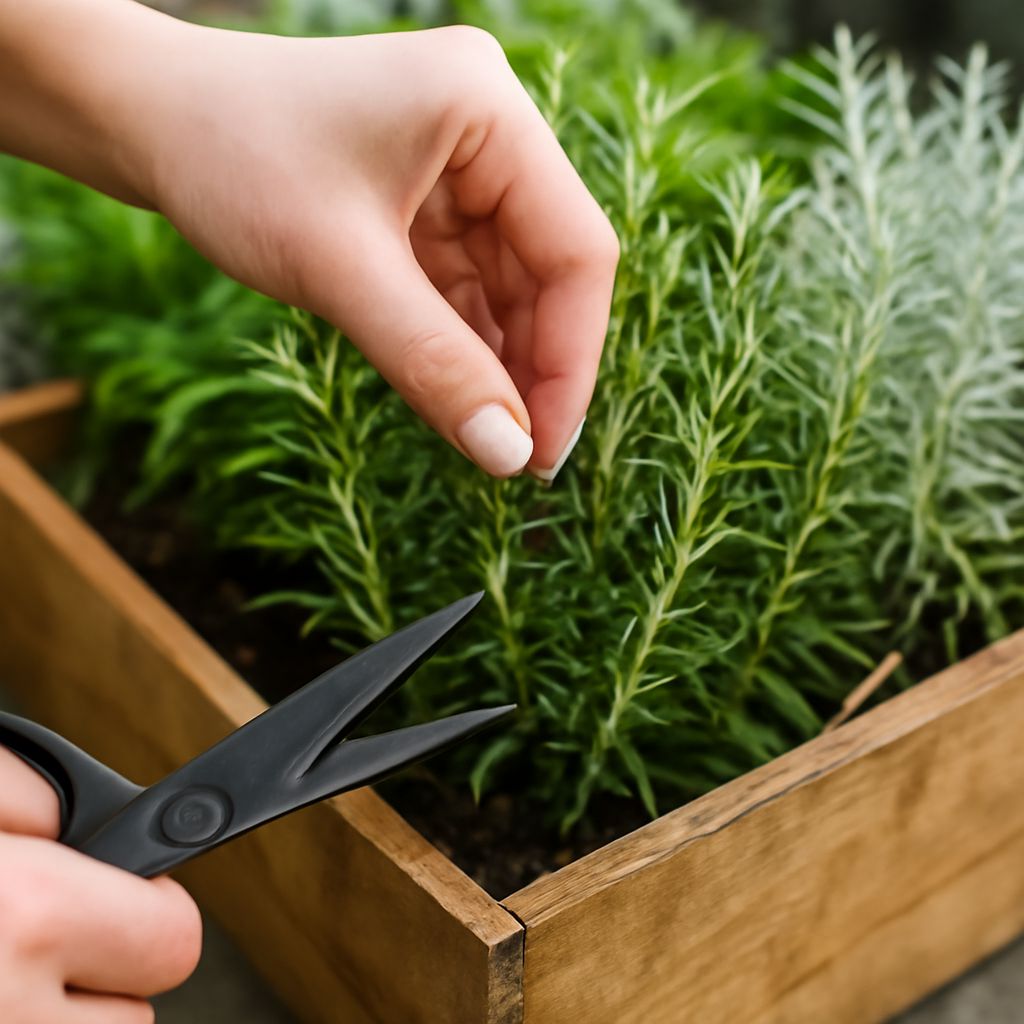
For propagating lavender, cut a shoot about 3 to 5 inches long using clean, sharp scissors or pruners. Make the lower cut just below a leaf joint, also called a node. Take the lavender cuttings when the parent is well watered, and keep them shaded and slightly moist until you are ready to prepare them.
Avoid stripping so much from one branch that the parent is left bare. For more lavender plants, take shoots from different parts of a mature parent. Iowa State University Extension recommends nonflowering side shoots and a well-drained medium for rooting.
Prepare a clean pot and rooting mix
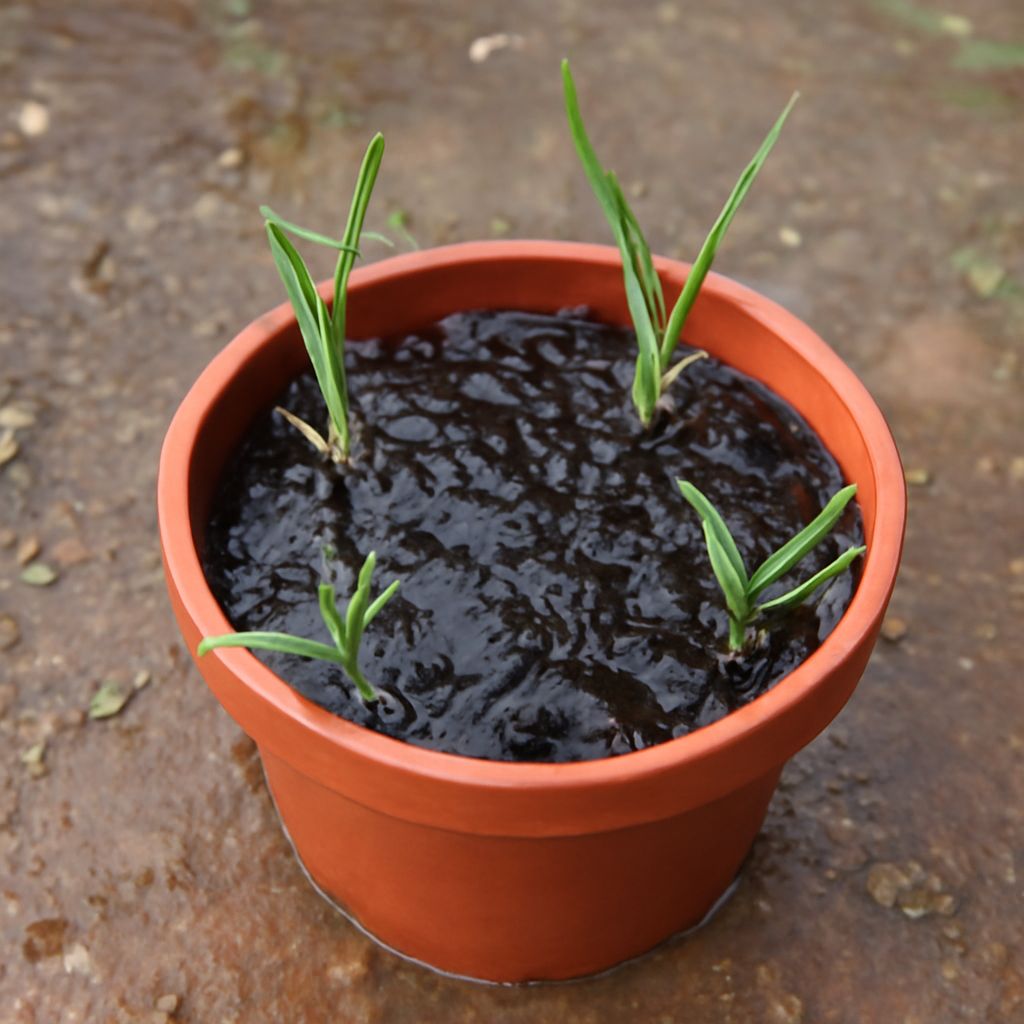
To root lavender stem cuttings, use a small pot or tray with drainage holes. Fill it with a fresh, free-draining propagation mix; a blend of fine, clean growing medium and perlite is one option. Moisten it before inserting the stems. It should feel damp throughout but allow excess water to drain rather than sit in the bottom of the container.
Remove the leaves from the lower half of each shoot, leaving several healthy leaves near the tip. Those lower nodes will sit in the mix; buried foliage can rot. Keep the stem’s bottom end facing down, and make a small hole in the mix with a pencil so the base can be inserted without scraping it.
Rooting hormone is optional. If you use one labeled for this purpose, follow its directions and put a small amount in a separate container rather than dipping stems into the original package. Insert the bare lower portion of each cutting, gently firm the mix around it, and water lightly to settle it. Space stems so the remaining leaves do not crowd together.
Give the stems time to root
To propagate lavender shoots, place the pot in bright, indirect light, sheltered from wind. A clear cover held above the leaves can reduce moisture loss while the stems have no roots. Ventilate it regularly and remove any fallen leaves; if condensation is heavy or foliage stays wet, increase airflow. Keep the mix lightly moist, not saturated.
Lavender propagation takes patience. Roots may form in about four to six weeks, though temperature, stem maturity, and conditions change the timing. University of California guidance gives that range for softwood material. Remove stems that wilt severely or turn black at the base.
Check moisture with a finger rather than watering on a fixed schedule. A covered tray may dry slowly; an uncovered pot in moving air may dry much faster. When growing new lavender from cuttings, the aim is to prevent the stem from drying out while keeping oxygen in the medium around its base.
Check for roots and pot on
After several weeks, give one stem a very gentle tug. Resistance can suggest roots, but do not pull hard enough to tear them. For a clearer check, carefully tip the root ball from its container or look for roots at a drainage hole. New top growth is encouraging, though it is not proof on its own that the root system is ready for transplanting.
When roots hold some mix together, move each rooted lavender cutting into its own small pot of well-drained mix. Support the root ball from below and disturb it as little as possible. Water to settle the mix, then let excess drain. Keep the new plants sheltered while they resume growth.
Propagating lavender from side shoots gives you small plants, not instant shrubs. Let each one develop a stronger root system in its pot before expecting it to cope with an exposed bed. If a cutting still has only a few fine roots, return it gently to the mix and give it more time.
Prepare for the garden
When raising lavender from cuttings, harden the rooted plants gradually over a week or more. Begin outdoors in bright shade sheltered from wind, then increase their exposure to sun and moving air in stages. Bring them back under protection during severe weather. Check the pots each day, since outdoor conditions can dry a small volume of mix quickly.
Choose a sunny site with good drainage and a variety hardy enough for your climate. Plant at the same level as in the pot and water to settle the soil, then monitor moisture as roots spread into the bed. Leave space between plants for their mature width and airflow.
To judge whether lavender stems rooted from cuttings are ready for the move, look for a root ball that holds together, several healthy roots, and firm new growth. If the mix falls away from a sparse root system, keep the plant in its pot longer and continue the gradual adjustment to outdoor conditions.