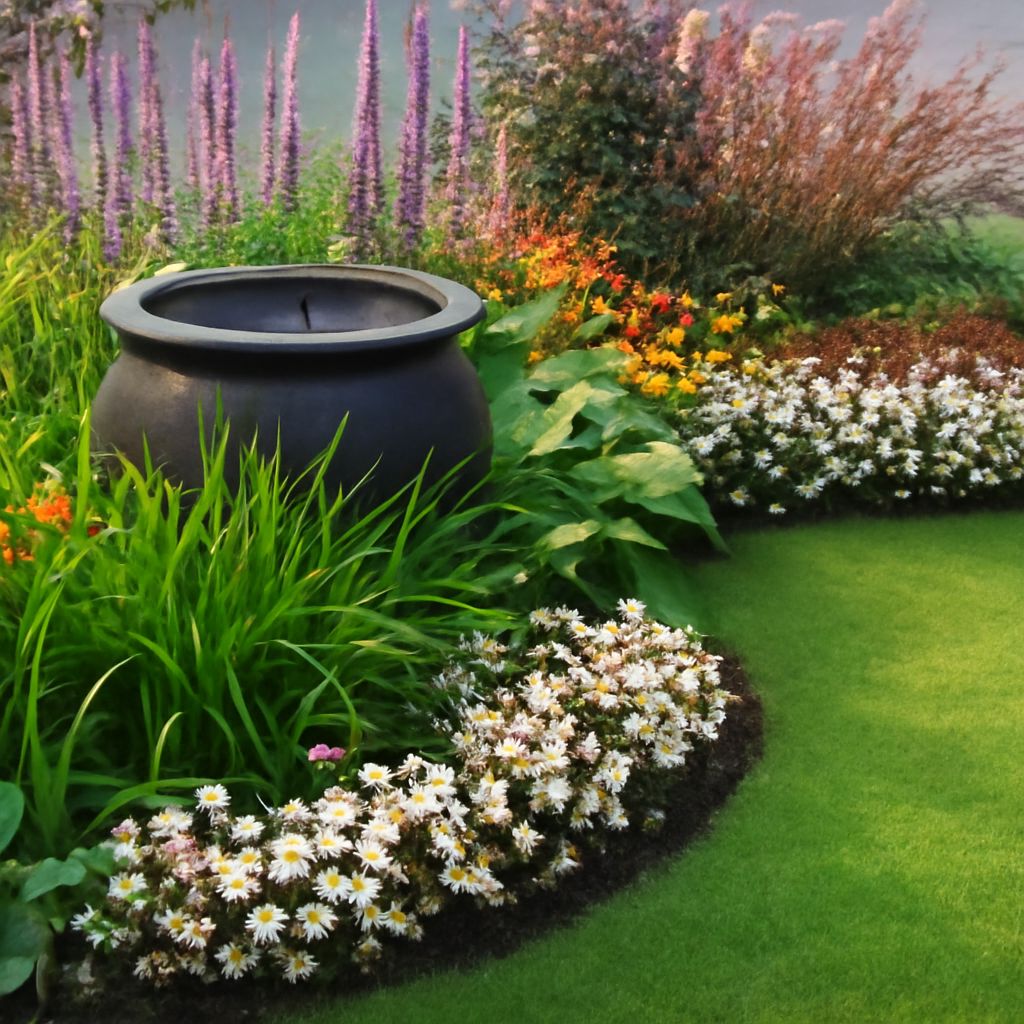
We’ve all heard the myth: perennial gardens are static, old-fashioned, and require endless effort to maintain their beauty. In reality, perennial garden design breathes both creativity and resilience into our landscapes, offering a wellspring of styles and ideas adaptable to every climate and taste. When we plan thoughtfully, the reward is lasting beauty—without the overwhelm.
Perennial garden design isn’t about rigid rules or sterile formality. Instead, it’s a canvas for personal expression, blending artful layout, plant knowledge, and seasonal shifts. Whether we’re starting fresh or refreshing an existing bed, working with perennials unlocks year-round color and texture, inspiring us to try new combinations and embrace nature’s rhythm.
Understanding Perennial Garden Design
At its core, perennial garden design is the practice of arranging long-lived plants so their natural cycles create visual interest through every season. Unlike annuals, which need to be replanted each year, perennials return reliably, filling our beds with enduring color and form. This approach not only saves us time but also lets us develop a garden that evolves and matures gracefully.
We consider the shape, size, and growth habits of each perennial, aiming for a layout where plants complement each other. Layering shorter species in front and taller varieties behind builds depth and lets every plant play a role. Our choices reflect the mood we want: formal symmetry for structure or loose drifts for a relaxed feel. It’s all about finding the right balance for our landscape and lifestyle.
We also think about how our perennial garden design can support pollinators and local wildlife. By choosing nectar-rich flowers and varied bloom times, our gardens become havens for bees, butterflies, and birds. The result is more than beauty—it’s a living, dynamic ecosystem.
Lastly, understanding our site—its sun, soil, and microclimates—guides every decision. A well-designed perennial border considers not just aesthetics but also sustainability, making it easier for us to care for and enjoy our outdoor space year after year.
Choosing the Right Perennials
Selecting plants for our perennial garden design starts with observation. We assess sunlight patterns, soil type, drainage, and exposure to wind. This ensures we choose perennials that thrive, not just survive. By matching plant needs to site conditions, we build a resilient foundation for our design ideas to flourish.
We explore diverse perennial varieties—some loved for their bright blooms, others prized for foliage or texture. Examples include daylilies for dependable color, hostas for shade, and ornamental grasses for movement and structure. Incorporating native plants can boost success and reduce maintenance while supporting local biodiversity.
Carefully timing bloom periods is essential for lasting garden beauty. We combine early spring growers, midsummer stars, and fall-blooming varieties so there’s always something of interest in the garden. This planning ensures our space never feels bare or neglected, even as seasons change.
Above all, we remember that perennial garden design is about intention. Rather than chasing fleeting trends, we select plants that suit our environment and taste. With the right choices, our gardens become richer and more rewarding each year.
Popular Design Styles
Perennial garden design spans a spectrum of styles, allowing us to reflect personal taste and site character. A classic cottage style embraces informal layers, overflowing with color and texture. We use a jumble of old-fashioned favorites—like peonies, phlox, and lavender—in irregular groupings, creating a romantic, abundant look.
For those who prefer structure, a formal perennial border makes a strong impression. We arrange plants in clearly defined lines or geometric patterns, repeating shapes and colors to guide the eye. This style pairs well with clipped hedges or neatly edged beds, offering a sense of order and refinement.
Naturalistic planting, inspired by meadows or prairies, uses drifts of grasses and wildflowers to mimic spontaneous beauty. We blend native species, echoing local landscapes and creating habitats for wildlife. This approach favors loose groupings, soft transitions, and a sense of movement throughout the seasons.
For urban or small spaces, we adapt perennial garden design principles to containers, raised beds, or narrow strips. Using vertical elements—like trellises or obelisks—we add height and maximize impact, making the most of limited square footage while still achieving a lush feel.
Plant Combinations and Color Schemes
Mixing perennials is both science and art. We start by grouping plants with compatible soil and sun needs, ensuring they’ll thrive together. From there, we experiment with color schemes—perhaps soft pastels for a calm retreat, or bold contrasts for drama and energy.
Successful perennial garden design often relies on repetition. By echoing a color or texture throughout the bed, we create unity and flow. For example, we might repeat purple salvia or silver-leafed lamb’s ear at intervals, tying the planting together visually and guiding the eye.
Beyond blooms, we focus on foliage and form. Pairing spiky irises with mounded geraniums or airy ferns with broad-leafed hostas adds interest long after the flowers fade. When we mix heights, shapes, and leaf colors, our gardens remain attractive even between flowering peaks.
We avoid crowding, leaving room for each perennial to reach its mature size. This not only prevents competition but also helps us highlight standout specimens or create focal points, such as a striking delphinium or a bold mass of rudbeckia.
Seasonal Interest and Maintenance
Year-round appeal is a hallmark of smart perennial garden design. We plan for a succession of blooms by overlapping flowering periods and incorporating evergreen or semi-evergreen plants. Early bulbs like crocus start the year, followed by summer mainstays, and later, asters or sedum extend color into autumn.
Foliage and seed heads also play key roles. We let ornamental grasses and dried flower stalks stand through winter, adding texture and feeding birds. This approach not only keeps the garden interesting but also reduces cleanup effort in the colder months.
Low-maintenance care is possible with good initial planning. We mulch to suppress weeds and retain moisture, water deeply but infrequently, and deadhead or cut back as needed to keep beds tidy. Dividing crowded perennials every few years maintains their vigor and prevents overcrowding.
Seasonal tasks become enjoyable rituals, helping us stay connected to our garden’s cycles. By embracing change, we allow the garden to express its full potential, rewarding us with surprises and lessons each year.
Inspiring Ideas for Every Space
Perennial garden design is adaptable to landscapes of all sizes. For a welcoming entryway, we flank paths with low-growing blooms and fragrant herbs, creating an inviting transition from outside to in. In backyard beds, we combine structural shrubs with waves of perennials for depth and year-round structure.
Small urban gardens benefit from vertical plantings—climbing clematis, tall foxgloves, or trellised vines add drama and conserve ground space. In shady corners, we build soothing green tapestries with hostas, ferns, and spring ephemerals, transforming overlooked areas into highlights.
We experiment with themed borders, such as pollinator gardens packed with bee balm, coneflower, and milkweed, or monochrome beds where a single color—like white or blue—unifies diverse forms. These ideas personalize our perennial garden design, making every space unique.
By revisiting our planting plans each season, we spot new opportunities for improvement and inspiration. Our gardens become living works of art—rooted, resilient, and ever-changing, reflecting our care and creativity in every bloom and leaf.