A small nursery plant may fit easily on a shelf; a mature tree-type plant can need a wide place on the floor. If your tag says Hope philodendron, make room for the leaves to spread and begin caring for the tree-type philodendron by checking its light and the moisture around its roots.
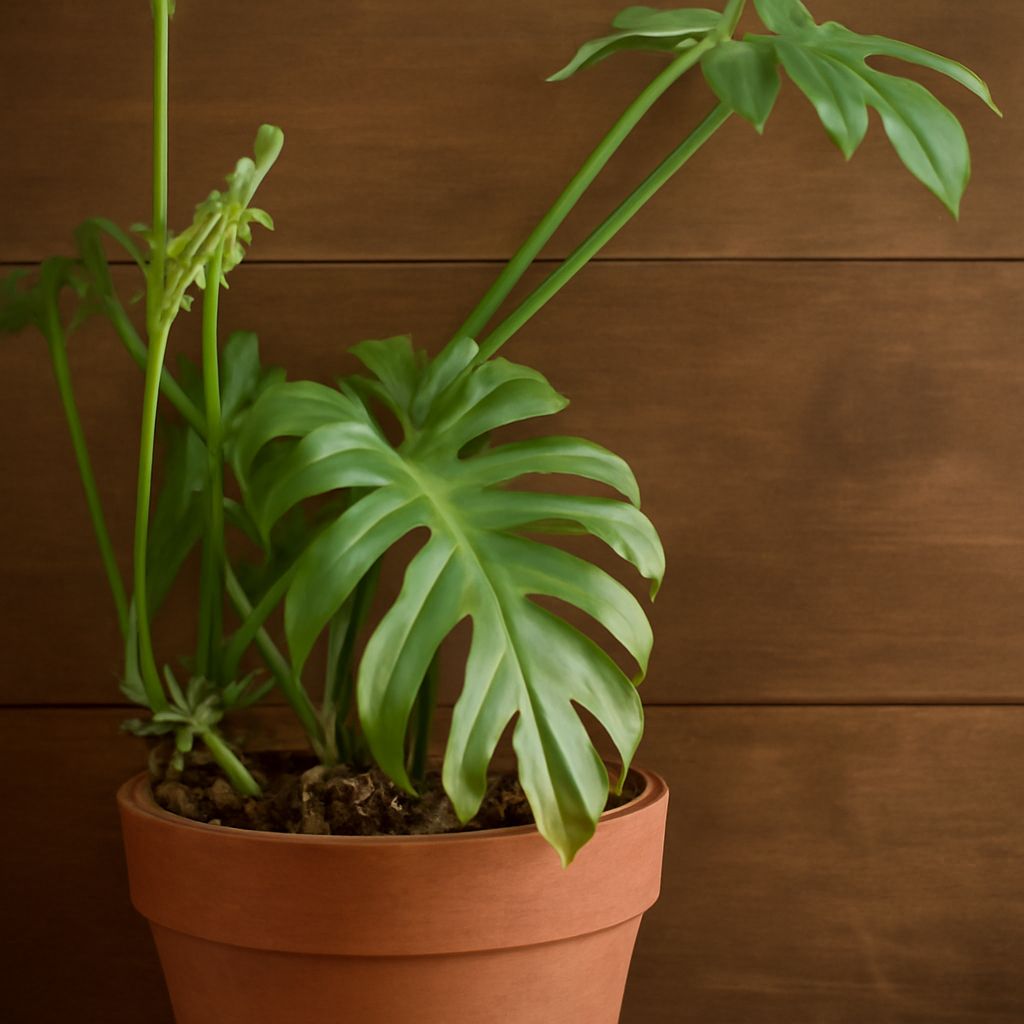
These plants are grown for their deeply divided foliage and upright, spreading shape. They do not need a climbing pole to make a handsome indoor specimen, but they do need a pot that drains and enough light to support new leaves.
Philodendron selloum care begins with the name
The names on plant tags can be confusing. Iowa State University Extension describes the tree philodendron as Philodendron bipinnatifidum, also known as Thaumatophyllum bipinnatifidum. Botanical sources differ on which genus name they currently accept, so more than one scientific name can appear in reliable references. The names on your pot may reflect an older label or a different classification.
A selloum philodendron is commonly a broad, self-supporting plant with large, deeply lobed leaves on long stalks. University of Florida Extension lists ‘Hope’ as a cultivar associated with this tree-type plant. A tag reading philodendron Hope may identify that selection, but labels alone do not establish its precise mature size. Ask the grower for the full name and expected dimensions if you need a plant for a restricted space.
The species can become very large outdoors in a suitable climate. Indoors, growth is constrained by the pot and room, but the leaf stalks can still occupy several feet across. Measure the space around the pot, not just its footprint. Leave a passage for watering and room for fresh leaves to unfold without rubbing a wall.
Find bright, indirect light
Put a philodendron named Hope near a bright window with filtered light. A sheer curtain can soften strong midday sun; a position slightly back from the glass may work as well. Avoid placing the leaves against a cold window or in the path of heating and air-conditioning vents.
A little gentle morning light may be suitable, but sudden exposure to intense afternoon sun can scorch foliage. Brown, pale, or bleached patches on the side facing the window are a reason to move the plant back or add a curtain. Introduce a brighter position gradually if it has been growing in a dim room.
If the Hope plant stretches toward a window and new leaves emerge smaller, move it closer to bright indirect light and watch subsequent growth. Rotate the pot occasionally for a more even shape. Existing damaged leaves will not turn green again, so use the condition of new foliage to judge the change.
Water by the soil, not the calendar
For philodendron selloum care, let the upper inch or two of mix dry before watering again. Check with a finger in more than one spot; the surface can look dry while the soil underneath remains wet. Then water slowly until excess runs through the drainage holes and empty the saucer. A large pot may take longer to dry than a small one, especially in winter.
Yellow leaves can have several causes. If several turn yellow while the mix stays wet and the pot is heavy, reduce watering and check that the drainage holes are clear. Soft, dark roots or a sour smell call for a closer inspection: trim rotten roots with clean tools and repot in fresh mix if needed. If soil is dry throughout and the plant droops, water thoroughly and allow it to drain.
A Hope-type philodendron benefits from consistent care, but it should not stand in water. Feel the mix before adding more, particularly after moving it to a darker or cooler room where water use may slow. Occasional loss of an older lower leaf is less concerning than a succession of yellowing leaves accompanied by wet soil.
Choose a stable pot and loose mix
Use a container with drainage holes and a saucer you can empty. A loose houseplant mix with ingredients such as bark and perlite allows air around the roots while holding some moisture. A heavy outer pot or a broad-based planter can help balance the spreading foliage; make sure the inner pot can still drain freely.
Repot when roots are crowded and circle the pot, or when the mix dries unusually quickly despite thorough watering. Choose a pot roughly 1 to 2 inches wider, rather than moving a small root ball into a much larger container that stays wet. Set the plant at its previous depth, fill around the roots, and water to settle the mix. Spring or early summer gives it an active growing period in which to adjust.
Feed lightly during active growth with a balanced houseplant fertilizer according to the label. Reduce feeding when growth slows. Wipe dust from the broad leaves with a damp cloth so they can receive light, and remove dead leaves with clean pruners. Sap can irritate skin, and these plants are toxic if chewed; place them out of reach of children and pets.
As the Hope variety of philodendron grows, give each leaf room to open and check the pot’s balance. If several leaves yellow and the soil stays wet, check drainage and let the mix dry appropriately before watering again. If new growth stretches and remains small in a dim corner, move the plant gradually toward brighter indirect light.