When we think of designing a garden, many of us picture sprawling landscapes and intricate flower beds that only a professional could create. However, the truth is far from that myth. The perfect garden design doesn’t require expert skills or endless resources. In fact, with the right guidance, anyone can transform their outdoor space into a personal oasis. In this garden guide, we’ll explore the essential steps to creating your dream garden, covering everything from layout planning to sustainable practices. Let’s debunk the notion that garden design is out of reach and dive into the art of crafting your perfect outdoor escape.
Introduction to Garden Design
Creating a beautiful and functional garden starts with a clear vision. Consider what you want from your space—whether it’s a serene spot for relaxation, a lively area for entertaining, or a mix of both. Understanding your goals will guide every decision you make. Our garden guide will help you navigate through planning, plant selection, and more.
Planning Your Garden Layout
The first step in garden design is mapping out the layout. Start by assessing the size and shape of your outdoor area. Consider the sunlight, wind patterns, and natural features. Sketch a basic plan to visualize the placement of plants, paths, and focal points. A thoughtful layout ensures a balanced and harmonious space.
In our experience, creating zones within your garden can enhance its functionality. Designate areas for dining, lounging, and planting. By organizing your space, you can make the most of what you have, even in small gardens.
Choosing the Right Plants
Selecting plants is a crucial part of any garden guide. Begin by researching plants that thrive in your climate and soil type. Native plants are often the best choice, as they require less maintenance and support local ecosystems. Consider the colors, textures, and heights when mixing different species to create visual interest.
It’s also wise to think about the seasons. Choose a variety of plants that bloom at different times to ensure your garden is vibrant year-round. Remember to factor in the needs of each plant, such as water and light requirements.
Incorporating Hardscape Elements
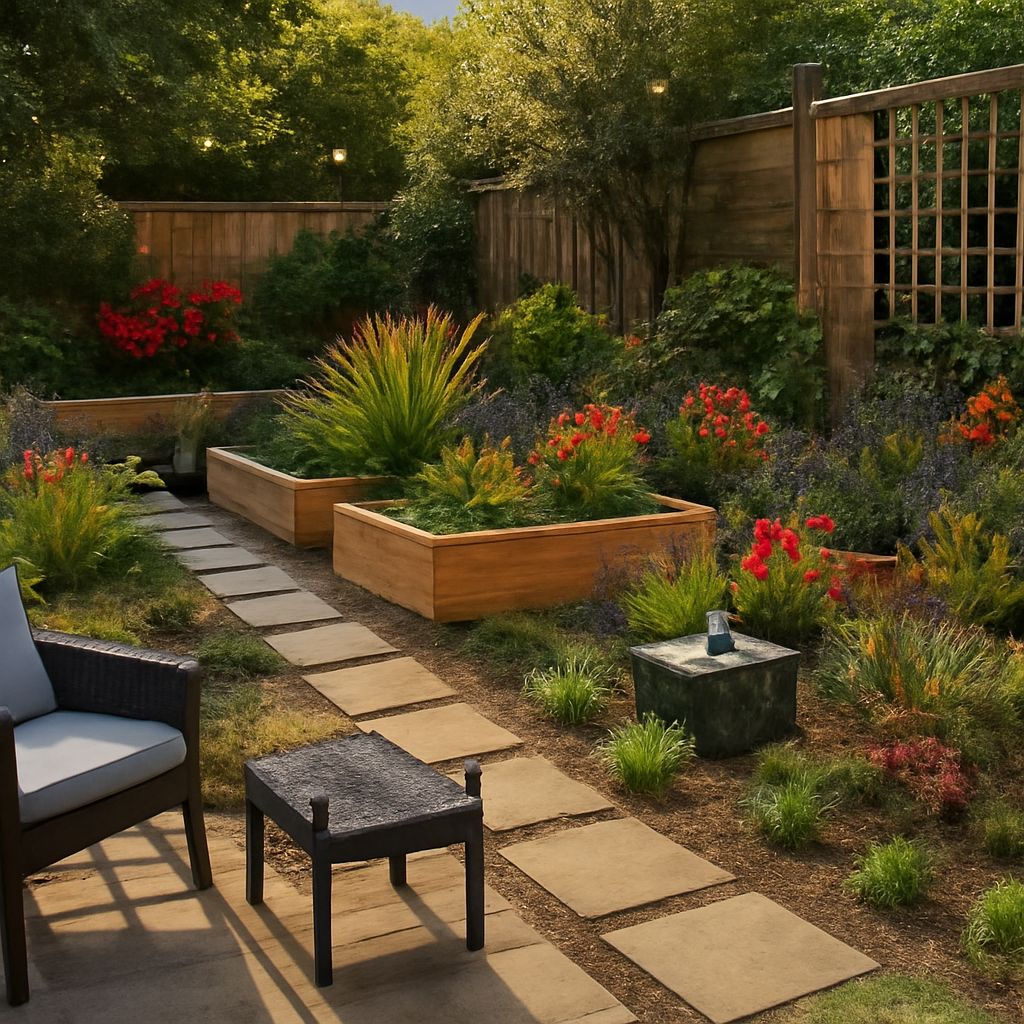
Hardscape elements like patios, pathways, and walls add structure and practicality to your garden. When choosing materials, think about durability and aesthetics. Stone, wood, and gravel are popular choices that blend well with natural surroundings.
Our garden guide highlights the importance of balance. Too much hardscape can make a garden feel cold; too little can make it lack definition. Aim for a harmonious mix that complements your plant selections.
Sustainable Gardening Practices
Adopting sustainable practices is not only good for the environment but also enhances the health of your garden. Start by composting kitchen scraps and garden waste to enrich the soil naturally. Implement water-saving techniques like drip irrigation and rainwater collection.
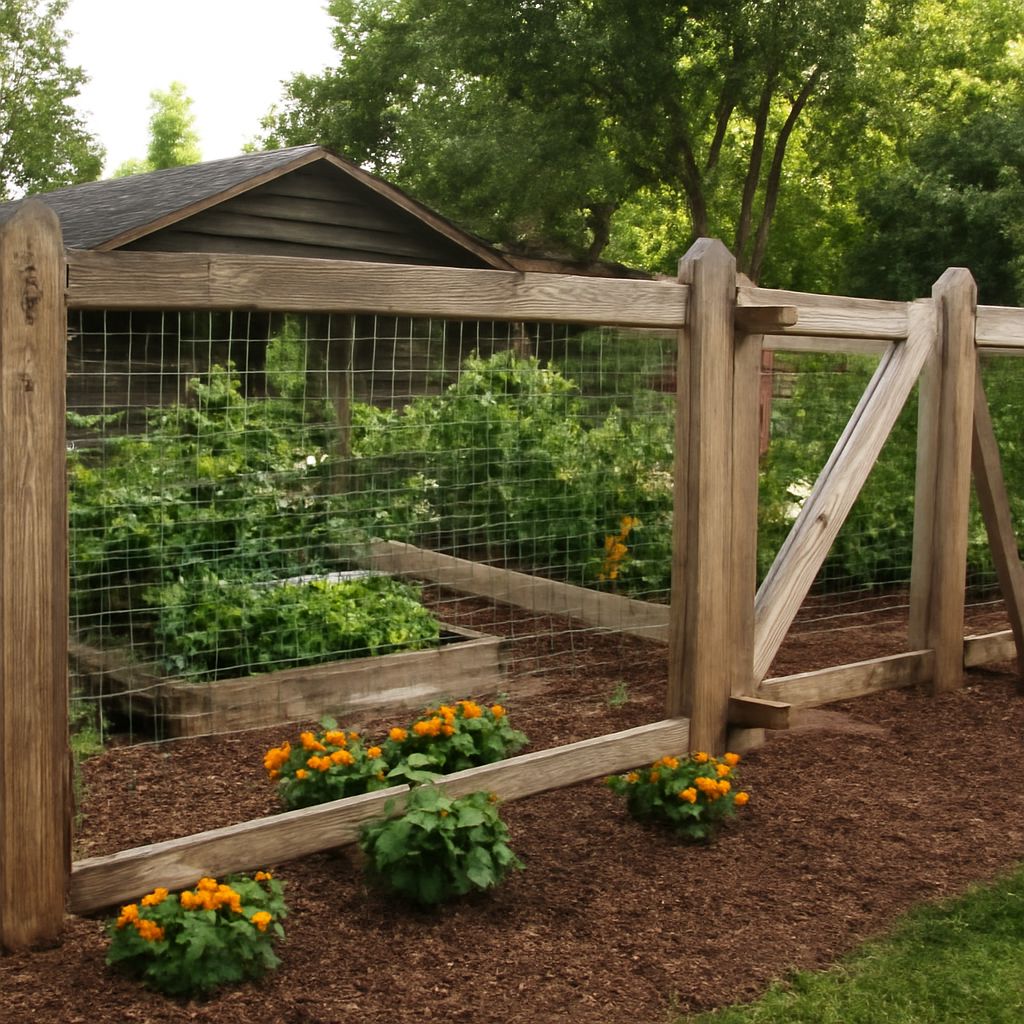
We also recommend using organic fertilizers and pest control methods to maintain a healthy ecosystem. By reducing chemical use, your garden will be safer for both people and wildlife.
Maintaining Your Garden
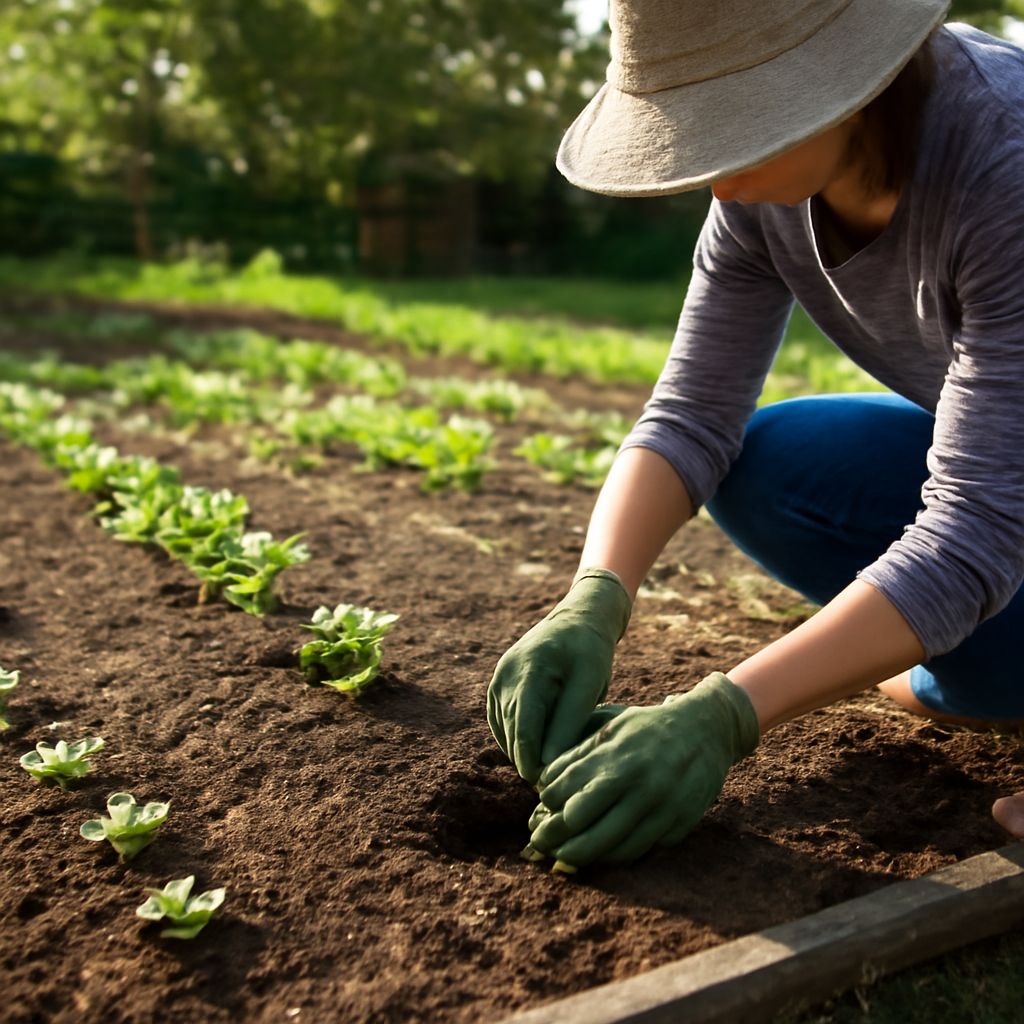
Regular maintenance is key to a thriving garden. Set aside time each week for tasks like weeding, pruning, and watering. Seasonal chores, such as mulching in the spring or protecting plants in the winter, will keep your garden looking its best.
Our garden guide emphasizes the importance of observation. Pay attention to how your plants grow and respond to changes in weather. Early detection of issues can prevent problems from escalating. With consistent care, your outdoor space will flourish year after year.