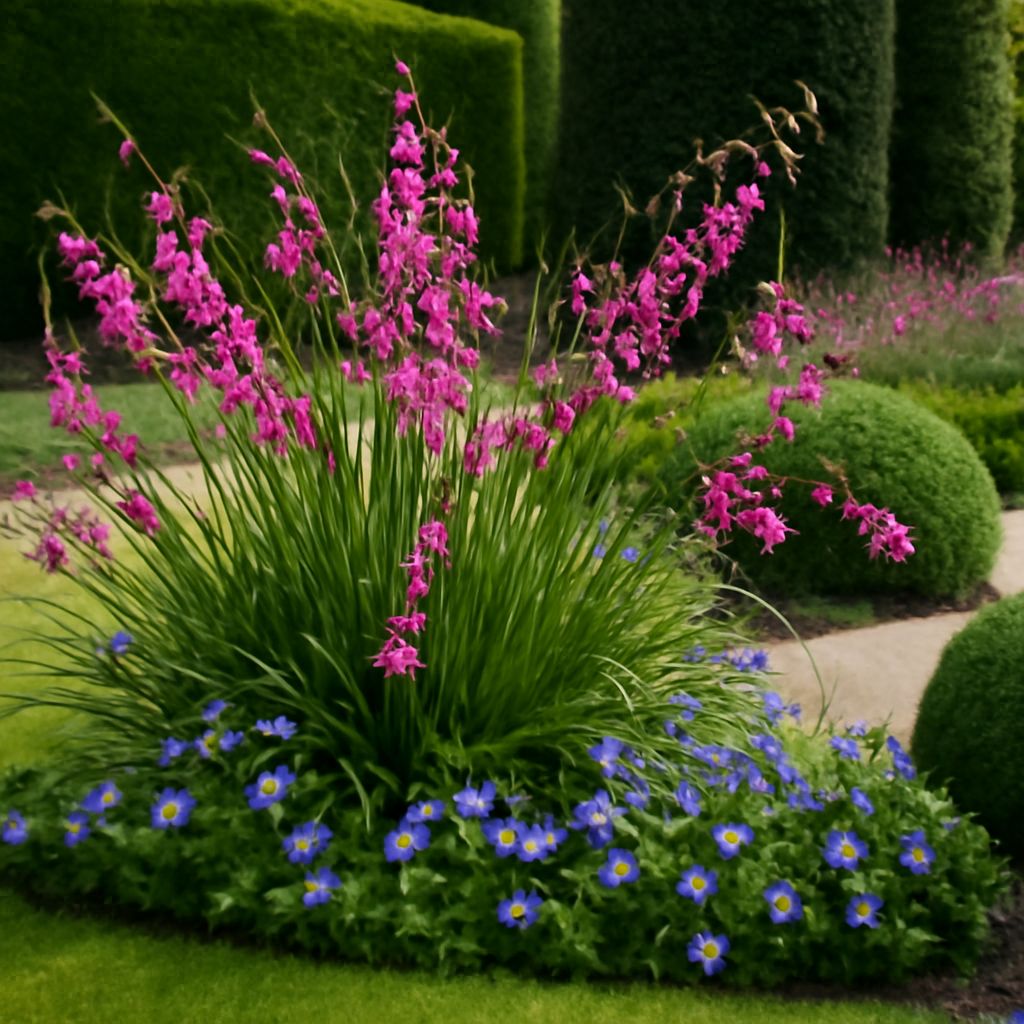
Winter cold is only the first measure of a planting spot. A sunny bed that dries quickly calls for different plants than a partly shaded border with moist soil. The best flowering perennials for Zone 5 fit both the cold and the ground where their roots will live.
Start with plants hardy in Zone 5, then watch the hours of direct sun and feel the soil after rain. A place that stays damp for days deserves a different choice from a slope where water drains away. Those observations narrow the field before you bring a pot home. Zone 5 perennial plants need room for roots as well as flowers, so look at the mature spread on each tag.
Perennials Zone 5: Read the Site First
USDA Zone 5 describes a range of average annual extreme minimum temperatures, from −20°F to −10°F. Zone 5 perennial flowers still need the right light and drainage through the growing season. Check your local zone and the tag on the particular plant you buy; varieties of a species may carry different hardiness ratings.
When choosing perennial flowers Zone 5 gardeners can begin by counting direct sunlight on a clear day. Full sun generally means at least six hours; partial shade is roughly two to six. Check again when nearby trees have leafed out.
For perennials Zone 5 winter conditions are only one concern: soil that remains saturated can damage roots. Dig a small hole and examine the soil after rain. If water lingers or the ground stays sticky, select a plant suited to moisture and improve the bed with organic matter where appropriate. A raised planting area can help drainage, provided excess water has somewhere to go.
Spring: Columbine for Filtered Light
Eastern columbine (Aquilegia canadensis) brings nodding red and yellow flowers in spring. Its spurs and fine, lobed leaves suit a woodland edge or a border with some shade. North Carolina State Extension lists it for Zones 3 through 8 and recommends partial shade with moist, organically rich soil that drains well.
Give it a place where spring flowers can be seen up close, with room for neighboring foliage to fill in later. It tolerates more sun when moisture is adequate. The plant can self-seed; leave some seed pods if you want young plants, or remove them to keep the patch more contained. Seedlings generally flower in their second year. Among flowers that return in Zone 5, columbine is a useful choice for the partly shaded edge of a bed.
Summer: Purple Coneflower in a Sunny Bed
Purple coneflower (Echinacea purpurea) carries pink-purple rays around a raised, dark center. It grows roughly three to four feet tall and flowers in summer. For a sunny border, this is one of the perennial blooms for Zone 5 that can give height without needing a shrub. NC State Extension places the species in Zones 3 through 8 and describes its preference for moist, well-drained loam.
Water a new plant as it establishes; established plants tolerate periods of dryness. Allow air around each clump and consider its mature height near a path. Its seed heads can remain into fall for birds and visual texture. Cold-hardy flowering perennials like this one give a sunny bed structure after their petals fade.
Late Summer and Fall: Two Different Soils
New England aster (Symphyotrichum novae-angliae) extends the season with purple flowers and yellow centers. Choose it for full sun and moist, fertile soil with good drainage. It can reach three to six feet tall, so place it toward the back of a border or give it room in a meadow-style planting. The Extension plant profile lists Zones 4 through 8 and late-summer-to-fall bloom. Pinching stems in spring can make the plant bushier and delay flowering; taller stems may need support.
Showy stonecrop (Hylotelephium spectabile) offers another late-season option for a brighter, drier spot. Its fleshy leaves form a low mound, followed by flat clusters of pink flowers in late summer and fall. NC State Extension lists the species for Zones 4 through 9 and recommends well-drained or gravelly soil of average to low fertility. Full sun helps keep its growth sturdy. Give this plant the open, quick-draining ground that suits its roots. Hardy perennials in Zone 5 benefit from a planting site chosen for their particular moisture needs.
Bring the Choices Together
When choosing perennial flowers Zone 5 gardeners can plan for succession rather than expecting every plant to bloom at once. Columbine starts the display in spring, coneflower carries it into summer, and aster or stonecrop takes the later weeks. Flowering dates shift with local weather, so use the seasons as a sequence rather than a calendar appointment.
Set out flowering plants hardy to Zone 5 in groups that match each part of the yard. Put columbine where shade and moisture meet; reserve a sunny, well-drained patch for coneflower. Choose aster where the soil holds some moisture, or stonecrop where it dries more readily. Leave space for the mature sizes on the tags, and water newly planted roots while they settle in. Perennial plants for Zone 5 can then grow together without crowding their neighbors.
A thin layer of mulch helps moderate soil moisture and suppress weeds. Keep it away from crowns so air can reach the base of each plant. Check the soil beneath the mulch and adjust watering to the weather. In later seasons, flowering perennials suited to Zone 5 will show you where they thrive: note their spread, bloom timing, and any bare spaces, then use those observations to refine the bed.