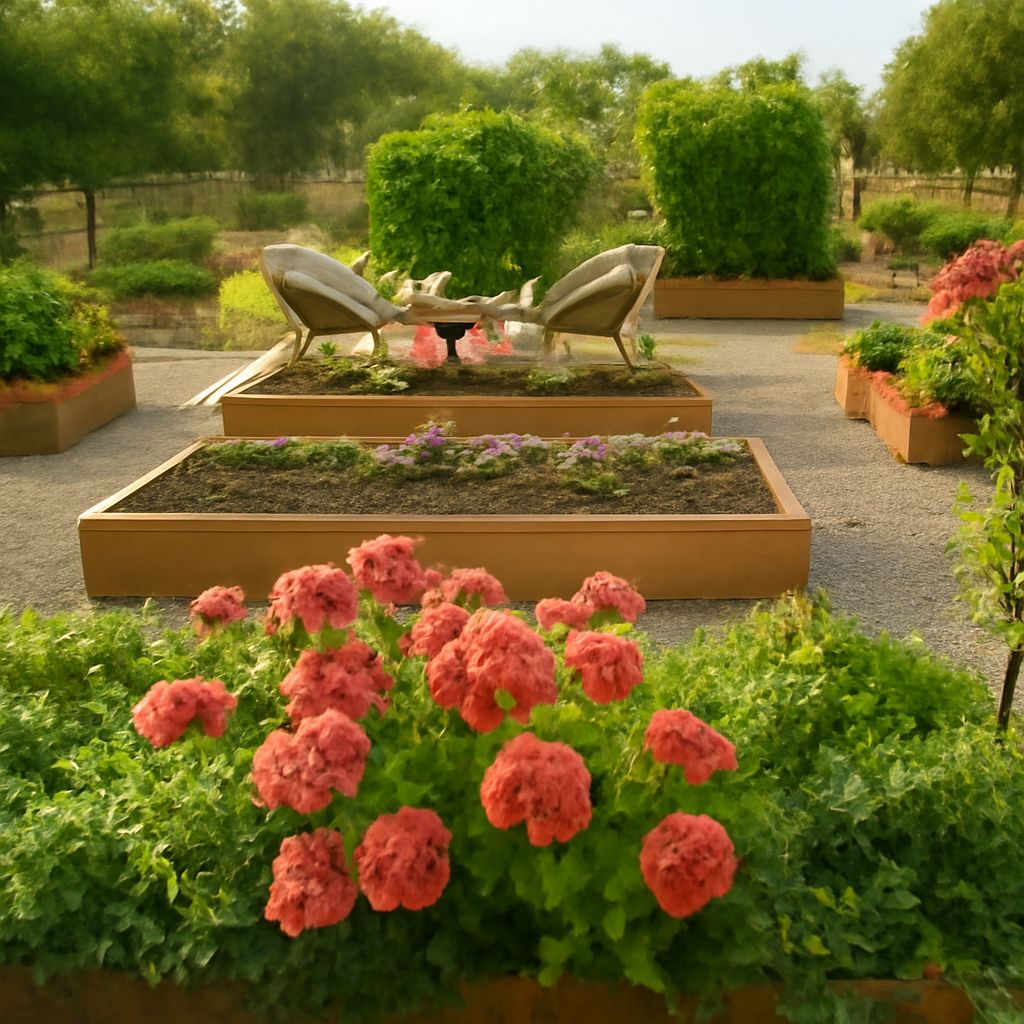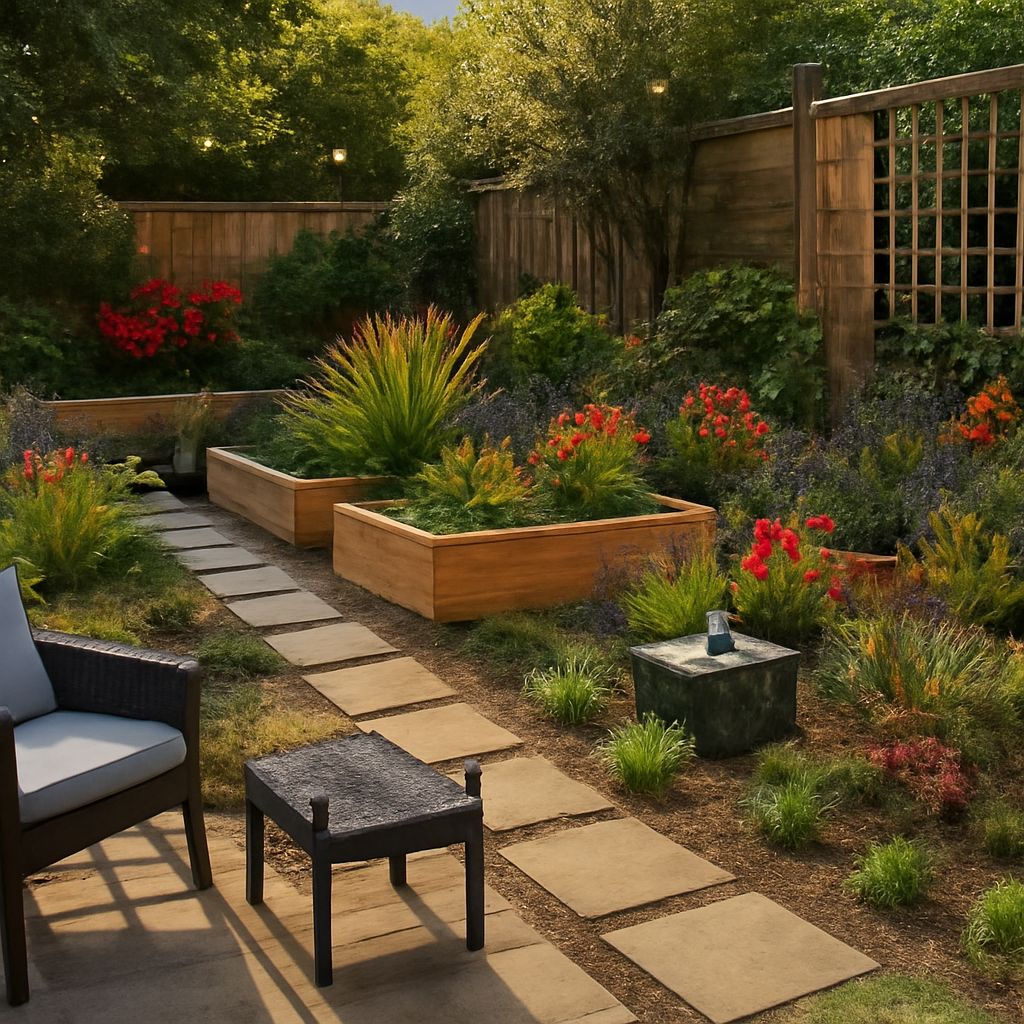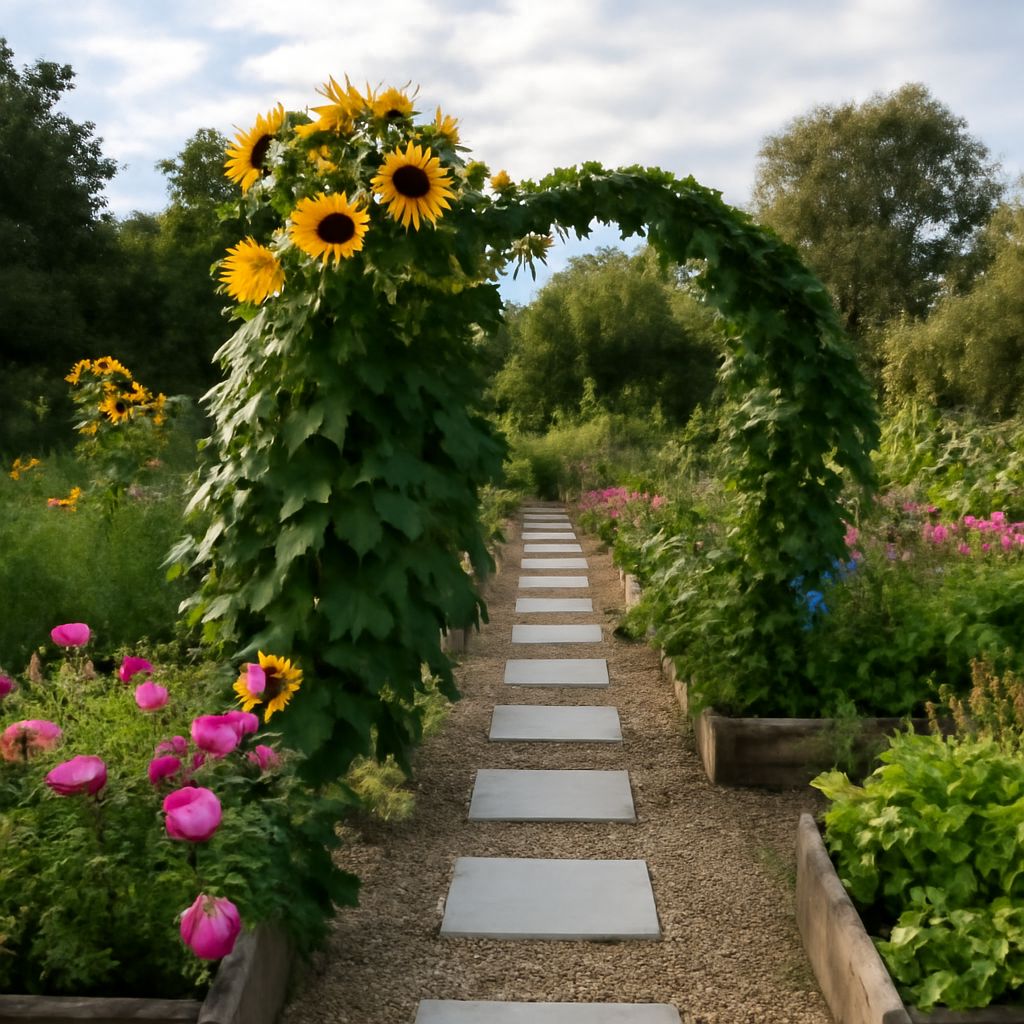
Gardening has long been associated with tranquility and beauty, but there’s more to it than placing a few plants in the ground and hoping for the best. Many of us hold onto the myth that common garden plants are dull or lack character. This misconception might lead us to overlook the vast possibilities these plants offer for creating stunning garden designs. In reality, with thoughtful selection and arrangement, common garden plants can transform any outdoor space into a vibrant oasis.
Let’s debunk another gardening myth: that only exotic and rare plants can make a garden stand out. This belief often overshadows the potential of everyday flora. The truth is, mastering the art of designing with common garden plants can result in a breathtaking landscape that’s both sustainable and appealing.
Introduction to Common Garden Plants
Common garden plants are the backbone of any garden design. They provide structure, color, and texture, serving as a reliable foundation upon which to build. From the dependable marigold to the versatile hosta, these plants thrive in a variety of conditions. Understanding their characteristics allows us to use them more effectively in garden design.
Moreover, these plants are often more robust and easier to care for, making them ideal for gardeners of all experience levels. By choosing plants that are well-suited to our specific climate and soil, we ensure a flourishing garden filled with common garden plants that look anything but ordinary.
Design Principles for Garden Plants
When designing with common garden plants, it’s essential to consider balance, harmony, and contrast. These principles guide us in creating a cohesive and visually appealing garden. Balance involves distributing plants evenly according to their size, shape, and color, while harmony is about ensuring the elements of the garden work well together.
Contrast is another critical element, providing visual interest and preventing monotony. By pairing tall, spiky plants with low, round ones, or mixing bright colors with subdued tones, we can create a dynamic design that draws the eye and captures attention.
Selecting the Right Plants
Choosing the right common garden plants involves considering several factors, such as climate, soil type, and sunlight. This ensures that the plants thrive without excessive maintenance. For instance, sun-loving species like lavender and rosemary are perfect for well-lit areas, while ferns and hostas prefer shady spots.
Additionally, it’s important to think about the plant’s growth habits and mature size. This helps prevent overcrowding and ensures each plant has enough space to develop fully. By selecting a mix of perennials, annuals, and shrubs, we can ensure year-round interest in the garden.
Arranging Plants for Visual Appeal
Arrangement is key when it comes to the aesthetic impact of common garden plants. Grouping plants with similar colors or textures can create a seamless, unified look. Alternatively, we can create focal points by placing bold, standout plants against a backdrop of simpler foliage.
Layering is another effective strategy, involving the planting of tall plants at the back, medium-sized ones in the middle, and short plants at the front. This tiered approach not only maximizes visibility but also adds depth and dimension to the garden.
Maintenance Tips for a Thriving Garden
Maintaining a garden full of common garden plants requires regular care. This includes watering, mulching, and occasional pruning. Watering should be done deeply but infrequently to encourage deep root growth, while mulching helps retain moisture and suppress weeds.
Pruning is essential for removing dead or diseased branches and encouraging new growth. By paying attention to each plant’s specific needs, we can keep our garden healthy and vibrant throughout the seasons.
Conclusion: Bringing It All Together
In summary, dismissing common garden plants as ordinary overlooks their potential to create extraordinary garden designs. By applying thoughtful design principles, selecting the right mix of plants, and arranging them with care, we can craft a garden that is both beautiful and sustainable.
Whether you are a seasoned gardener or just starting, embracing the versatility and charm of common garden plants can lead to a rewarding and fulfilling gardening experience. Let’s celebrate the beauty that these plants bring into our lives and transform our outdoor spaces into lush, inviting sanctuaries.