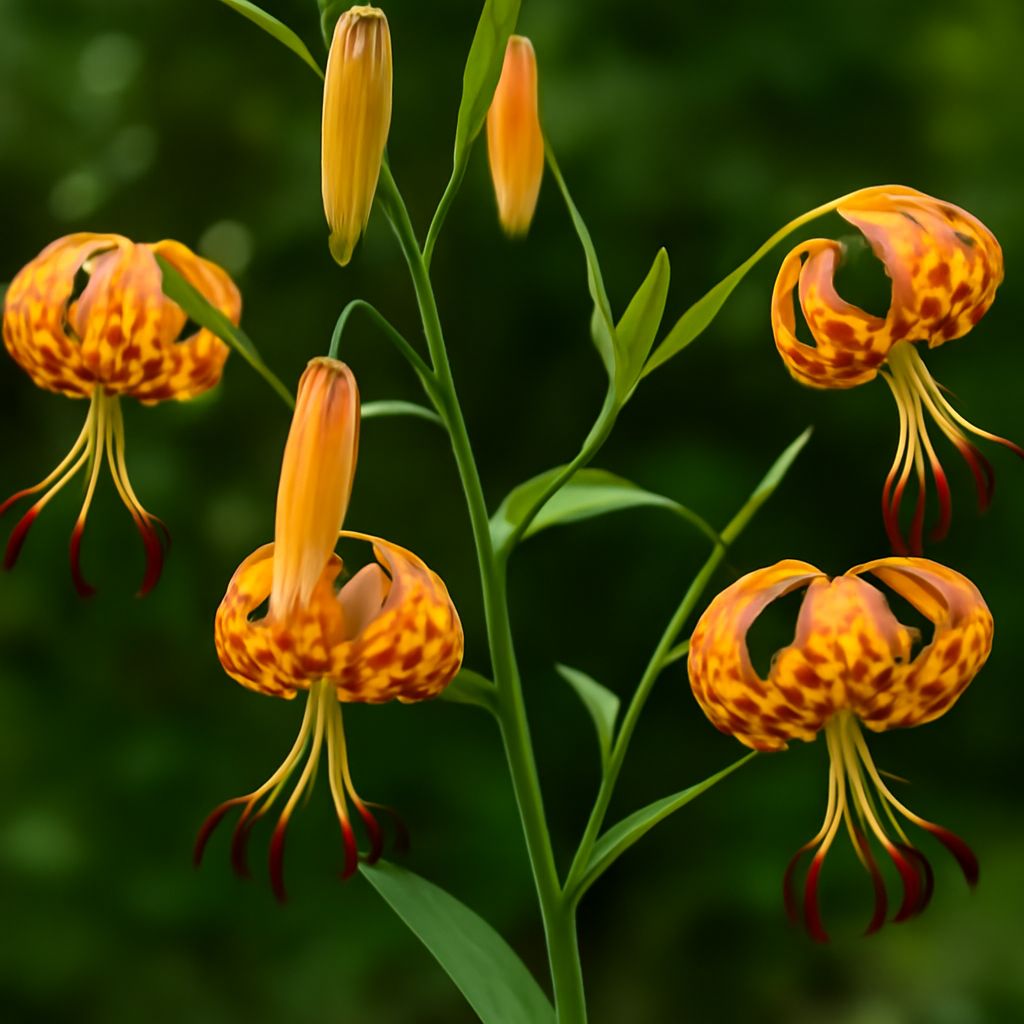
When it comes to urban green spaces, the Eloise Butler Wildflower Garden often faces misconceptions as just another park. Unlike typical city gardens, this oasis showcases intricate planning and natural harmony rarely found elsewhere. As design enthusiasts, we are drawn to its unique blend of artistry and biodiversity, challenging the notion that nature and design can’t coexist. By delving into its historical significance, we can better appreciate the garden’s strategic layout and understand why its design elements continue to captivate visitors.
Introduction to Eloise Butler Wildflower Garden
The Eloise Butler Wildflower Garden, located in Minneapolis, is not just a feast for the eyes but also a testament to thoughtful environmental planning. This garden spans over 15 acres of preserved natural beauty, offering a serene escape for nature lovers and design aficionados alike. As the oldest public wildflower garden in the U.S., it serves as a living museum, showcasing over 500 plant species in their natural habitats.
Historical Background
Established in 1907, the garden owes its name and existence to Eloise Butler, a pioneering botanist who advocated for its creation. Her vision was simple yet profound: a refuge for native plants and wildlife amid urban expansion. Over the years, this sanctuary has evolved through the dedication of passionate individuals who believed in preserving Butler’s legacy. The garden’s development reflects a commitment to conservation, underscoring the importance of maintaining biodiversity in urban settings.
Design Elements of the Garden
The design of the Eloise Butler Wildflower Garden is a marvel in itself. As we explore its pathways, we encounter distinct zones, each carefully curated to represent different ecosystems. These include woodland, wetland, and prairie sections. The transition between these areas is seamless, guided by natural contours and strategic plant placements.
Beyond its ecological planning, the garden incorporates aesthetic elements that enhance its allure. Rustic stone benches invite contemplation, while strategically placed informative plaques educate visitors. This thoughtful integration of design and nature creates an experience that is both educational and visually appealing. We are continually reminded of how intentional design can elevate a natural landscape to new heights.
Popular Events at the Garden
The Eloise Butler Wildflower Garden hosts numerous events that celebrate its rich biodiversity and design. Seasonal tours offer insights into the garden’s changing landscapes, while workshops on native plant gardening provide practical knowledge for enthusiasts. Art enthusiasts can participate in sketching sessions, capturing the garden’s beauty through their lenses.
One of the garden’s most anticipated events is the annual wildflower walk, which attracts visitors eager to witness the bloom cycles of native species. These community-driven events highlight the garden’s role as both an educational resource and a cultural hub, bringing together people with shared interests in nature and design.
Visiting Tips and Recommendations
To fully appreciate the Eloise Butler Wildflower Garden, we recommend visiting during different seasons. Each visit offers a unique perspective, as the flora transform with the changing weather. Spring reveals vibrant blooms, while autumn showcases a tapestry of warm hues. For the best experience, we suggest wearing comfortable footwear and bringing a camera to capture the garden’s stunning vistas.
Guided tours can enhance your visit, offering expert insights into the garden’s design and plant species. Don’t forget to stop by the visitor center to learn more about ongoing conservation efforts and upcoming events. Whether you’re a seasoned botanist or a casual observer, the Eloise Butler Wildflower Garden promises a memorable outing.
Conclusion
The Eloise Butler Wildflower Garden stands as a remarkable example of how design and nature can harmonize to create a space that is both functional and beautiful. Its thoughtful layout and dedication to conservation highlight the importance of preserving natural habitats within urban environments. As we explore this garden, we gain a deeper appreciation for the role design plays in enhancing our connection to the natural world. Visiting this garden is not just about observing; it’s about experiencing the profound impact of intentional design in an ever-evolving natural landscape.