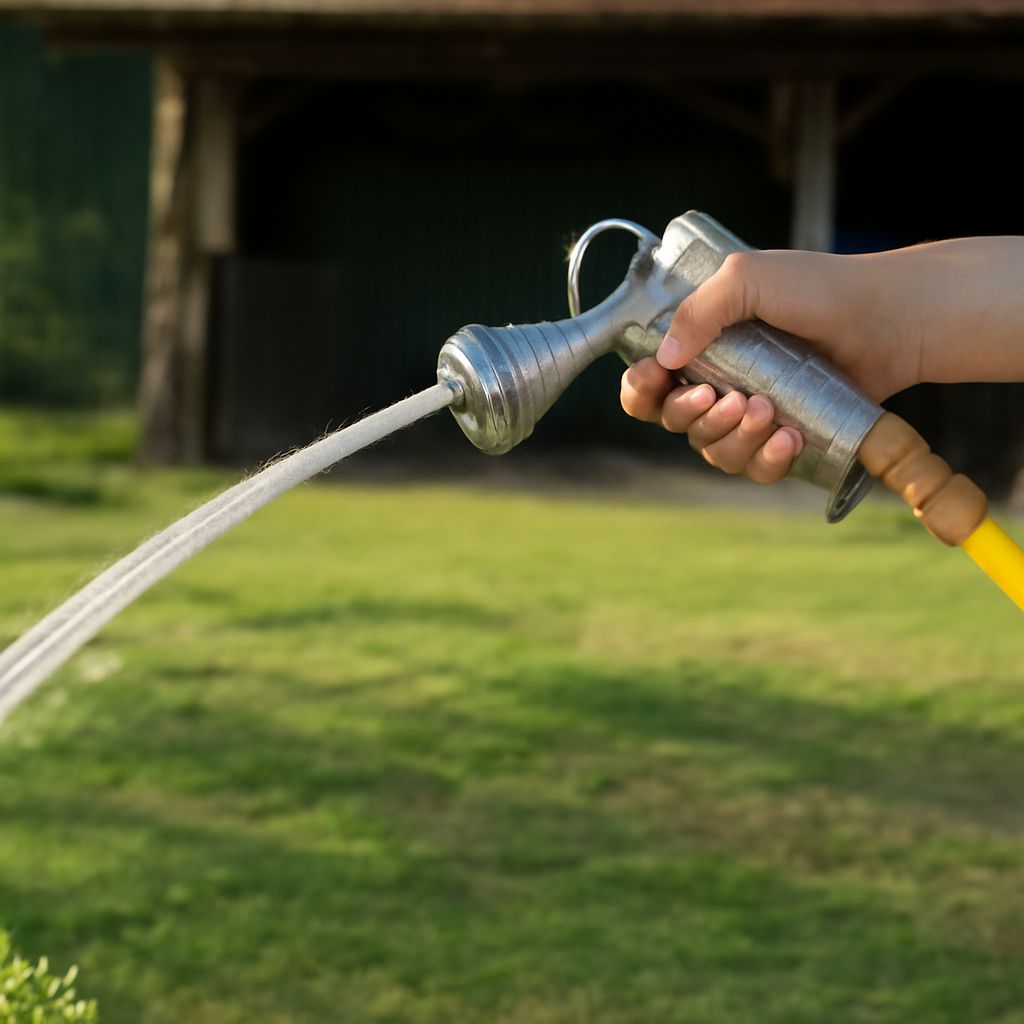
When it comes to garden maintenance, many of us assume that all garden nozzles are created equal. However, this couldn’t be further from the truth. Different nozzles have unique features that cater to specific gardening needs. Moreover, neglecting proper maintenance can lead to reduced efficiency and a shorter lifespan. Our goal here is to demystify the world of garden nozzles and provide you with essential garden nozzle maintenance tips and tricks that will keep your equipment running smoothly.
Did you know that hoses & fittings are pivotal in ensuring your garden nozzle performs at its best? Often overlooked, these components are critical to maintaining water flow and pressure. Without proper care, you might find your nozzle less reliable over time. Let’s dive into how you can maximize the longevity and functionality of your garden tools.
Understanding Garden Nozzles
Garden nozzles come in various shapes and sizes, each designed for different tasks. Whether it’s a jet spray for stubborn dirt or a gentle mist for delicate plants, understanding your garden nozzle’s features is key. Knowing the different types empowers us to choose the best tool for our specific gardening needs.
We must also pay attention to the materials used in nozzles. Metal nozzles, while more durable, may require more care to prevent rust. Plastic nozzles, on the other hand, are lightweight but can be prone to cracking. Understanding these distinctions helps us perform proper garden nozzle maintenance.
Common Issues and Solutions
Clogging is a frequent issue with garden nozzles. Small debris can easily block water flow, leading to inconsistent pressure. Regularly checking and cleaning the nozzle can prevent this problem. In cases where the nozzle leaks, ensure that hoses & fittings are properly connected and in good condition.
If the nozzle spray is uneven, it might be a sign that the internal mechanism is worn out. Regular lubrication can help maintain smooth operation. Addressing these issues promptly is a part of effective garden nozzle maintenance tips and tricks.
Routine Maintenance Practices
Establishing a routine is essential for keeping your garden nozzle in top shape. After each use, we should detach the nozzle from the hose, shake out excess water, and wipe it down. This prevents mineral buildup and corrosion.
Inspecting the nozzle regularly for signs of wear or damage is also crucial. Replacing washers and O-rings as needed ensures that hoses & fittings work efficiently. Routine maintenance isn’t just about fixing problems—it’s about preventing them before they start.
Choosing the Right Nozzle
Selecting the right nozzle for your gardening tasks can make all the difference. Consider the water pressure and the type of plants you’ll be watering. A versatile nozzle with multiple spray patterns is often the best choice for varied garden needs.
It’s important to match your nozzle with compatible hoses & fittings. Not all fittings are universal, so ensure compatibility to avoid leaks and poor performance. Investing in the right nozzle from the start minimizes maintenance needs later on.
Proper Storage Techniques
Proper storage of your garden nozzle extends its lifespan significantly. During the colder months, it’s vital to store nozzles indoors to prevent freezing and cracking. Drain all water from the nozzle and hoses before storage.
We recommend hanging hoses to avoid kinks and tangles, which can lead to damage. By storing hoses & fittings properly, we ensure that our equipment is ready for use when we need it most.
Environmental Impact and Care
Our gardening practices have a direct impact on the environment. By maintaining our garden nozzles, we can conserve water and reduce waste. A well-maintained nozzle ensures efficient water use, which is crucial for sustainable gardening.
We should also be mindful of the materials we select. Opt for recyclable or biodegradable options when possible. By integrating eco-friendly practices into our maintenance routines, we not only prolong the life of our equipment but also support a healthier planet.