When it comes to transforming our outdoor spaces, many of us believe that garden culture is reserved for those with boundless budgets or vast horticultural knowledge. The truth is, much of what we think we know about garden hacks—the clever shortcuts and creative solutions for styling our gardens—comes from myths. In reality, everyone can harness practical tips and innovative approaches, regardless of experience or resources.
It’s time to debunk the belief that beautiful, functional gardens are out of reach. By focusing on garden hacks rooted in garden culture, we can create spaces that reflect our personalities, invite biodiversity, and make maintenance more enjoyable. Let’s explore how simple yet impactful ideas can elevate any garden, combining design, sustainability, and DIY ingenuity.
Understanding Garden Culture
Garden culture is more than a passing trend—it’s a mindset that shapes how we interact with our outdoor environments. At its core, garden culture celebrates creativity, community, and a respect for nature. Whether we’re cultivating a lush backyard, a tiny urban terrace, or a window box, our choices reflect our values and personal aesthetics.
By embracing garden culture, we honor both tradition and innovation. It encourages us to experiment with various plants, materials, and layouts, blending old wisdom with new techniques. This approach fosters a deeper connection to our space and helps us stay adaptable as our gardens evolve.
Our understanding of garden culture extends to how we share knowledge, trade seeds, and even repurpose materials. We see it as a tapestry woven from shared stories, local practices, and global trends. In this context, garden hacks are not just shortcuts—they’re expressions of resourcefulness and creativity rooted in a thriving garden culture.
As we nurture this culture, we discover simple ways to solve common issues, such as maximizing space or reducing waste. Each solution, no matter how small, is a step toward a more vibrant and sustainable garden community.
Why Garden Hacks Matter
Garden hacks have become essential tools in our quest for beautiful, functional landscapes. They’re more than just clever tricks; they’re practical responses to everyday challenges. From saving time to conserving resources, these solutions help us get the most out of our gardens with less effort.
In today’s fast-paced world, many of us crave the tranquility and beauty of an outdoor retreat but worry about upkeep and expense. That’s where garden hacks shine. By integrating these smart ideas into our routines, we can overcome obstacles such as limited space, tricky soil, or unpredictable weather. Each hack is a testament to the ingenuity that thrives within garden culture.
Not only do garden hacks streamline maintenance and design, but they also encourage a sense of playfulness. We’re inspired to try new things, repurpose everyday objects, and experiment without fear of failure. This spirit of curiosity is central to a flourishing garden culture.
Ultimately, these practical solutions empower us to create personalized spaces that reflect who we are. Garden hacks make gardening approachable for everyone, reinforcing the idea that anyone can enjoy and contribute to a dynamic garden culture.
Creative DIY Garden Hacks
There’s a certain magic in rolling up our sleeves and tackling garden projects ourselves. DIY garden hacks allow us to customize our outdoor areas using materials we already have or can find inexpensively. Building raised beds from old pallets, turning mason jars into lanterns, or using rain gutters as vertical planters are just a few ways to add flair and function to our gardens.
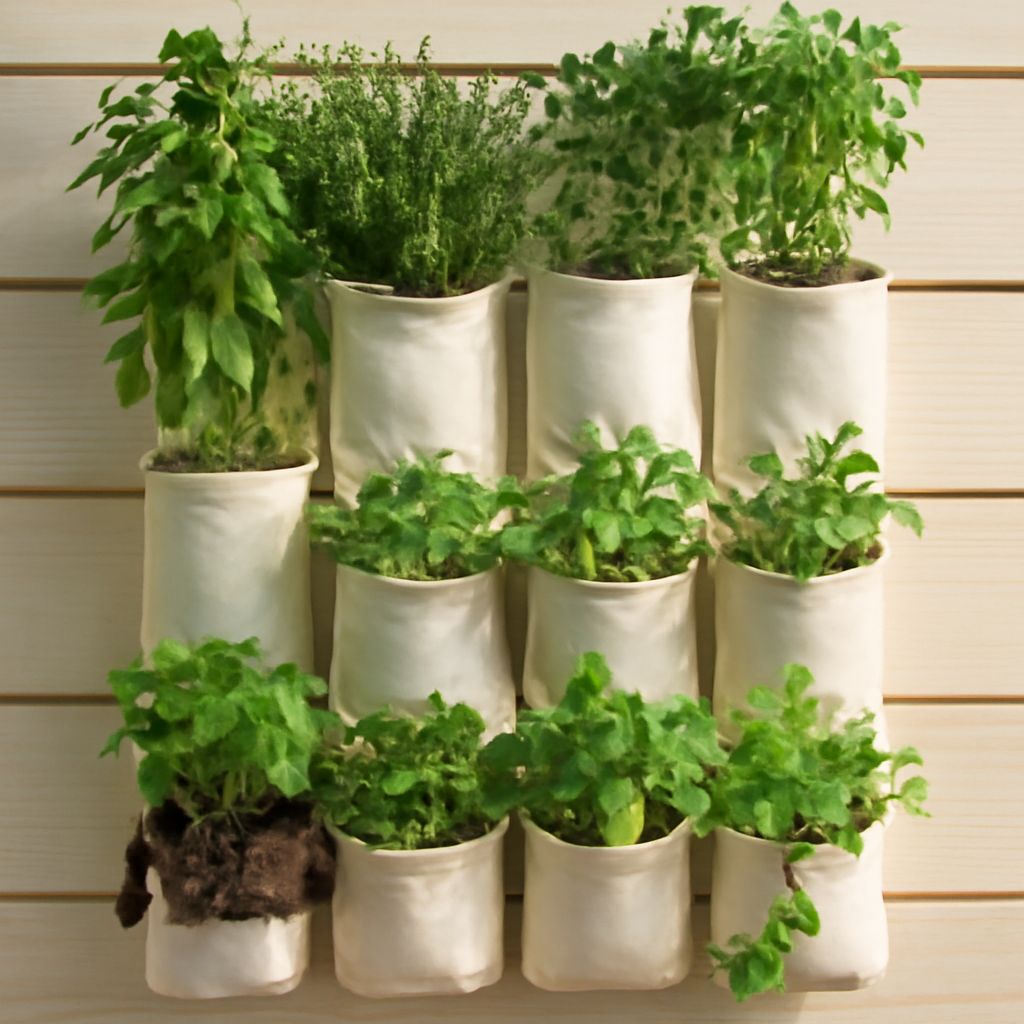
Many of the most effective garden hacks revolve around maximizing space and light. For small spaces, hanging baskets or stackable planter towers can turn a tiny patio into a lush haven. We can also use trellises made from salvaged wood to support climbing plants, creating vertical interest and shade where needed.
Repurposing objects is a cornerstone of both garden culture and garden hacks. Old boots become quirky planters, while chipped teacups find new life as seed starters. By thinking creatively, we reduce waste and infuse our gardens with personality. These projects not only save money but also offer a sense of accomplishment that deepens our connection to the space.
DIY garden hacks invite us to involve friends and family, sharing knowledge and strengthening community ties—fundamental aspects of garden culture. Experimenting together leads to new discoveries and turns gardening into a memorable, ongoing adventure.
Eco-Friendly and Sustainable Ideas
Sustainability sits at the heart of modern garden culture, guiding us to make choices that benefit both our gardens and the planet. Many garden hacks focus on reducing our environmental footprint while still achieving beautiful results. Composting kitchen scraps, collecting rainwater in barrels, and using mulch to retain soil moisture are straightforward, impactful strategies.
We can also explore natural pest deterrents, such as planting marigolds to ward off insects or installing insect hotels to attract beneficial species. These garden hacks not only protect our plants but also contribute to a thriving ecosystem, which is a hallmark of vibrant garden culture.
Reusing and recycling materials plays a pivotal role. For example, repurposing glass bottles as garden edging or turning old newspapers into biodegradable seed pots helps minimize waste. These creative solutions reinforce our commitment to eco-friendly gardening while adding character to our outdoor spaces.
By adopting sustainable garden hacks, we’re making a positive impact that extends beyond our fences. Our gardens become living examples of stewardship, inspiring others in our community to embrace similar practices. This ripple effect is an integral part of spreading garden culture and ensuring that it remains relevant for generations to come.
Blending Design and Function
One of the joys of gardening is merging aesthetics with practicality. Garden hacks excel at this intersection, allowing us to design spaces that are not only beautiful but also highly functional. For example, creating pathways from reclaimed materials adds visual interest while making navigation easier during wet weather.
We often find that integrating seating, storage, and planting areas leads to a more enjoyable garden experience. Simple solutions, such as benches with built-in planters or modular raised beds, demonstrate how garden hacks can enhance both form and function. These thoughtful touches are celebrated in garden culture, where efficiency is embraced alongside artistic expression.
Lighting is another area where smart design choices pay off. Solar-powered lanterns or string lights provide ambiance and safety without increasing energy use. By paying attention to the details, we ensure our gardens are welcoming day and night.
Ultimately, blending design and function ensures our gardens grow with us. As our needs and tastes evolve, so can our outdoor spaces, supported by the adaptable, inventive spirit at the heart of garden culture and garden hacks.
Bringing It All Together
The true beauty of garden culture lies in its inclusivity and adaptability. By applying garden hacks—from upcycled decorations to sustainable watering systems—we can cultivate gardens that mirror our values and spark joy in daily life. Every practical tip or creative tweak reinforces our role as stewards and innovators within a broader gardening community.
In the end, garden hacks help us make the most of what we have, proving that meaningful change doesn’t require grand gestures. Small, thoughtful choices add up, transforming our outdoor spaces into places of inspiration, relaxation, and connection. As we continue to experiment and share, the spirit of garden culture flourishes in every corner we tend.
Key takeaways: Embracing garden culture and garden hacks empowers us to create stylish, sustainable outdoor spaces—no matter our skill level or budget. By blending function and creativity, we make our gardens uniquely our own and strengthen our connection to nature and community.