Let’s face it—gardening comes with its fair share of myths. One we often hear is that only expensive, high-tech tools make a difference in garden care. That’s simply not true! In reality, some of the most effective tools are tried-and-true classics. The humble garden hand rake is a perfect example. This essential piece of tools & equipment is often overlooked, but it’s a must-have for everyone from novice planters to seasoned horticulturists.
As we dig deeper, we’ll bust the myth that a garden hand rake is only good for raking leaves. This tool is incredibly versatile, making garden maintenance easier and more precise. Join us as we break down what a garden hand rake is, the types available, how to use it correctly, how to choose the best one, and how to keep it in top shape. Let’s put to rest the idea that you need a shed full of complicated gear—sometimes, the simplest tools are your greatest allies.
What Is a Garden Hand Rake?
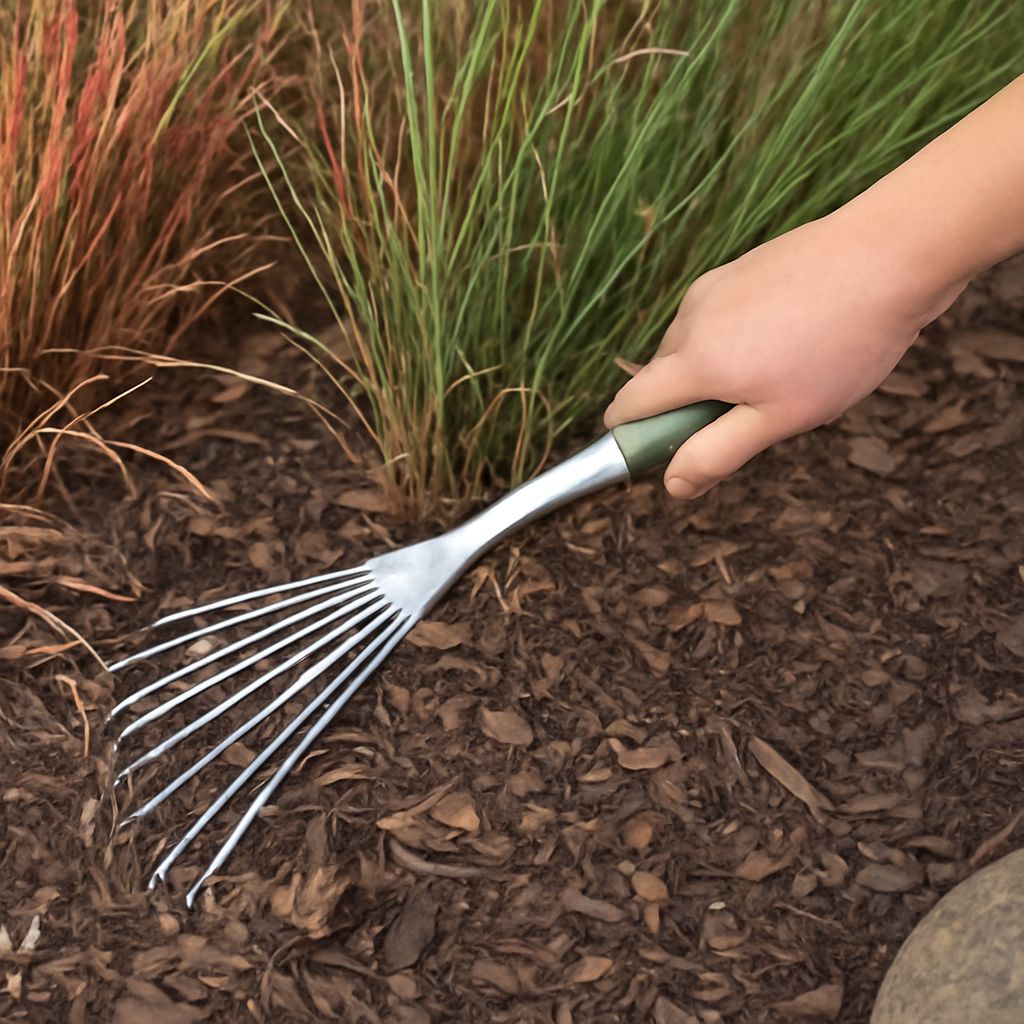
A garden hand rake is a compact, handheld tool designed to help us manage soil, remove debris, and prepare beds for planting. Unlike full-sized rakes with long handles, this smaller version fits comfortably in our hand, offering greater control. It’s a staple in our collection of tools & equipment because of its versatility and ease of use.
Typically, a garden hand rake features a short handle and a head with several sturdy tines, allowing us to reach tight spots. It’s perfect for tasks where precision is key, such as loosening soil around delicate plants, clearing small patches of leaves, or working in raised beds and containers. The portability and maneuverability make it an essential everyday tool for all kinds of gardeners.
We find the garden hand rake especially useful for breaking up compacted soil and spreading mulch or compost. Its manageable size means we can work efficiently in garden beds, between rows of veggie seedlings, or even in window boxes. This tool’s simplicity makes it an ideal companion for both quick touch-ups and more involved soil prep.
By understanding what a garden hand rake is and where it excels, we set ourselves up for smoother gardening sessions. It’s a go-to among tools & equipment for anyone serious about hands-on plant care.
Types of Garden Hand Rakes
When choosing a garden hand rake, we quickly see that not all are created equal. There are several types, each suited to different gardening tasks. Standard hand rakes feature rigid tines made from metal, perfect for breaking up tough soil or clearing debris. Leaf hand rakes have wider, more flexible tines designed to gather leaves and lightweight materials without damaging plants.
Some models focus on ergonomic design, with soft grips and angled heads to reduce wrist strain during use. Others offer specialized shapes, like narrow rakes ideal for working between closely-planted flowers or crops. Material matters, too—stainless steel tines provide durability, while plastic options are lighter but may not handle heavy-duty jobs as well.
We also find hand rakes with adjustable tine widths, giving us the flexibility to switch between gentle leaf-gathering and more forceful soil work. Compact folding models are great for gardeners with limited storage or those who want to carry a tool in a pocket or apron.
Knowing the right type of garden hand rake for our specific needs means we work smarter, not harder. Matching rake type to the job saves us time and energy, making our tools & equipment investment go further.
How to Use a Garden Hand Rake
Using a garden hand rake may seem straightforward, but a few tips can help us get the most out of this essential tool. First, we always check the soil condition. If it’s too dry or hard, a gentle watering can soften things up and make raking less strenuous.
We grip the handle firmly and use a raking motion to loosen soil, clear away debris, or spread amendments. Short, controlled strokes ensure we don’t disturb plant roots or compact the soil. For leaf or mulch gathering, we use wider sweeps, allowing the tines to glide just above the soil surface.
In tight spaces, we use the pointed tines to tease out weeds or aerate the soil. For larger beds, working in small sections helps us maintain precision and avoid damaging nearby plants. We often switch between raking and scooping motions, especially when working with mulch or compost.
By practicing good technique, we maximize the effectiveness of our garden hand rake. Familiarity with this tool’s range of uses—from prepping seed beds to cleaning up spent blooms—makes it a valued part of our tools & equipment lineup.
Choosing the Right Garden Hand Rake
Selecting the right garden hand rake starts with understanding what tasks we do most. For heavy soil work, a sturdy metal rake with firm tines and a comfortable grip is ideal. If we’re mainly gathering leaves or light debris, a wider, more flexible head works better.
We pay attention to handle length and weight, knowing that a lightweight rake is easier to maneuver but should still feel solid in our hand. Ergonomic features, such as non-slip coatings or contoured handles, are worth considering—especially if we spend a lot of time in the garden.
Quality materials are key. Stainless steel stands up to frequent use and resists rust, while hardwood or composite handles provide durability without extra weight. We also check how easy the rake is to clean, as stuck-on soil or plant matter can shorten its lifespan.
When adding to our tools & equipment collection, we test a few rakes in-store if possible, making sure the tool feels balanced and comfortable. The right garden hand rake makes every gardening session more enjoyable and productive.
Caring for Your Garden Hand Rake
Keeping our garden hand rake in top condition pays off with smoother performance and longer tool life. After each use, we remove soil and debris from the tines with a stiff brush or rinse under water. Drying the rake thoroughly helps prevent rust and handle warping.
We inspect rivets and joints for signs of wear, tightening or oiling where needed. Occasionally, we sharpen dull tines with a metal file to keep them efficient. Storing the hand rake in a dry spot, away from direct sun or moisture, preserves both the handle and the tines.
Applying a light coat of oil to metal parts once or twice a season wards off corrosion. For wooden handles, a quick rub-down with linseed oil keeps them smooth and splinter-free. Regular care extends the life of this essential piece of tools & equipment, saving us money in the long run.
With a little attention after each use, our garden hand rake will be ready for action season after season. Maintenance is simple but delivers big returns in reliability and comfort.
Pro tips recap: A garden hand rake is an indispensable member of our tools & equipment team. The right type, paired with good technique and regular care, makes gardening easier, cleaner, and more enjoyable. Choosing quality materials and treating our tool well ensures it’s always ready for whatever the garden throws our way.