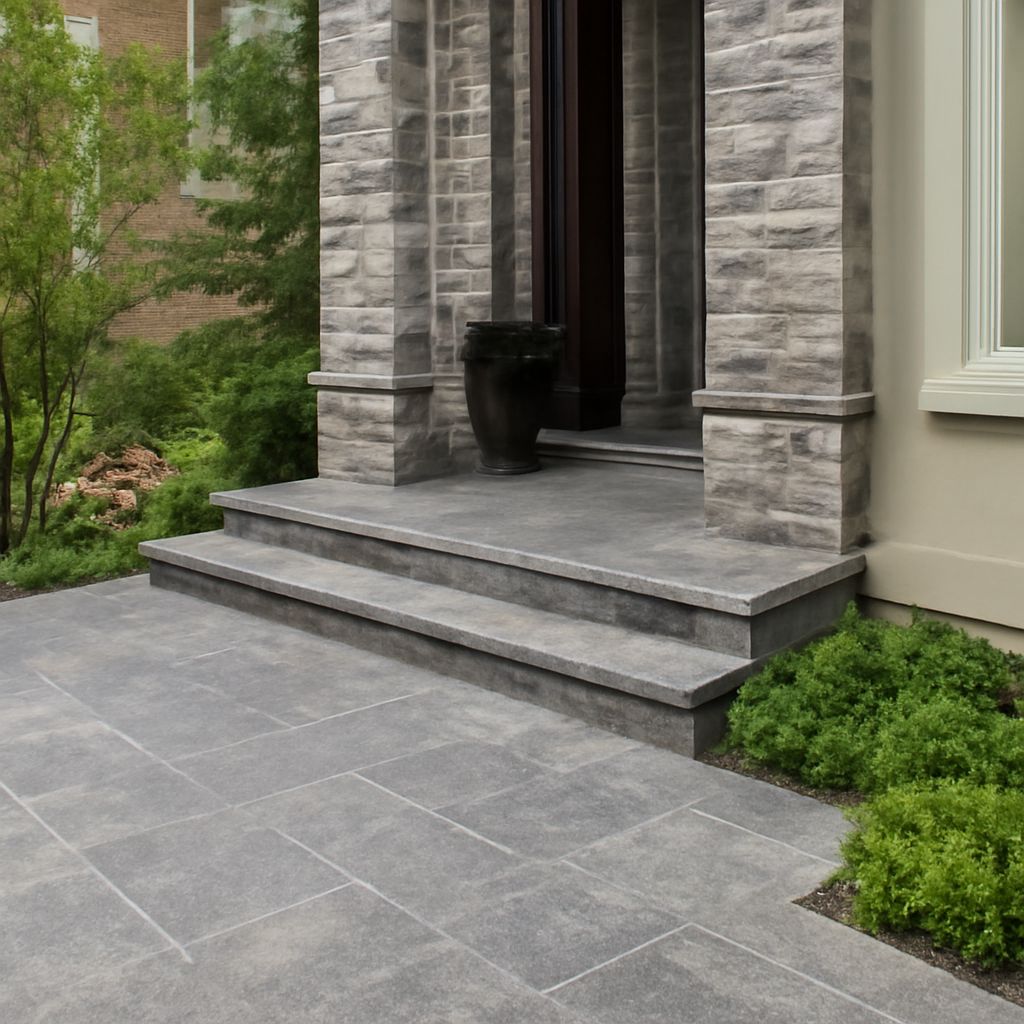
When we imagine an inviting outdoor retreat, most of us picture lush greenery, cozy seating, and a surface that’s both attractive and easy to care for. Yet, myths about pavers patio installations often steer homeowners away before they even explore the possibilities. Some believe a pavers patio is too expensive, or that it requires endless upkeep compared to traditional poured concrete or wooden decks.
Let’s clear the air: with smart planning and the right materials, a pavers patio can be surprisingly budget-friendly and low maintenance. In fact, modern pavers backyard designs harness paver blocks and patio stone to create spaces that are as unique as they are durable. Join us as we bust the myths and reveal how creative, thoughtful design can truly transform any outdoor living space with style, function, and lasting beauty.
Why Choose a Pavers Patio?
We love a pavers patio for its unmatched versatility and visual impact. Unlike slabs or decking, pavers come in a range of sizes, colors, and textures, allowing us to craft bespoke outdoor rooms that reflect our personal style. Even a modest backyard can feel like a luxury retreat with the right pattern and palette.
Another big draw is durability. A well-installed pavers patio resists cracks and shifting, even with temperature changes or heavy foot traffic. Individual units can move slightly without breaking, which means repairs are simple: if one paver cracks, we just swap it out. This adaptability is especially appealing for busy households and entertaining spaces, where wear and tear is part of the fun.
Let’s not forget maintenance. Compared to wood decks, which require sealing and staining, or poured concrete that can crack and stain, paver blocks and patio stone demand very little upkeep. Occasional sweeping and quick weed control are typically all that’s needed to keep the area in tip-top shape. Pavers also handle rain well, draining water efficiently and reducing puddles or mud.
For anyone looking to increase property value, a pavers patio checks the box. These surfaces boost curb appeal and create a practical, attractive gathering space—both major selling points should we ever put our home on the market.
Design Inspiration for Pavers Backyard
Transforming our outdoor space starts with vision. Do we want a cozy corner for morning coffee, a wide terrace for family gatherings, or a meandering pathway through flower beds? Pavers backyard projects can be customized to fit any dream, big or small.
One popular approach is mixing different types of patio stone to add texture and contrast. For example, we might use sleek, modern rectangles for the main seating area, then frame the space with cobblestone borders or inlays of colorful brick. This layering of materials helps define zones for dining, lounging, or gardening within the same backyard.
Don’t overlook curves and organic lines—a pavers backyard isn’t limited to straight edges. By weaving paths or creating circular patios, we give our landscape a more natural, flowing feel. Even small yards benefit from these shapes, which draw the eye and make the space feel larger and more inviting.
Lighting, built-in planters, and fire pits can all be incorporated directly into the pavers patio design. With these additions, our backyard becomes a year-round living room, perfect for both daytime fun and evening relaxation.
Popular Types of Paver Blocks
When it comes to choosing paver blocks, the options can be overwhelming—but that’s part of the fun. Concrete pavers are a top choice for many of us, offering both affordability and endless design flexibility. These units mimic the appearance of natural stone, brick, or tile, letting us match any décor style.
For timeless elegance, nothing beats natural stone pavers. Materials like slate, granite, and limestone bring unique patterns and subtle color shifts to a pavers patio. While the upfront investment is higher, the character and long-term durability pay off for years to come.
Clay brick pavers offer a classic, warm look that’s right at home in traditional or cottage-style gardens. They’re strong and naturally slip-resistant—perfect for walkways or active family spaces. And for those of us wanting something truly distinct, permeable paver blocks allow water to seep through the joints, supporting eco-friendly landscaping and reducing runoff issues.
No matter the material, we select paver blocks that fit our climate, usage, and style goals. Working with local suppliers can help us find the best match for our project and ensure availability for repairs down the road.
Patio Stone Patterns and Layouts
The layout of our patio stone can transform the entire vibe of the space. The classic running bond—where each stone is staggered like a brick wall—is timeless and simple to install. For a more dynamic look, we might choose a herringbone pattern, which interlocks pavers at angles for extra visual interest and strength.
Circular and fan-shaped patterns add elegance and serve as stunning focal points, especially under a fire pit or dining set. If we’re after a relaxed, rustic feel, a random or ashlar pattern using various stone sizes can help us achieve a natural, old-world charm.
In smaller spaces, laying paver blocks diagonally or with contrasting borders draws the eye and creates an illusion of depth. Decorative inlays or mosaics using colored or textured stones turn a functional patio into a true work of art.
Proper preparation is key: we always start with a well-compacted base and take time to plan our layout before setting the first stone. Dry-laying the pattern first lets us experiment and ensure a great fit before we commit.
Maintaining Your Pavers Patio
While a pavers patio is famously easy to care for, regular attention keeps it looking fresh. We sweep away leaves and debris weekly to prevent stains and discourage weed growth between the patio stone. For tough dirt or algae, a gentle pressure wash every season does wonders.
Sealing is an option to boost color, resist stains, and prevent moss growth, especially on natural stone or lighter paver blocks. We check the sealant every couple of years and reapply as needed based on weather and traffic.
Occasional weeding between joints is crucial, even with polymeric sand in place. Should a paver settle or crack, lifting and resetting that piece is straightforward—no need to redo the whole patio. This modularity is a huge advantage over solid surfaces.
Finally, we keep an eye out for drainage. Water should flow off the pavers and away from our home. If pooling occurs, we adjust the slope or add gravel to fix the issue before it becomes a problem.
Choosing the Right Style for Your Space
Finding the perfect look for our pavers backyard starts with our home’s architecture and the way we want to use the space. Modern homes pair well with large, smooth patio stone in sleek layouts, while traditional spaces shine with tumbled edges and warm, earthy colors.
We consider the landscape, too: for a garden oasis, we might blend irregular stone with lush plantings, while entertaining zones benefit from clear, open patterns and durable paver blocks. Mixing materials—like adding a border of brick to a field of slate—adds definition and a designer touch.
Personal touches, like custom inlays or contrasting grout, help our pavers patio stand out. It’s worth taking the time to gather inspiration and experiment with color samples to find the right fit. Consulting with a professional designer can also help us avoid common pitfalls and maximize our investment.
In the end, the best pavers patio is one that feels welcoming, fits our lifestyle, and elevates our whole outdoor living experience. With so many choices, there’s truly a solution for every taste and budget.
Next steps: Once we’ve chosen our design and materials, keeping our pavers patio in top shape is simple—regular cleaning, spot repairs, and seasonal checks. With a bit of care, our outdoor space will remain a beautiful, functional retreat for years to come.