When we think of specialty gardens, a peonies garden might not immediately come to mind. Yet, peonies are one of the most versatile and stunning flowers to incorporate into your garden design. There’s a myth that peonies are too finicky or demanding for the average gardener, but this simply isn’t true. With the right approach, anyone can create a beautiful peonies garden that thrives throughout the seasons.
In reality, peonies are quite resilient and can become the highlight of your garden design with proper planning and care. It’s time to dispel the misconceptions and dive into the world of peonies. Let’s explore how to select the perfect peony varieties, design a cohesive garden layout, and maintain vibrant blooms through the year in our peonies garden.
Introduction to Peonies Gardens
Peonies have been cherished in gardens for centuries, known for their lush blooms and delightful fragrance. In a peonies garden, these flowers can serve as the focal point, drawing attention with their vibrant colors and varying forms. Whether you’re captivated by their classic charm or their ability to adapt to different garden styles, peonies offer endless possibilities for garden design.
Creating a specialty garden with peonies allows us to express our personal style while enjoying the plant’s natural beauty. By understanding the basic requirements and characteristics of peonies, we can cultivate a garden that’s both attractive and easy to maintain.
Choosing the Right Peony Varieties
One of the first steps in designing your dream peonies garden is selecting the right peony varieties. Peonies come in three main types: herbaceous, tree, and Itoh (intersectional) peonies. Each type has unique characteristics that can complement different garden styles.
Herbaceous peonies are perhaps the most common, dying back in the winter and returning each spring. Tree peonies, on the other hand, are woody plants that maintain their structure year-round. Itoh peonies are hybrids that offer the best of both worlds, with robust blooms and a sturdy structure.
When selecting peony varieties, consider the bloom time, color, and size. This will help in planning a garden that offers continuous interest. Mixing early, mid, and late bloomers can ensure that your peonies garden stays vibrant for an extended period.
Designing Your Peonies Garden Layout
The layout of your peonies garden plays a crucial role in its overall appeal. Begin by assessing the space and light conditions. Peonies generally prefer full sun, but some varieties can tolerate partial shade. Ensure your garden layout provides enough sunlight for optimal growth.
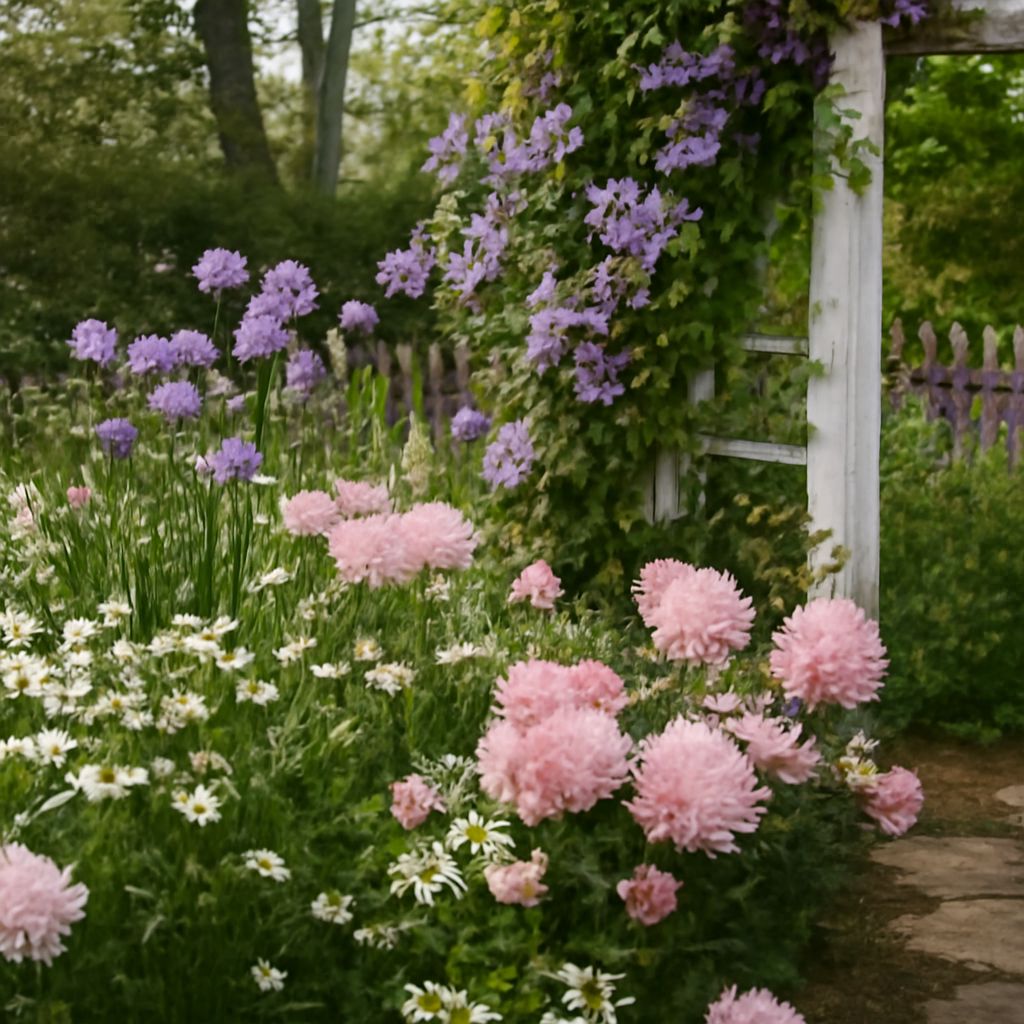
Grouping peonies by type or color can create a cohesive look. Consider pathways or companion plants that highlight the peonies’ beauty without competing for attention. Ornamental grasses or low-growing perennials can provide contrast and texture, enhancing the peonies garden design.
Plan for spacing; peonies need room to grow without overcrowding. Proper spacing promotes air circulation, reducing the risk of disease. A well-designed layout not only improves the health of the plants but also the visual harmony of the garden.
Caring for Your Peonies
Caring for your peonies involves understanding their basic needs and providing consistent attention. Peonies require well-drained soil enriched with organic matter. Overly wet conditions can lead to root rot, so proper drainage is vital.
Watering should be consistent but not excessive. During dry periods, deep watering once a week helps maintain soil moisture. Mulching around the base can help retain moisture and suppress weeds, benefiting the overall health of your peonies garden.
Fertilization is also essential, ideally applied in early spring and after the blooms have faded. A balanced fertilizer can support robust growth and vibrant blooms. Regularly checking for pests and diseases allows for prompt intervention, keeping your peonies healthy and thriving.
Seasonal Maintenance Tips for Peonies
Maintaining a peonies garden involves seasonal tasks that promote vigor and bloom quality. In early spring, remove any winter mulch and apply a fresh layer. This protects emerging shoots and improves soil quality as the peonies prepare to bloom.
As peonies bloom, deadhead spent flowers to encourage plant energy to return to the roots rather than seed production. In late summer or fall, cut back herbaceous peonies to ground level to prevent disease and prepare for the next growing season.
Tree peonies require minimal pruning, but removing dead wood and spent blooms can keep them tidy. Winter protection, such as mulching the base, can safeguard against extreme cold, ensuring your peonies garden remains a vibrant display year after year.