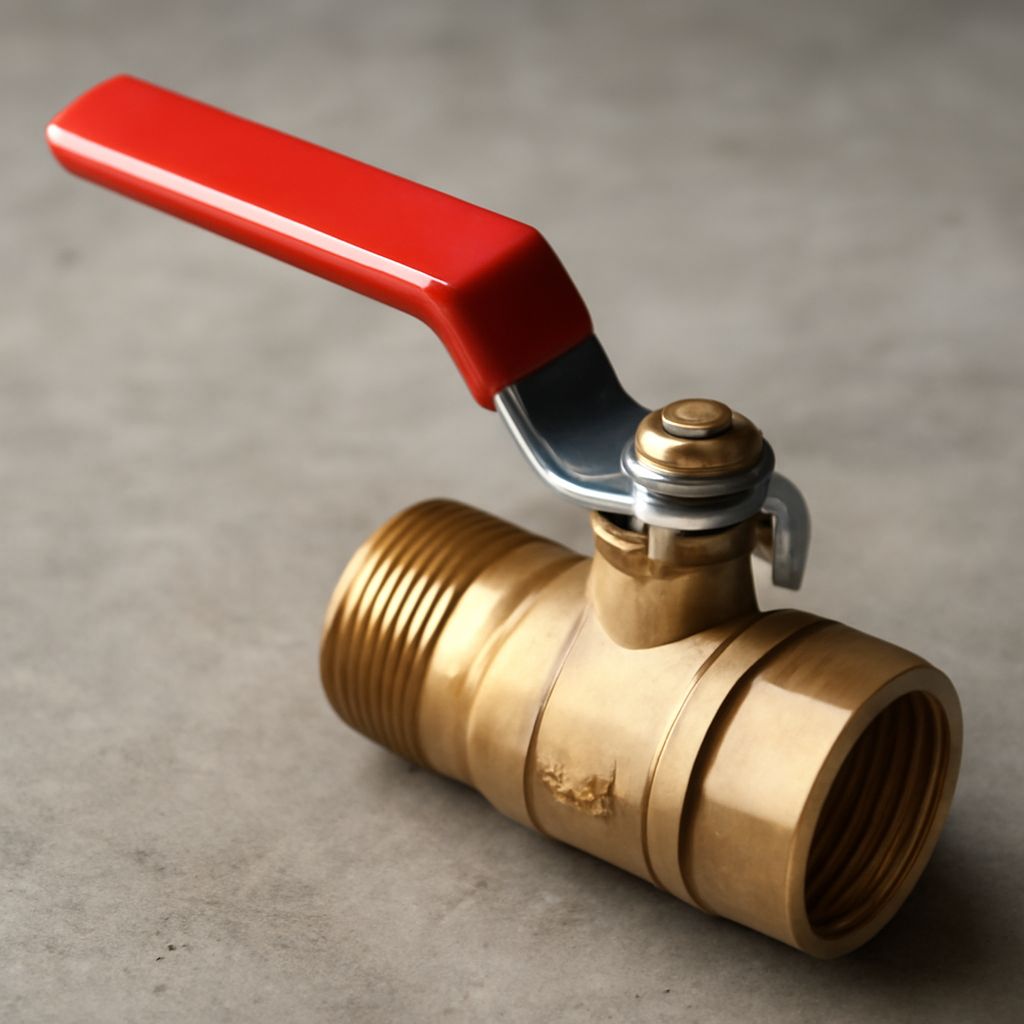
It’s easy to overlook the garden hose valve—after all, it seems like such a simple part of our outdoor setup. Many of us assume that as long as water comes out when we turn the handle, everything must be fine. But ignoring a garden hose valve can lead to all sorts of headaches, from annoying leaks to wasted water and unexpected breakdowns right when we need a steady flow most. Let’s put some myths aside: a bit of knowledge and regular care for hoses & fittings can go a long way in keeping our gardens lush and our irrigation systems problem-free.
Today, we’ll break down everything you need to know about maintaining your garden hose valve. We’ll explore the different types, show you how to spot trouble before it starts, and walk you through simple steps to protect your investment. Whether you’re a home gardener or someone who just wants to avoid a soggy mess, this guide is tailored for you.
What Is a Garden Hose Valve?
A garden hose valve is a simple—but crucial—device that controls the flow of water from your outdoor faucet into your hose. We use it every time we water plants, wash cars, or fill up a kiddie pool. Without a reliable valve, managing water flow becomes frustrating and wasteful. These valves are typically made from durable materials like brass or heavy-duty plastic to withstand outdoor conditions and regular use.
Most garden hose valves are designed for easy attachment directly to the spigot. They often include threaded connections, making them compatible with a wide range of hoses & fittings. The purpose is straightforward: they let us start and stop the flow of water quickly, and sometimes even regulate the water pressure for delicate tasks or high-powered cleaning.
Proper care of the garden hose valve not only extends its lifespan but also protects our hoses & fittings from unnecessary wear or strain. If left unchecked, even a sturdy valve can develop leaks or blockages, which eventually impact the entire watering system. That’s why understanding what a garden hose valve is, and how it works, sets the foundation for good maintenance practices.
Whether we’re installing a new irrigation setup or just replacing old hardware, the garden hose valve is the unsung hero we rely on for smooth and efficient outdoor watering.
Common Valve Types
There are several types of garden hose valves to choose from, each with unique benefits. The most common are ball valves, gate valves, and quarter-turn valves. Ball valves use a rotating sphere to open or close water flow. They’re known for fast, reliable shutoff and are popular in both home and commercial settings.
Gate valves operate by raising or lowering a gate inside the valve body, allowing for fine control of water pressure. These are great when we want gradual adjustments rather than a simple on or off. Quarter-turn valves, as the name suggests, open or close with just a 90-degree turn of the handle. They’re user-friendly and less likely to seize up with age.
Other specialty hose valves, like Y-connectors or dual shutoff valves, help us split a single water source into multiple lines. This is handy when we’re running several hoses at once or need to irrigate separate areas. When selecting a valve, we consider the material—brass is sturdy, while plastic is lightweight and affordable, but may not last as long.
Understanding the differences between these hose valves helps us select the right tool for our garden’s needs. The right valve type can make all the difference in long-term performance and ease of maintenance for both the valve and our hoses & fittings.
Signs Your Valve Needs Maintenance
Spotting early warning signs is key to preventing bigger problems with our garden hose valve. The most obvious clue is leaking—whether it’s a slow drip at the connection or water spraying out from the handle, any moisture where there shouldn’t be is a red flag. Sometimes the valve becomes hard to turn or gets stuck, which points to debris inside or worn-out internal parts.
If we notice reduced water flow or inconsistent pressure, it may mean there’s a blockage inside the valve or the hoses & fittings connected to it. Discoloration on the valve, especially greenish or white mineral buildup, signals corrosion or hard water deposits. These not only weaken the material but also make it tougher to operate.
Another common problem is a handle that spins without controlling the water—this usually means the internal mechanism has failed. Unusual noises, like squealing or hissing when turning the valve, are also signs that maintenance is overdue. We shouldn’t ignore these symptoms, as they can quickly lead to complete valve failure and potential water damage.
By identifying these signs early, we can tackle small issues with our garden hose valve before they become major headaches, saving time and money in the long run.
How to Maintain a Garden Hose Valve
Routine maintenance keeps our garden hose valve in top shape. First, we turn off the water supply and detach the hose. Inspect the valve and all hoses & fittings for cracks, rust, or buildup. Use a soft brush or old toothbrush to clean around the valve threads and handle, removing any dirt or mineral deposits that could impede operation.
If the valve is stiff or hard to turn, applying a small amount of plumber’s silicone grease to the moving parts can restore smooth action without damaging rubber seals. Check washers and O-rings inside the valve; these small pieces often cause leaks when worn. Replacing them is inexpensive and can instantly stop most drips or seepage.
Flushing the valve with clean water removes trapped debris. We do this by turning the water on briefly with no hose attached, allowing any loose particles to escape. For stubborn buildup, soaking removable parts in a vinegar solution dissolves hard deposits safely and effectively.
Final step: reconnect everything, ensuring all hoses & fittings are snug but not overtightened. Test for leaks and smooth operation. Regular attention like this not only extends the life of our garden hose valve but also prevents hassle during peak garden season.
Troubleshooting Valve Problems
Even with regular care, issues can crop up with our garden hose valve. If we spot a persistent leak, we start by checking the connection points—often, simply tightening the hoses & fittings stops the problem. If leaks continue, the culprit is usually a worn-out washer or O-ring, which can be swapped out in minutes with basic hand tools.
When the valve handle won’t budge, mineral deposits or trapped debris are likely at fault. We try soaking the valve in a descaling solution or applying gentle pressure to loosen it. Sometimes, taking the valve apart and cleaning the inside surfaces solves the problem. It’s important to reassemble carefully, checking that all parts are properly seated and lubricated.
If water pressure is weak, we look for blockages inside the valve or along the connected hoses & fittings. Flushing the line and removing any debris often restores normal flow. For valves that squeal or whine, lubrication or replacing worn components is usually the answer.
By following these troubleshooting steps, we can restore proper function to most garden hose valves and keep our watering systems running smoothly.
When to Replace Your Valve
Sometimes, maintenance isn’t enough and it’s time to replace the garden hose valve. If we notice persistent leaks even after replacing washers and seals, or if the valve body itself is cracked, replacement is safer and more reliable than continued repairs.
Corroded or heavily rusted valves can contaminate water and damage attached hoses & fittings. When the handle breaks off or the internal mechanism fails repeatedly, that’s our cue to invest in a new, dependable valve. Modern valves often have improved designs that make maintenance and operation even easier.
If we’re upgrading our irrigation setup or connecting specialty hoses, a new garden hose valve designed for higher flow or specific applications is a smart move. Choosing a quality replacement ensures long-term reliability and protects our entire watering system from future headaches.
In the end, replacing a faulty valve is a straightforward task that pays off in peace of mind and efficient garden care.
Key takeaways: Regular inspection and simple maintenance keep our garden hose valve working smoothly and prevent leaks or costly damage. Knowing when to repair or replace ensures our hoses & fittings last longer and our watering setup stays efficient. A little attention today means hassle-free gardening tomorrow.