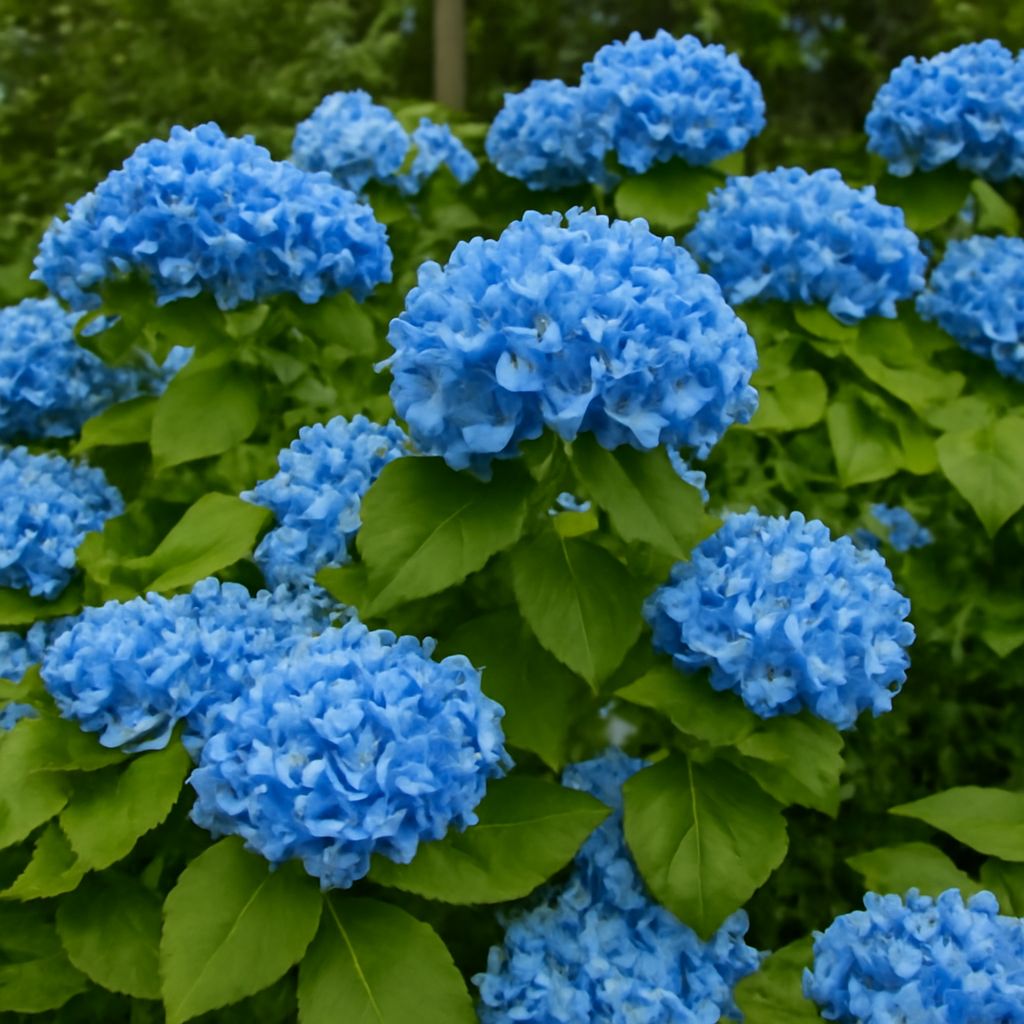
Most hydrangeas flower in summer, with the first clusters often opening in early summer and later varieties waiting until midsummer. When your hydrangea blooms depends on its type and the weather where it grows. The length of its flowering period also varies: fresh color may last several weeks, while aging flower heads can remain on the branches into fall.
A calendar by hydrangea type
The name on the plant tag is the best place to begin. In Maryland, for example, the University of Maryland Extension describes these typical windows:
- Bigleaf hydrangeas usually flower from mid-June into August. Some cultivars flower again on new growth later in the season.
- Oakleaf hydrangeas generally open their long white clusters in late June and July. Some turn pink as they age.
- Smooth hydrangeas typically begin in June. Their flowers often open greenish before turning creamy white; some plants may produce a second flush in late summer.
- Panicle hydrangeas are generally later, with cone-shaped clusters appearing in midsummer. Many hold their fading color into fall.
These are guideposts, not dates to mark in ink. When do hydrangeas bloom in your own bed? Record the name on the tag and compare it with the plant’s performance over a few seasons.
How Long Do Hydrangeas Bloom in the Garden?
How long do hydrangeas bloom? A shrub can offer several weeks of fresh flowers, and some varieties provide color over much of the summer. How long a hydrangea stays in bloom depends partly on whether it produces one main flush or opens new clusters after the first. A reblooming bigleaf variety may flower on both older stems and the current season’s growth, extending the display when conditions cooperate.
A flower head can remain attractive after its small individual flowers have finished opening. White clusters may become pink, green, tan, or papery as they age. This long-lasting display is part of the charm, but it is different from a fresh flush of flowers. When judging how long hydrangeas flower, note both the last new cluster and the date the old heads lose the color you enjoy.
Heat, drying soil, and strong afternoon sun can shorten the fresh display. In a cooler, sheltered spot, the same kind of shrub may hold its color longer. Faded heads can remain attractive even after new flowers stop appearing.
Why the timing shifts from place to place
The hydrangea blooming season follows local weather as well as the plant’s inherited schedule. In a warm Southern garden, growth may get under way earlier than it does in a cold Northern garden. The time hydrangeas open their flowers can shift when a late spring or cool site delays growth, while an unusually warm spring can bring it forward. A warm wall can also affect the small climate around a plant.
Within one yard, a shrub in morning sun may develop differently from one beneath dense trees. Too little light can reduce flowering; fierce afternoon sun and dry soil can stress the plant and fade flowers sooner. Many hydrangeas appreciate morning sun and some afternoon shade, especially where summers are hot. Panicle types generally tolerate more sun if their roots have adequate moisture.
The date hydrangeas start blooming can also change after a difficult winter. Many bigleaf and oakleaf varieties form flower buds on older stems. Severe cold or a late frost can damage those buds even when leaves grow back. Some reblooming bigleaf cultivars can also flower on new growth, although the later display still depends on the season. Smooth and panicle types set flowers on new growth, so their schedule rests on the current year’s shoots.
What to do if flowers are late or missing
First identify the plant and consider its usual window. If a bigleaf shrub has plenty of leaves but few flowers after a cold winter, inspect the stems for winter damage and consider whether a late freeze hit emerging buds.
When do hydrangeas bloom after an unusually cold spring? A late frost may delay growth or damage buds already formed, and a shrub may leaf out without its usual flowers. Compare its progress with the same plant’s record from earlier seasons and the local weather.
Keep the soil evenly moist, especially while a plant is establishing or during dry spells. Water deeply at the root zone when the soil begins to dry, and use a layer of mulch to slow moisture loss without piling it against the stems.
Watch the plant through the season
To understand when your hydrangeas will bloom next year, keep a simple garden note. Record the first visible buds, the first open flowers, and any late frost or stretch of heat. Note how long the hydrangea flowers last in fresh color and when the heads begin to fade.
A few observations will show the rhythm of your own plant: whether its flowering begins early or late in your yard, how long its bloom display holds after hot weather, and which stems carry the next year’s buds. That record gives you a practical calendar for watching and enjoying the flowers as they come.