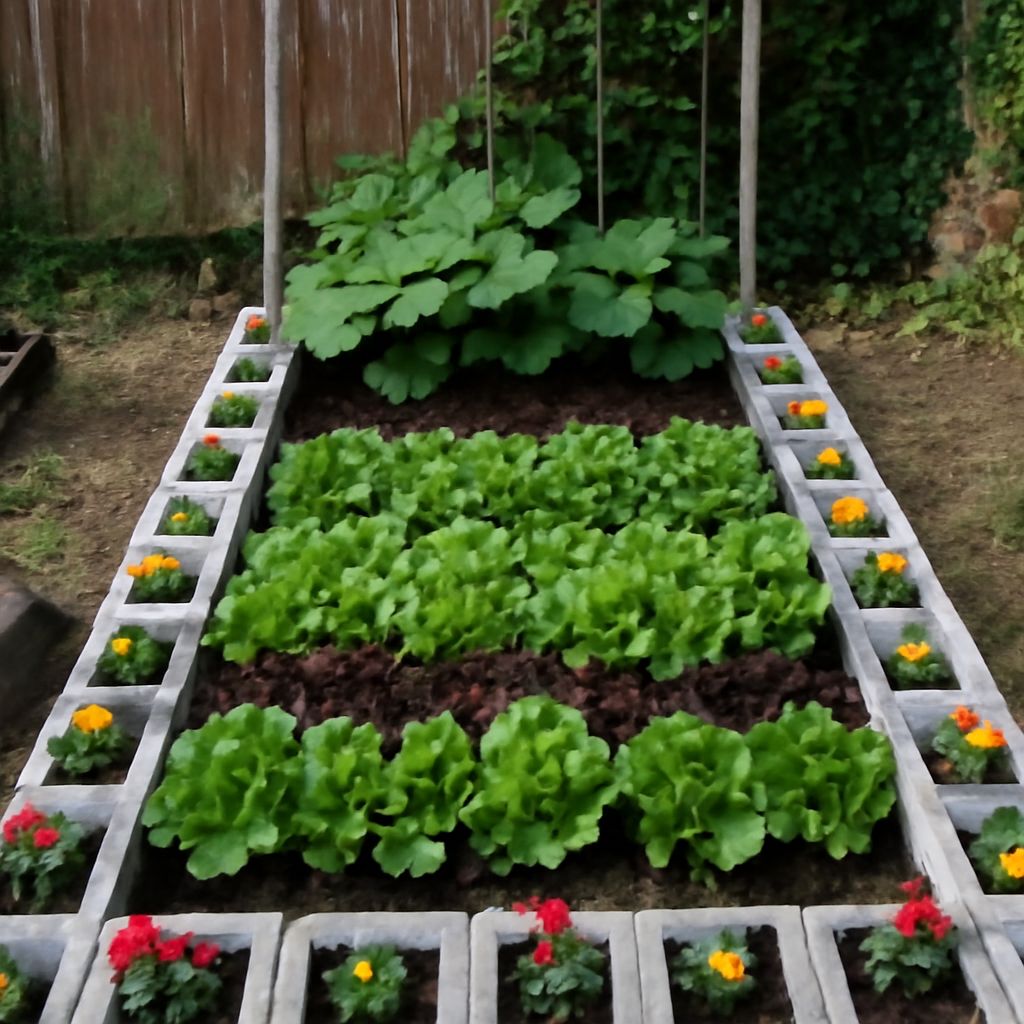
Many believe that starting a flower garden requires a green thumb and ample experience, but this is just a myth. In truth, anyone can learn how to start a flower garden with a bit of guidance and a passion for plants. Whether you’re aiming for vibrant blooms or a serene space, cultivating your own garden is both rewarding and achievable.
As we explore how to start a flower garden, we’ll cover essential topics such as choosing the right location and selecting the perfect flowers. By the end, you’ll be equipped with all the knowledge needed to design your own garden filled with style and creativity.
Choosing the Right Location
When we start a flower garden, the first step is choosing the right location. It’s important to assess the amount of sunlight your potential garden area receives throughout the day. Most flowering plants require at least six hours of direct sunlight, but some species prefer partial shade.
Consider the garden’s proximity to a water source. Easy access to water can simplify the task of maintaining your flower garden, especially during dry spells. Additionally, think about the accessibility of your garden for daily upkeep and enjoyment.
Selecting Flowers for Your Garden
Once the location is set, the next step is selecting flowers for your garden. Start by considering your climate and the growing conditions in your area. This ensures that the plants you choose will thrive in your garden.
Think about the colors and scents you want to incorporate. A mix of perennials and annuals can offer variety and long-lasting blooms. When we carefully choose flowers, we can create a garden that’s not only beautiful but also tailored to our personal tastes.
Preparing the Soil
Before planting, prepare the soil to ensure a healthy start for your flowers. Test the soil’s pH and nutrient levels to determine if any amendments are necessary. Most flowers prefer slightly acidic to neutral soil.
Loosen the soil to improve drainage and aeration. Adding organic matter such as compost can enrich the soil, providing essential nutrients for your plants. Good soil preparation can significantly impact the success of your flower garden.
Planting Techniques
Timing and Season
Knowing the right time to plant is crucial. Different flowers have varying tolerance to temperature changes. Typically, spring is an ideal season for starting a flower garden, but some hardy varieties can be planted in the fall.
Spacing and Depth
Proper spacing and planting depth are vital to avoid overcrowding and ensure healthy growth. Each plant species has specific requirements; following these will help prevent competition for resources such as sunlight and water.
When planting, gently loosen roots and position the plants at the correct depth. This helps the roots establish quickly, fostering a strong start in their new environment.
Maintaining Your Flower Garden
Watering and Fertilizing
Regular watering is essential, especially during dry periods. We recommend deep watering to encourage deep root growth. Use mulch to retain soil moisture and reduce the need for frequent watering.
Fertilizing is another key aspect of maintaining your flower garden. Use a balanced fertilizer suitable for flowering plants, applied according to the product instructions. This will support healthy blooms throughout the growing season.
Pest and Weed Control
Pests and weeds can threaten the health of your garden. Implement natural pest control methods such as introducing beneficial insects or using organic sprays. Regularly check for infestations and act promptly to protect your plants.
For weeds, consistent removal is crucial. Mulching can also suppress weed growth, reducing competition for nutrients and water. By staying proactive, we can keep our garden flourishing.
Design and Style Ideas
Designing your garden allows for creativity and personalization. Consider layout aspects like pathways, focal points, and complementary plant pairings. Incorporate structures such as trellises or garden statues to add visual interest.
Playing with color schemes can evoke different moods. Use contrasting colors for a vibrant look or pastels for a calming effect. The style and ideas you choose for your flower garden can transform it into a unique outdoor retreat.
Understanding how to start a flower garden is more than just planting flowers—it’s about creating a space that reflects your vision and brings you joy. With these tips, we can cultivate a garden that not only brims with beauty but also offers a sense of accomplishment and peace.


