The idea of starting a herb garden often conjures images of sprawling countryside fields or expansive backyards, but that’s far from the reality. Many believe that only those with extensive land or gardening expertise can embark on this green venture. However, how to start a herb garden is a journey that anyone, from urban apartment dwellers to suburban homeowners, can successfully undertake. Today, we will dispel these myths and guide you through the process of creating your very own herb sanctuary.
Whether you’re a novice gardener or a seasoned plant enthusiast, learning how to start a herb garden can be both fulfilling and practical. Herb gardens are incredibly versatile and can be customized to fit any environment, from a sunny windowsill to a designated patch in your backyard. Let’s explore the essential steps that will ensure your herb garden flourishes.
Introduction to Herb Gardening
Herb gardening is an ancient practice that has found its place in modern lifestyles. We often overlook how accessible and beneficial growing herbs can be, especially when it comes to enhancing culinary dishes or providing natural remedies. By understanding the basic requirements and the unique charm of herbs, we can cultivate a thriving garden that complements our living space.
Choosing the Right Location
Choosing the right location is the cornerstone of a successful herb garden. Herbs generally thrive in areas that receive plenty of sunlight. Most herbs require at least six hours of direct sunlight daily. If you’re limited on outdoor space, consider a sunny balcony or a well-lit windowsill. Indoor herb gardens are also popular and can be maintained with the help of grow lights.
It’s also crucial to consider accessibility. Remember, we need to regularly water, harvest, and care for our plants, so a convenient location is best. Ensure the spot has good air circulation to prevent mold and mildew, which can damage your herbs.
Selecting Your Herbs
Selecting your herbs involves considering both your preferences and the growing conditions of your chosen location. Easy-to-grow herbs like basil, mint, and rosemary are excellent for beginners. These plants not only enhance your cooking but are also hardy and forgiving to minor gardening mistakes.
For those with more ambitious palettes or specific culinary needs, herbs like tarragon or lemongrass might be more appropriate. When selecting, we should also factor in the growth habits of the plants. Some herbs, like mint, spread quickly and might require containment to prevent them from overtaking your garden.
Preparing Your Soil
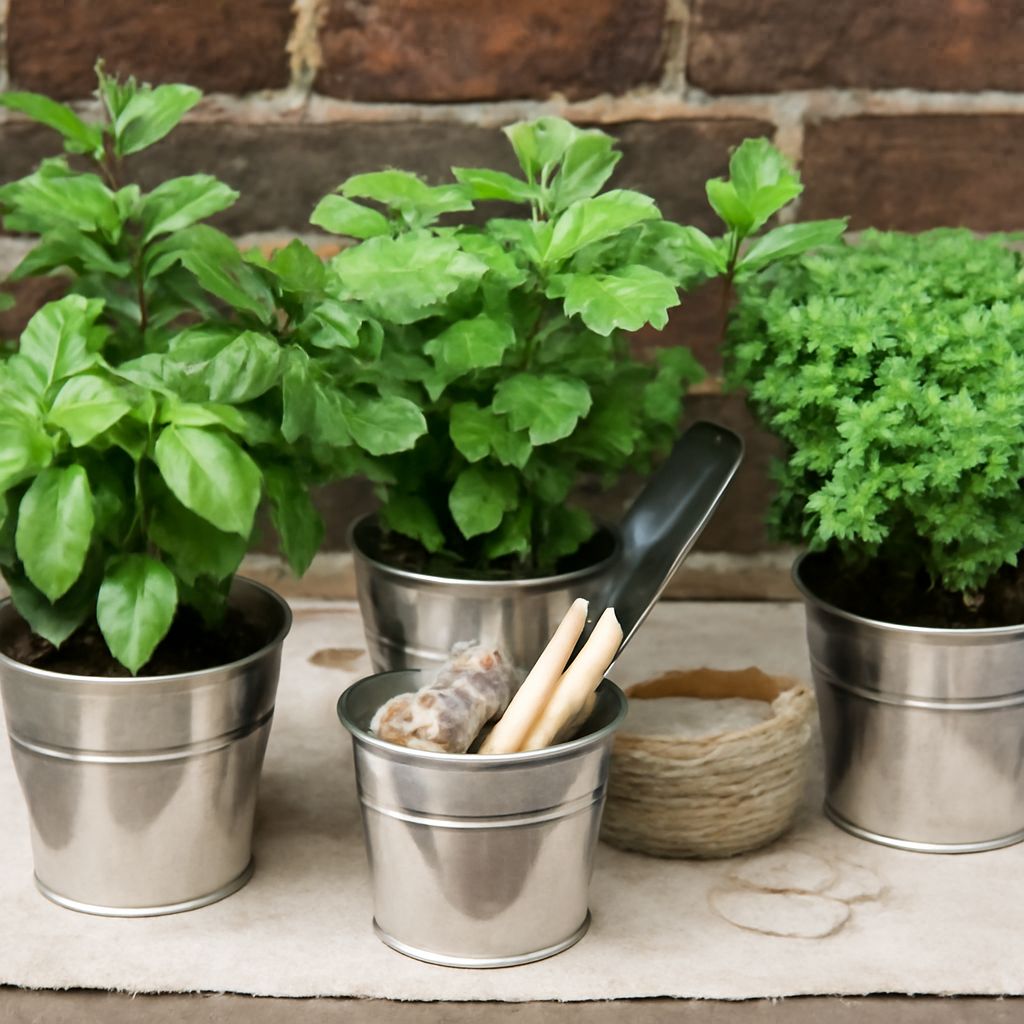
Preparing your soil is a critical step that lays the foundation for healthy herb growth. Most herbs prefer well-draining soil, so we should aim for a mixture that retains moisture without becoming waterlogged. If using garden soil, consider amending it with sand or perlite to improve drainage.
For container gardening, a high-quality potting mix is often the best choice. Adding a slow-release fertilizer can provide your herbs with necessary nutrients. It’s important to test the pH level of the soil to ensure it’s slightly acidic or neutral, as most herbs prefer this range.
Planting and Caring for Your Herbs
Planting and caring for your herbs involves a balance of attention and restraint. When planting, follow the spacing guidelines for each herb to prevent overcrowding, which can lead to poor airflow and increased susceptibility to disease.
Regular watering is essential, but we must avoid overwatering as this can lead to root rot. Check the soil moisture and water when the top inch feels dry. Pruning is another important aspect of herb care. Regularly harvesting your herbs not only encourages new growth but also prevents the plants from becoming woody and less flavorful.
Troubleshooting Common Issues
Troubleshooting common issues in herb gardening is a skill that develops with experience. Yellowing leaves may indicate overwatering, while slow growth could result from inadequate sunlight or nutrients. Recognizing these signs early allows us to adjust our care regimen promptly.
Pests like aphids and spider mites can also pose problems. Using natural pest control methods, such as neem oil or introducing beneficial insects like ladybugs, can effectively manage these invaders without resorting to harsh chemicals.
In summary, how to start a herb garden is a rewarding endeavor that brings the joy of fresh flavors and fragrances into our daily lives. By carefully choosing the location, selecting the right herbs, and committing to diligent care, we can cultivate a thriving garden that fits any lifestyle.