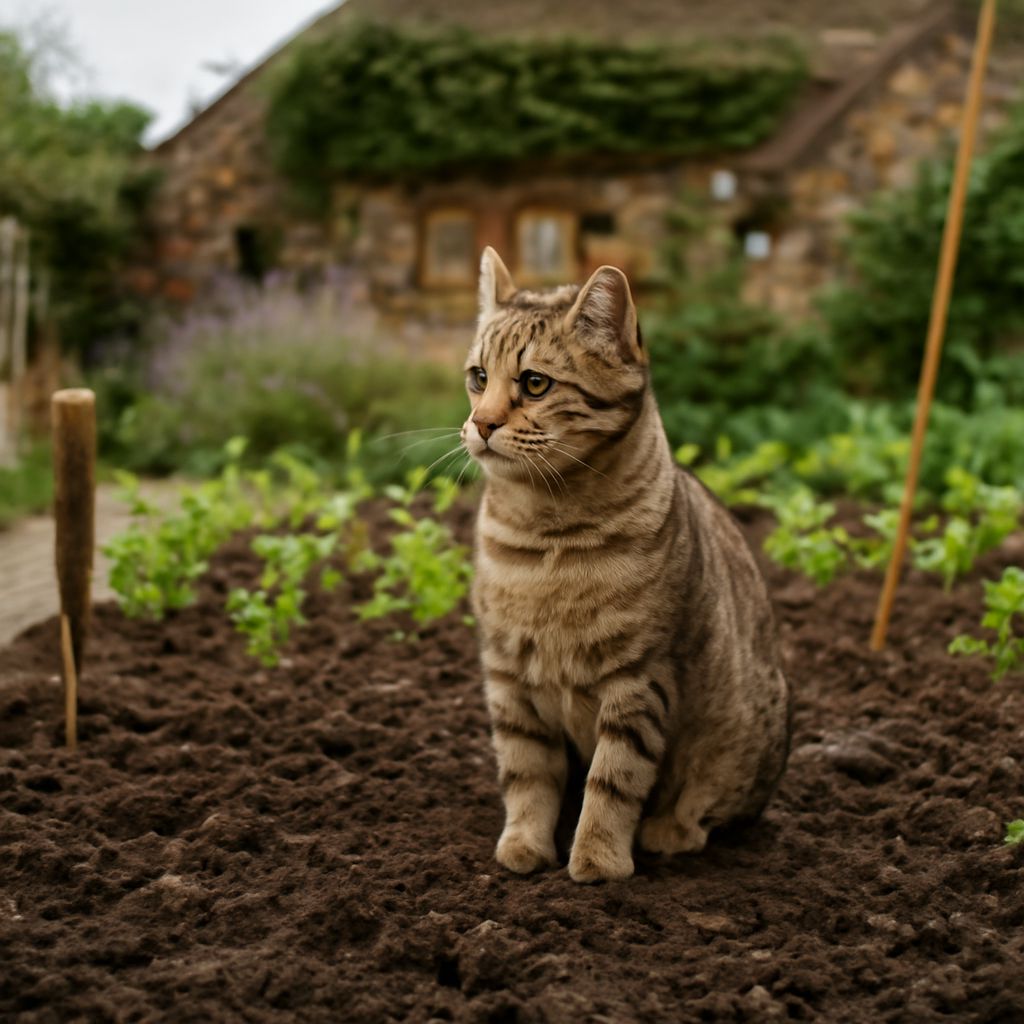
We’ve all heard the myth that cats are impossible to keep out of gardens. This isn’t just a nuisance; it can also cause damage to your plants and make your outdoor space less enjoyable. Fortunately, understanding how to keep cats from pooping in the garden is not as daunting as it seems. With a few strategic measures, you can create a peaceful, cat-free zone.
Many believe that high-tech solutions are the only way to deter cats, but there are numerous practical and natural methods that are both effective and affordable. Let’s explore the best strategies to protect your garden from these unwelcome visitors.
Understanding the Problem
Before we can effectively address the issue, we need to understand why cats choose our gardens as their personal litter boxes. Cats are naturally drawn to soft, loose soil and the scent of organic matter. This makes gardens an attractive location for their bathroom needs.
Additionally, some gardens may inadvertently invite cats due to their layout or the presence of particular plants. To effectively keep cats from pooping in the garden, we must first identify what makes our garden appealing to them.
Natural Repellents for Cats
One of the easiest and most environmentally friendly ways to deter cats is by using natural repellents. Citrus peels, coffee grounds, and certain herbs like lavender or rue can be spread around your garden. Cats dislike these scents and will likely steer clear.
These natural deterrents should be replenished regularly, especially after rain or watering, to maintain their effectiveness. While they work to keep cats from pooping in the garden, these repellents also contribute to a pleasant aroma in your outdoor space.
Physical Barriers and Deterrents
Installing physical barriers can be a highly effective method of keeping cats away. Options include chicken wire, mesh, or latticework that is laid over the soil to make it less enticing for digging.
Choosing the Right Barrier
When selecting a physical barrier, consider its durability and impact on the appearance of your garden. Opt for materials that blend well with your plants and landscape. A well-chosen barrier not only deters cats but also adds a decorative element to your garden.
Utilizing Technology
For those who prefer a high-tech approach, there are several technological solutions available. Motion-activated sprinklers and ultrasonic devices, for instance, can effectively discourage cats from entering your garden.
These devices activate when they detect movement, creating an unpleasant surprise for any visiting cat. They can be calibrated to ensure they only affect the specific area you want to protect, making them an efficient way to keep cats from pooping in the garden.
Creating a Cat-Friendly Alternative
Another effective strategy is to offer a more appealing option elsewhere. Designate a specific area of your yard as a cat-friendly zone. Use sand or fine mulch and plant catnip to attract cats to this area instead.
By offering a preferable alternative, you can redirect their behavior away from your garden. This approach not only protects your plants but also provides cats with a space to fulfill their natural instincts.
Maintaining a Clean Garden
Regular maintenance is crucial for deterring cats. Keep your garden tidy by removing any debris or waste that might attract cats. This includes fallen fruits, leaves, and other organic material.
Additionally, consider installing a secure compost bin. An uncovered compost pile can be a magnet for cats and other wildlife. By keeping your garden clean, you decrease the likelihood of cats viewing it as a suitable location for their needs.
Next Steps: To effectively keep cats from pooping in the garden, we must combine several strategies. Start by identifying what attracts them, then implement deterrents and barriers. Regularly update and maintain these measures to ensure a cat-free, flourishing garden. Over time, with consistent effort, we can enjoy our gardens without the unwelcome presence of feline visitors.