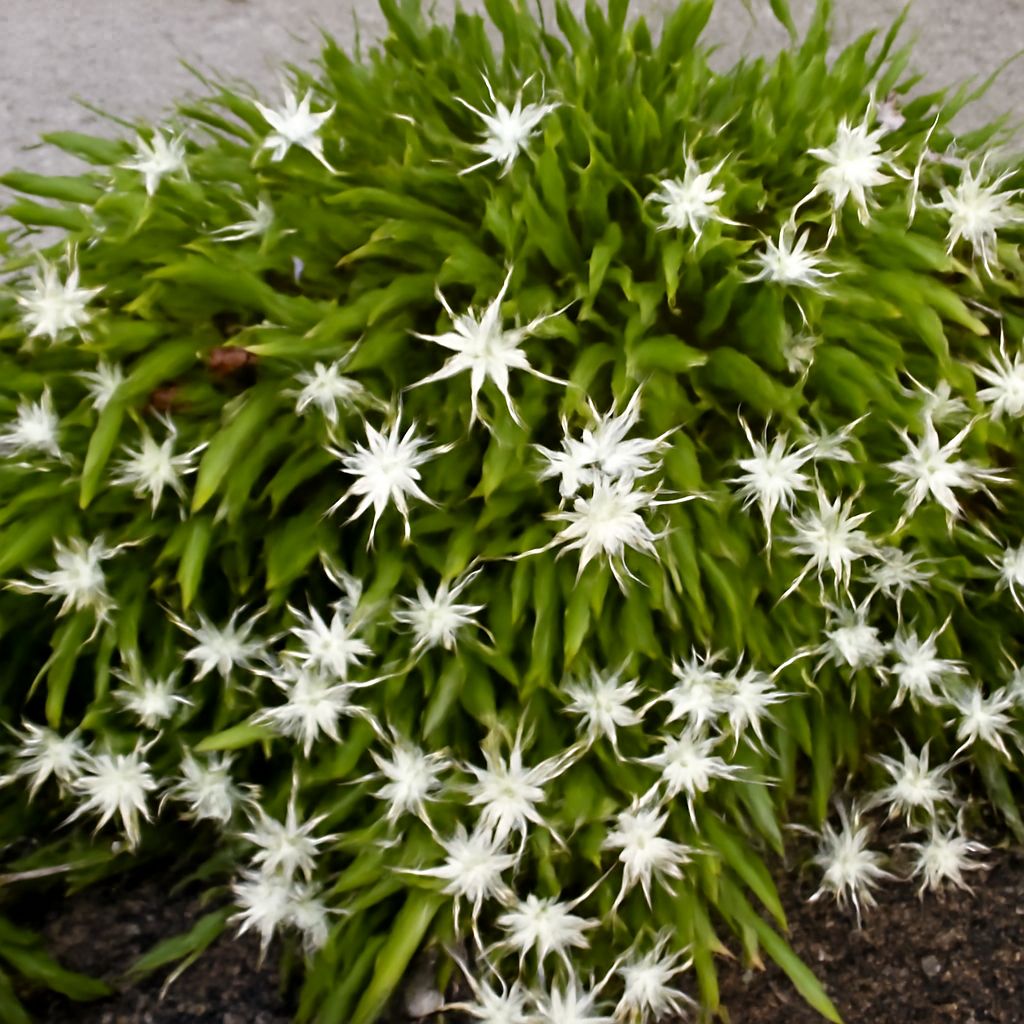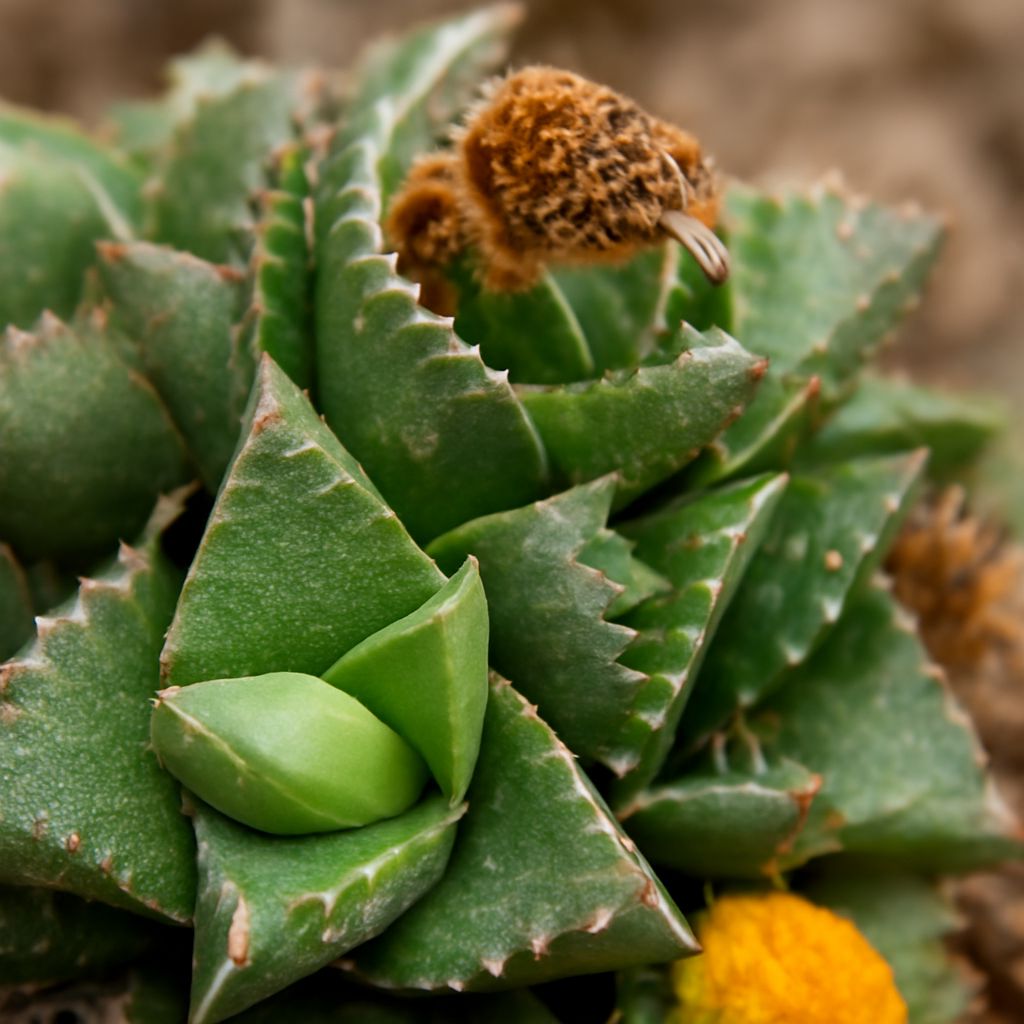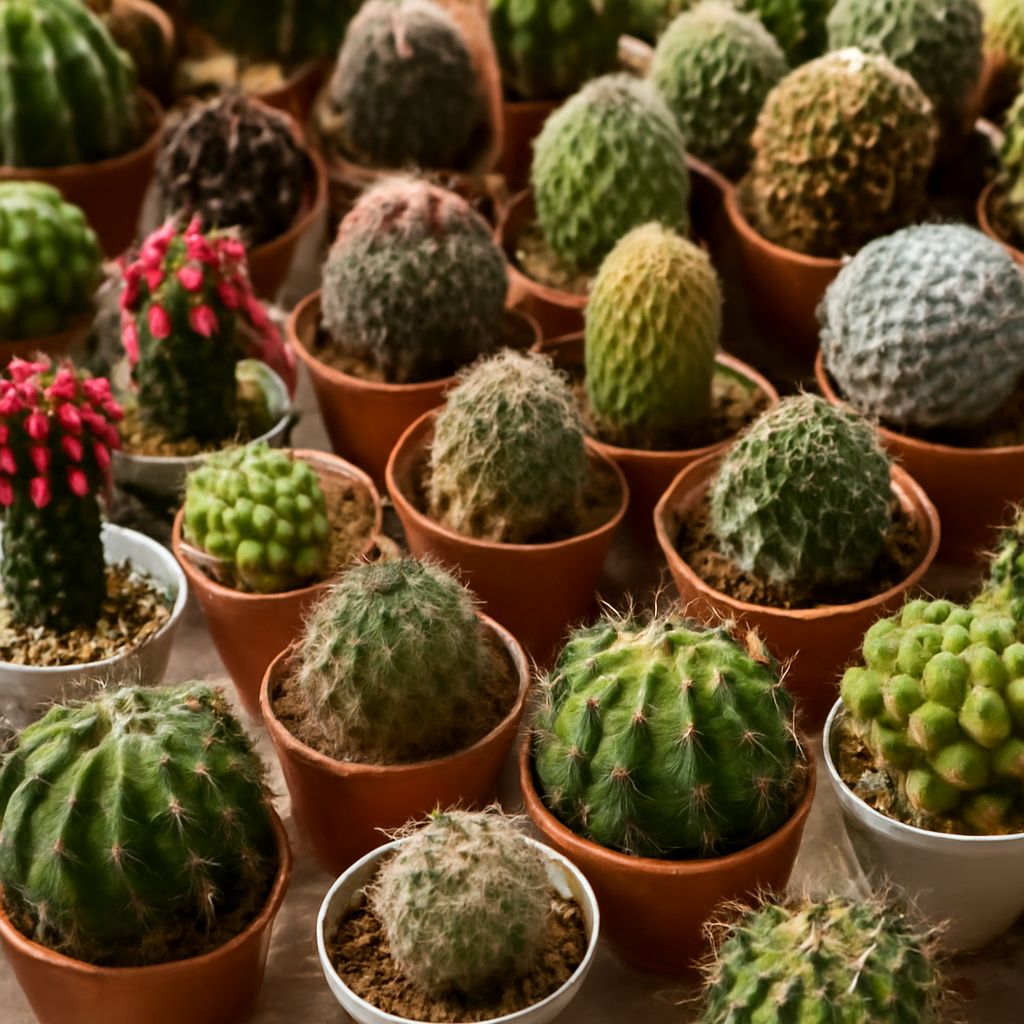
Start with the stem. Flat pads, a tall ribbed column, and a rounded barrel point toward different cactus groups. Then look at the small cushions where spines and flowers emerge, and note the flower’s position if the plant is in bloom.
Names for cacti often describe their shape or flowering season, but common labels can overlap. A desert-grown cactus and a forest cactus may both flower beautifully while looking quite different the rest of the year. Use the botanical name alongside visible features when you can.
Cactus desert adaptations and visible clues
For a cactus, desert heat and irregular rain favor features such as thick water-storing stems and a reduced leaf surface. Ribs or joints give the plant its shape, while spines grow from small structures called areoles. Areoles are a helpful feature when distinguishing cacti from other succulent plants with similar outlines.
Look without touching. Some species carry long, conspicuous spines; others have tiny barbed bristles that can lodge in skin. Photograph the whole plant and a close view of its stem and areoles. Record its size and whether it grows as a single stem, a clump, or a branching plant.
Cactus names are most useful when paired with several traits. A cactus name on a nursery tag can describe its mature form; a young column may not yet have branches, and flower color can vary among related plants. A label or photograph of a flower can narrow the options, but a single feature rarely settles the species on its own.
Flat pads: prickly pears
Prickly pears belong to Opuntia, a large genus with many species. The common name for this cactus group does not identify a single species. These desert cacti commonly have flattened, oval pads on their jointed stems. Look for areoles arranged across the pads; some have large spines as well as fine bristles called glochids. Flowers often appear near the edge of a mature pad.
An Opuntia can spread into a low clump or develop a larger branching form, depending on species. Note pad size, spine pattern, flower color, and where the plant grows. These details help separate similar-looking prickly pears, though a local field guide or expert may be needed for a confident species name.
A blooming prickly pear is a flowering cactus plant as well as a plant of dry landscapes. Its flowers are seasonal, so identify the pad and areole pattern even when no petals are visible. Avoid handling fallen pads or fruit with bare hands because glochids can be hard to see.
Rounded and columnar desert plants
Barrel cacti have rounded or cylindrical stems with distinct ribs and groups of spines along them. Several genera have barrel-shaped members, so the word “barrel” describes a habit rather than one precise species. Flower color, spine shape, and the position of flowers near the crown can help narrow the identification.
The botanical name of the saguaro is Carnegiea gigantea. This cactus begins as a column and may eventually produce large upright branches. Mature examples are much taller than the small specimens sold in pots. White flowers appear near the upper stems; a young plant without branches should not be identified by shape alone. University of Arizona Extension describes its spines and other identifying details.
Other columnar desert cacti branch from the base or have a different arrangement of ribs and spines. Compare a photograph with a regional botanical source and check the plant’s origin. If it is growing in a pot far from its native range, the location of the garden alone will not identify it.
Forest cacti with showy flowers
Not all cacti come from dry desert ground. Holiday cacti grow naturally in forest settings and have flattened, jointed stems that can hang over a pot. Their stems lack the broad pads of a prickly pear, and these flowering cactus plants bear colorful blooms at the ends of the segments.
Thanksgiving cactus, Schlumbergera truncata, has pointed, tooth-like projections along its stem segments. Christmas cactus, commonly listed as Schlumbergera × buckleyi, has more rounded, scalloped edges. Bloom time offers a clue, but sales labels and growing conditions can shift the apparent season. North Carolina State Extension recommends comparing the stem segments.
A cactus flower plant such as a Thanksgiving cactus bears blooms at the tips of its segments. Look at the segment beneath the flower as well as the petals: the combination tells you more than flower color alone. Hybrids can blur the usual differences, so treat an uncertain label as a starting point for comparison.
Read the label against the plant
Compare cactus names with what is actually visible: stem form, areoles, spine arrangement, and where flowers arise. A labeled desert cactus with round ribs and a crown of blooms suggests a different group from a hanging forest cactus with toothed segments. Photograph the flower from the side and the front if it opens only briefly.
If the tag gives only a common cactus name, ask the grower for the genus and species or compare your photographs with a botanical garden or extension database. For a flowering cactus plant with an incomplete label, record both the name on the pot and the features you can see. Keep the identification at genus level when the evidence does not support a species.