When we think of specialty garden retreats, images of vibrant blooms or fragrant herbs often spring to mind. Yet, there’s a persistent myth that fern gardens are simply muted green patches—monotonous, lacking flair, and only for deep shade lovers. In reality, fern garden design offers one of the most versatile and visually captivating specialty garden experiences. With thoughtful planning, ferns can create a lush, textured tapestry, transforming overlooked corners into tranquil sanctuaries.
As we dive into the world of specialty garden creation, it’s time we bust another misconception: you don’t need a dense forest or constant shade to succeed with ferns. There’s a fern for nearly every situation, and pairing the right varieties with smart design principles makes these gardens not only enchanting but surprisingly easy to maintain. Let’s explore how to make your own fern retreat, suited to both classic woodland feels and modern outdoor spaces.
What Makes a Fern Garden Unique
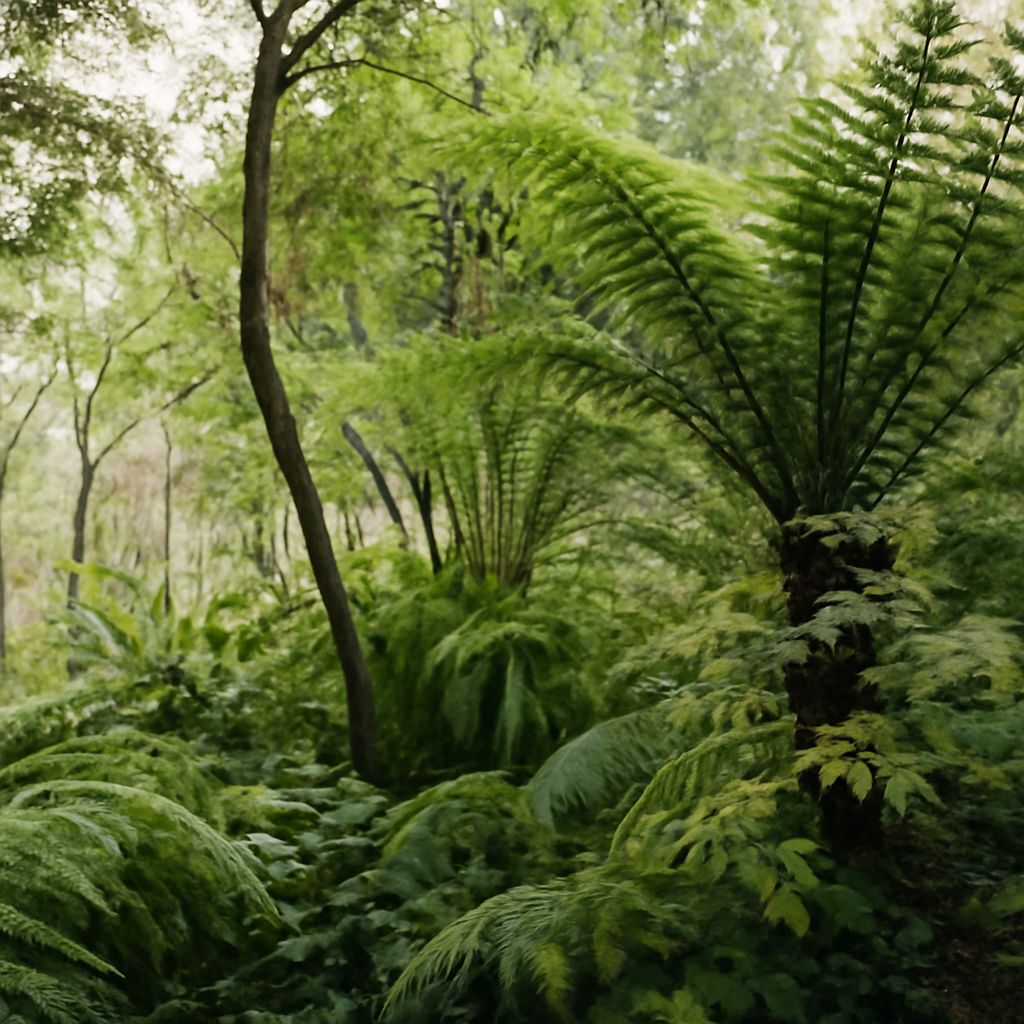
Fern garden design stands out in the specialty garden world for its emphasis on texture and subtle color variation. Unlike bold-flowering plants, ferns shine through their intricate fronds, unique forms, and the gentle movement they bring to a landscape. We find that a dedicated fern garden feels both ancient and innovative, echoing forest floors yet suiting contemporary tastes.
The magic of a fern garden comes from its layers. We can combine ground-covering ferns with taller, arching species to create depth, leading the eye through the space. Many ferns thrive in the filtered light beneath trees, but some varieties tolerate more sun or even container living, making them adaptable to many garden styles.
Another distinctive feature is how a specialty garden built around ferns supports the ecosystem. Ferns prevent soil erosion, improve air quality, and provide shelter for beneficial insects. Their resilience ensures that, with minimal intervention, the garden remains vibrant throughout the seasons, even when other plants fade.
Finally, a fern garden evokes a sense of tranquility that’s hard to match. The gentle greens, softly rustling foliage, and organic forms invite us to slow down and appreciate nature’s details—an essential quality in any specialty retreat.
Choosing Ferns for Your Garden
Selecting the right ferns is the cornerstone of fern garden design. With thousands of species available, our choices depend on the site’s light, moisture, and size constraints. We usually recommend starting with hardy favorites like Lady Fern (Athyrium filix-femina) or Japanese Painted Fern (Athyrium niponicum), which deliver both resilience and striking visual appeal.
For shaded specialty garden areas, options such as the Christmas Fern or Ostrich Fern thrive without fuss. In slightly sunnier or drier spots, try Holly Fern (Cyrtomium falcatum) or the adaptable Autumn Fern. Mixing evergreen and deciduous varieties ensures year-round structure and interest.
We should also consider growth habits. Clumping ferns tend to stay put and form tidy mounds, perfect for borders or path edges. Spreading ferns, like Bracken, can fill larger areas with lush foliage, but may need containment in smaller spaces. Combining these types lets us build dynamic plant groupings that change subtly through the seasons.
For container specialty gardens or patios, try compact ferns like Button Fern or Asplenium. These tolerate the extra warmth and variable moisture of pots, and let us move our fern displays as needed throughout the year.
Design Principles for Fern Gardens
Effective fern garden design relies on understanding texture, form, and contrast. Ferns naturally group well with other shade-loving plants—think hostas, heucheras, or woodland wildflowers—to provide color accents and seasonal blooms. We like to use ferns as a soft backdrop, allowing those companions to shine.
Layering is key. Place taller fern varieties toward the back or center of a bed, with mid-sized and dwarf forms cascading outward. This approach creates a natural, flowing effect and maximizes visual interest. In a specialty garden setting, we love to curve paths through dense fern plantings, so visitors feel immersed in greenery from every angle.
Contrasts in leaf shape and color can elevate a fern garden. Pairing the fine, lacy foliage of Maidenhair Fern with the bold fronds of Shield Fern introduces drama without overwhelming the eye. Interspersing silver, red, or golden-hued ferns adds subtle pops of color—especially effective in shaded spaces where flowers are limited.
Finally, use hardscape features like rocks, logs, or shade structures to anchor the garden. These elements mirror the natural environments ferns thrive in and provide visual rhythm throughout the year, even as the garden’s foliage shifts with the seasons.
Planting and Care Tips
The success of any specialty garden depends on smart planting and consistent care. For ferns, preparation begins with soil. We recommend rich, well-drained soil with plenty of organic matter—think leaf mold, compost, or fine bark. Mulching helps retain moisture and keeps roots cool, a must for most fern species.
When planting, space ferns so their mature fronds won’t crowd one another. This prevents disease and allows air to circulate. We usually water thoroughly after planting, then maintain steady moisture, especially during the first growing season. Once established, many ferns are surprisingly tolerant of dry spells.
Fertilizing is rarely needed for a thriving fern garden design if the soil is rich. If growth seems slow, use a balanced, dilute fertilizer in early spring. For specialty garden containers, regular watering and occasional feeding keep plants vibrant and lush.
Pruning is simple: trim away brown or tattered fronds in late winter or early spring to allow new growth to take center stage. Removing debris also reduces pest issues and keeps the garden looking pristine.
Enhancing Your Fern Garden
Transforming a collection of ferns into a true specialty garden retreat means adding features that heighten the sensory experience. We often install winding paths from gravel or stepping stones, guiding visitors through dense plantings and inviting exploration. Benches nestled among tall ferns provide calming spots to pause and take in the surroundings.
Water features—like small fountains or shaded pools—complement the serene feel of a fern garden. The movement and sound of water echo the gentle swaying of fronds, amplifying the retreat’s peaceful quality. Lighting can also play a big role; soft, indirect garden lights highlight fern shapes and textures after dusk.
Artistic touches, such as driftwood sculptures or moss-covered stones, reinforce the woodland atmosphere and set a specialty garden apart from ordinary shade beds. We encourage experimenting with containers, tiered plant stands, or vertical plantings to adapt fern gardens to patios and small spaces, expanding their appeal beyond traditional landscapes.
By layering these enhancements with attentive plant care, we ensure our fern garden design remains a source of inspiration and relaxation for years to come—no matter its size or setting.
Troubleshooting Common Issues
Even with careful planning, challenges can arise in specialty gardens. Ferns may show yellowing fronds if soils are too alkaline or moisture is inconsistent. We address this by testing soil pH and applying amendments like peat moss or leaf mulch as needed to keep conditions slightly acidic and evenly damp.
Slugs and snails sometimes target tender new growth. We place barriers of crushed eggshell or use organic slug bait to protect young ferns, especially during spring. Overcrowding can also lead to fungal issues; thinning out dense plantings and improving airflow usually solves the problem quickly.
Sunburn or scorched fronds often mean too much direct sun, especially during hot afternoons. Relocating sensitive species to shadier spots or providing dappled shade with structures or taller companions helps minimize this risk. For container ferns, it’s easy to move pots as seasons change.
By observing our fern garden design closely throughout the year, we catch issues early and keep our specialty garden thriving. Adjusting plant placement, soil, or moisture levels as needed ensures that the beauty and calm of our fern retreat endures—and continues to delight season after season.