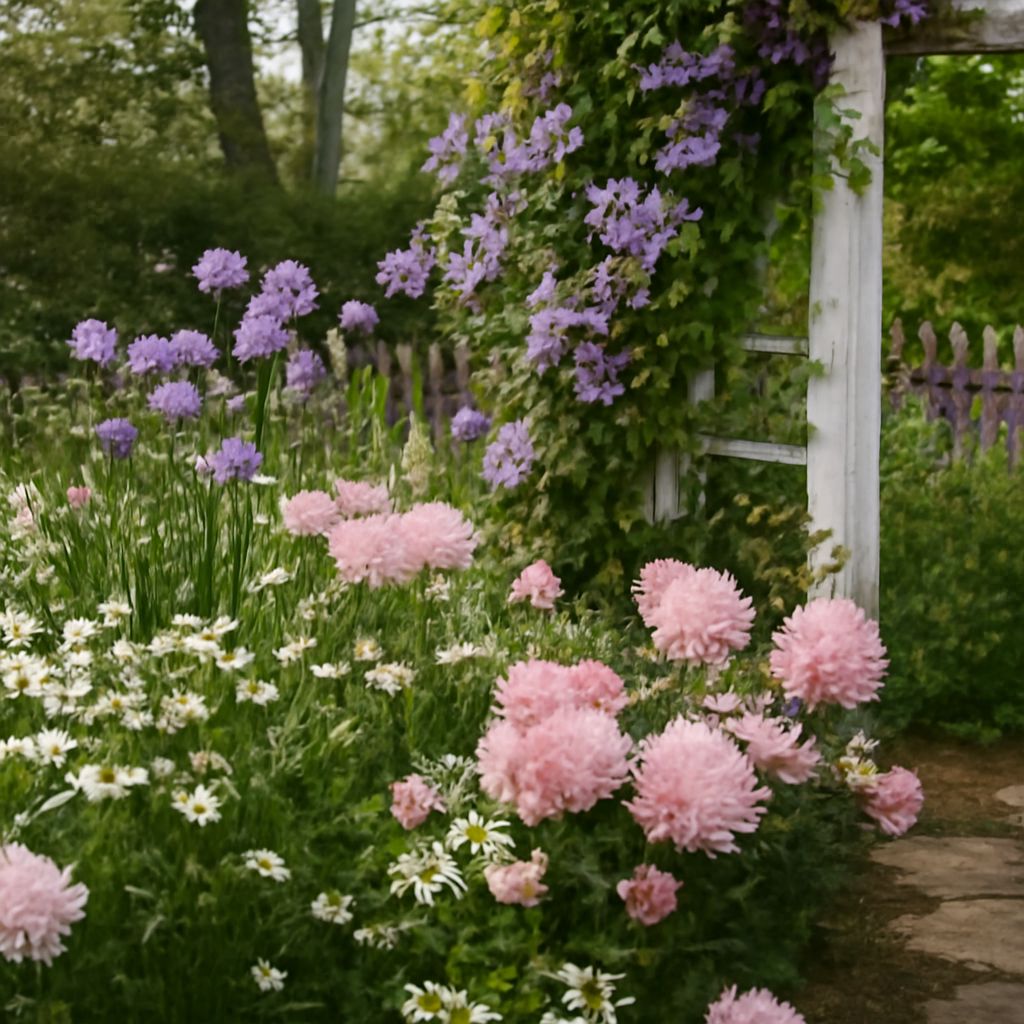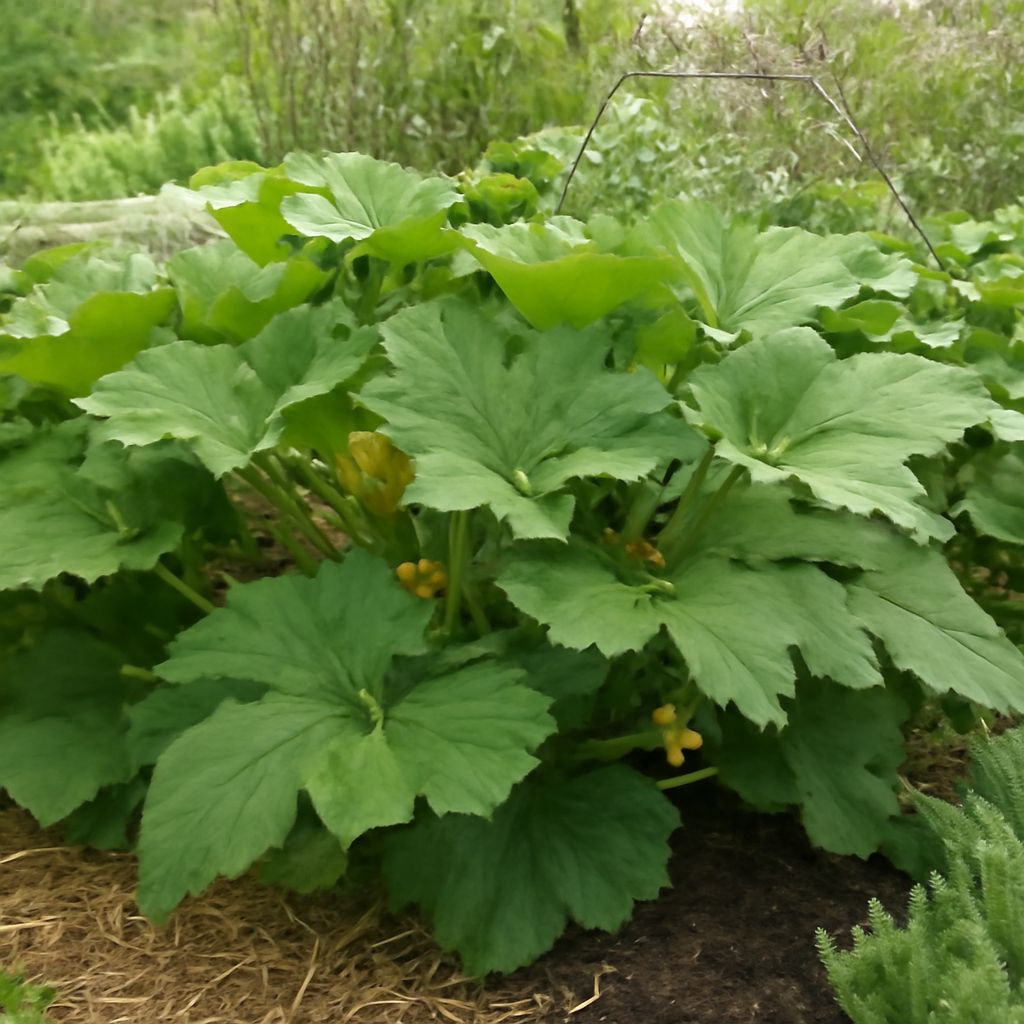
When we think of squash gardens, many of us picture sprawling vines and an unruly patch of vegetables. However, designing a squash garden doesn’t have to mean sacrificing aesthetics. With the right planning and attention to detail, a squash garden can be a stunning addition to any specialty garden space. Let’s explore how to transform your garden vision into a reality by choosing the perfect squash varieties, planning an effective layout, and maintaining a thriving environment.
Introduction to Squash Gardens
Squash gardens can be both productive and beautiful. By integrating various squash types and designs, we can create a visually appealing and functional garden. From the vivid hues of summer squash to the robust shapes of winter varieties, the opportunities for creativity are endless. Let’s delve into the essentials of squash garden design.
Choosing the Right Squash Varieties
When selecting squash varieties, consider the climate and space. Summer squash, like zucchini, is ideal for warmer climates and smaller gardens. On the other hand, winter squash varieties, such as butternut and acorn, require more space and a longer growing season.
Understanding the growth habits of each type can help us plan more effectively. For example, while bush varieties are compact, vining types will need ample room to spread. By choosing the right squash varieties, we can better accommodate our garden’s size and climate conditions.
Planning Your Squash Garden Layout
Designing an efficient layout is crucial for a successful squash garden. Arrange plants with enough space for air circulation and sunlight exposure. This helps prevent pests and diseases. Consider companion planting to enhance growth and deter unwanted insects.
Raised beds or trellises can elevate the aesthetics and functionality of your squash garden. These structures not only save space but also make harvesting easier. A well-thought-out layout ensures that our squash garden remains both productive and attractive.
Planting and Growing Techniques
Soil Preparation
Healthy soil is the foundation of any successful garden. Ensure the soil is well-draining and rich in organic matter. We recommend adding compost or well-rotted manure before planting to provide essential nutrients.
Watering and Fertilization
Consistent watering is key to healthy squash plants. Water deeply at the base to avoid wetting the foliage. Fertilize every few weeks with a balanced organic fertilizer to boost growth and fruit production.
By using these planting and growing techniques, we can ensure that our squash garden thrives from seed to harvest.
Maintaining Your Squash Garden
Regular maintenance is vital to keep our squash garden flourishing. Monitor plants for signs of pests like squash bugs and vine borers. Hand-picking and using natural insecticides can help control these issues.
Pruning is another essential task. Remove dead or diseased leaves to improve air circulation and light penetration. These simple maintenance practices will keep our squash garden healthy and productive.
Harvesting and Storing Squash
Harvesting squash at the right time ensures the best flavor and texture. Summer squash should be picked when they are small and tender. For winter varieties, wait until the skins are hard before harvesting.
Proper storage extends the life of your harvest. While summer squash can be stored in the refrigerator for a short period, winter squash thrives in cool, dry places for months. By mastering harvesting and storing squash, we can enjoy the fruits of our labor long after the growing season ends.