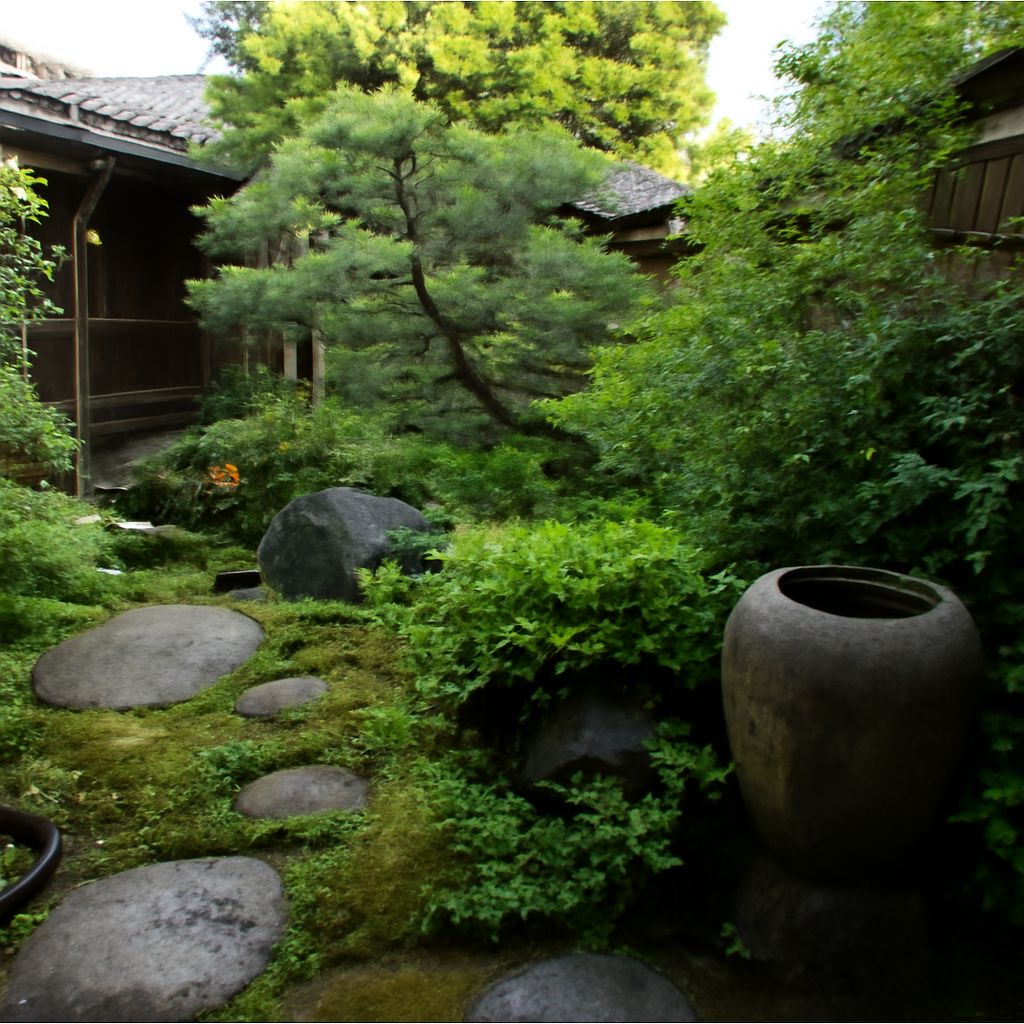
When we think of traditional Japanese garden design, many of us picture serene koi ponds and meticulously raked Zen gardens. But are these iconic images all there is to this ancient art form? Let’s delve into the myths surrounding Japanese gardens and discover the diverse styles and ideas that contribute to their timeless appeal. If you’ve ever wondered whether you need a large space or a hefty budget to create your own traditional Japanese garden, you’re in for a surprise.
By understanding the key elements and traditional styles of Japanese gardens, we can uncover the secrets to crafting our own tranquil oasis. Whether it’s a sprawling landscape or a cozy courtyard, the principles of Japanese garden design can be adapted to fit various settings. Join us as we explore the styles and ideas that define this captivating art form.
Introduction to Japanese Gardens
Japanese gardens are more than just beautiful spaces; they are a reflection of Japan’s deep cultural and philosophical roots. They blend natural elements with artistic composition to create harmony and tranquility. From the lush greenery to the strategic placement of rocks and water features, these gardens offer a serene escape from the chaos of daily life.
Each garden is designed to evoke specific moods and experiences, drawing upon elements like balance, simplicity, and asymmetry. By focusing on nature’s innate beauty, Japanese gardens create a peaceful environment that invites contemplation and reflection.
Key Elements
The core of traditional Japanese garden design lies in its key elements. Water features, such as koi ponds and streams, symbolize life and renewal. These elements are often complemented by carefully chosen plants and stones that reflect the changing seasons. Cherry blossoms, bamboo, and moss are common choices that add texture and color.
Pathways are essential for guiding visitors through the garden, offering different perspectives and experiences. These paths might be simple stepping stones or more elaborate gravel trails. Lanterns and bridges add architectural interest, enhancing the garden’s aesthetic while serving practical purposes.
Traditional Styles
Japanese gardens come in several traditional styles. The Zen garden, or karesansui, emphasizes simplicity and meditation with its minimalistic use of sand and rocks. This style fosters a sense of peace and clarity, making it a popular choice for small spaces.
Conversely, the tea garden, or roji, is designed to prepare visitors for the tea ceremony. It often features winding pathways, rustic gates, and intimate seating areas. These gardens focus on natural beauty and the art of hospitality, creating a welcoming atmosphere.
Design Inspirations
When planning a traditional Japanese garden, inspiration can be drawn from famous historical gardens. The Ryoan-ji garden in Kyoto is a prime example of a Zen garden, known for its mysterious rock formations and raked gravel. Meanwhile, the Katsura Imperial Villa showcases the elegance of a stroll garden, where visitors meander through varied landscapes.
We can also look to modern interpretations of Japanese gardens, where designers blend traditional elements with contemporary aesthetics. These gardens might incorporate modern materials or integrate sustainable practices while maintaining the essence of Japanese design.
Creating Your Own Garden
Creating a traditional Japanese garden may seem daunting, but it can be accomplished with careful planning and creativity. Start by considering the space available and how the key elements can be incorporated. Even a small courtyard can be transformed with a Zen corner or a miniature koi pond.
Choose plants that thrive in your climate and reflect the seasons, such as maples for autumn color or azaleas for spring blooms. Use stones and water thoughtfully to create balance and movement. Don’t forget the pathways, which can be a simple yet effective way to guide visitors through your garden’s narrative.
Lastly, remember that a Japanese garden is not a static creation; it’s an evolving space that changes with time. By embracing the principles of simplicity and harmony, we can create a garden that brings peace and beauty to our daily lives.
Bottom line: Traditional Japanese garden design is an art form that combines natural beauty with thoughtful composition. By understanding its key elements and styles, we can craft a garden that offers tranquility and inspiration, regardless of space or budget.