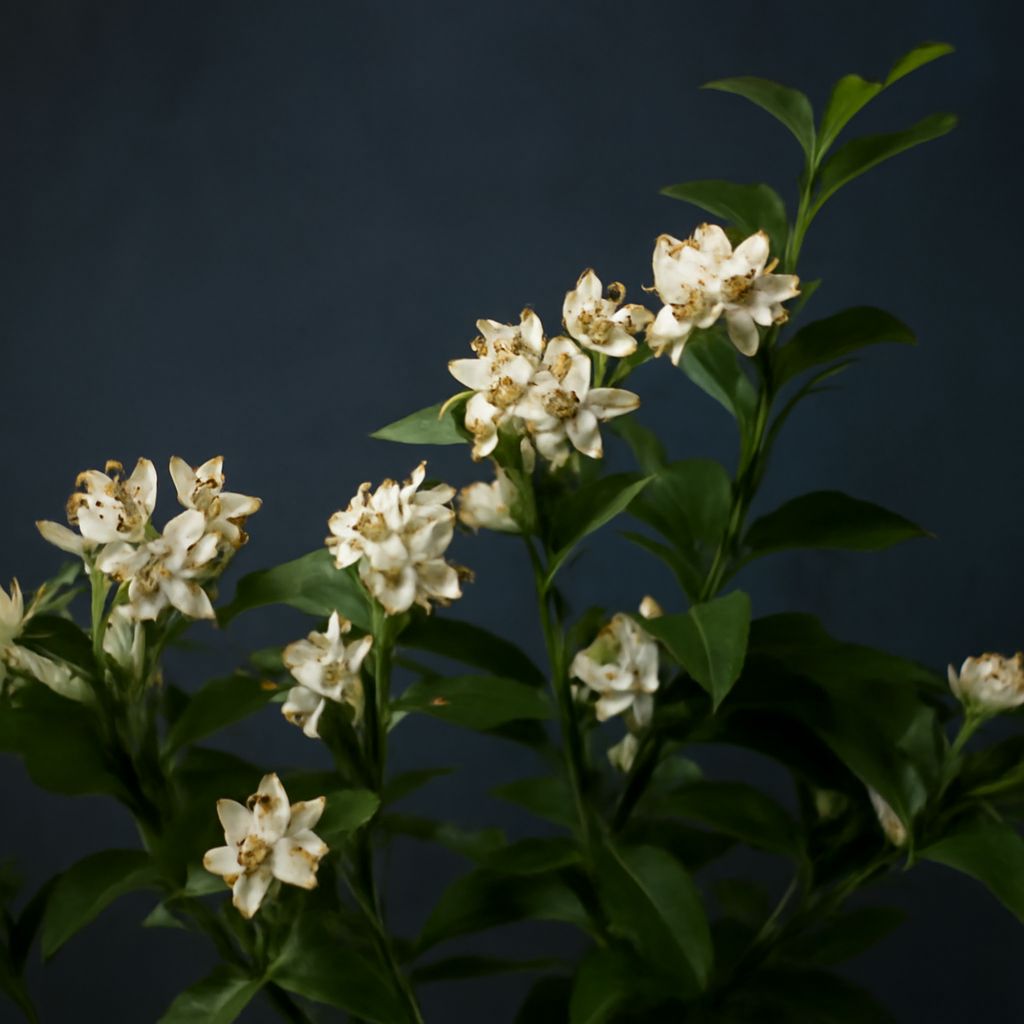
When we think of gardens, our minds often wander to vibrant blooms basking under the sun’s warm glow. However, there’s a magical realm of gardening that comes alive when most flowers have tucked in for the night. Enter the enchanting world of the moon garden. A moon garden is a specialty garden specifically designed to be enjoyed in the evening. This unique approach to landscaping relies on plants with white or pale blooms and silver foliage, which glow under moonlight, creating an ethereal beauty that daytime gardens can’t replicate. If you’ve ever believed that gardens are meant solely for daytime enjoyment, it’s time to rethink that notion.
Moon gardens invite us to experience nature’s tranquility under the serene light of the moon. These gardens offer a chance to unwind and connect with nature after a long day, enveloped in calming scents and subtle glows. Let’s explore how to bring this nighttime paradise to life in your own backyard.
Introduction to Moon Gardens
Moon gardens are not a new concept; they have been cultivated for centuries, drawing inspiration from cultures that value nighttime beauty and relaxation. The idea is simple: create a space that thrives in the subdued and often overlooked nighttime hours. By choosing the right plants and design elements, we can transform our gardens into mesmerizing sanctuaries that captivate the senses long after the sun has set.
Essential Plants for Moon Gardens
When selecting plants for our moon garden, we focus on those with pale blooms or foliage that reflect moonlight. Some favorites include the white evening primrose, night-blooming jasmine, and the ethereal angel’s trumpet. These plants release their fragrances at night, adding another layer of allure to the garden.
Silver-foliaged plants like lamb’s ear and dusty miller also play a vital role in a moon garden, as their leaves shimmer in low light. Incorporating these plants twice in our design ensures a lush, luminous landscape that dances with the moon’s gentle glow. Remember to choose varieties that thrive in your local climate to ensure a thriving nighttime oasis.
Designing Your Moon Garden
Choosing the Right Location
Location is key when setting up a moon garden. Ideally, we should choose a spot with open access to the night’s sky, free from the shadows of buildings or trees. This allows moonlight to flood the garden, enhancing the reflective qualities of our plant selections. A space near a patio or seating area can make the garden more accessible for nighttime enjoyment.
Incorporating Water Features
Water features add a soothing ambiance and further enhance the moon garden’s reflective characteristics. A small pond or a simple water fountain can mirror the moon’s light, creating captivating patterns and sounds. These features also serve as focal points, drawing the eye and adding depth to the garden’s design.
Lighting and Accessories
While moonlight is the main protagonist in a moon garden, subtle lighting can accentuate its beauty. Soft, solar-powered lights can outline pathways or highlight specific plants, enhancing their natural glow. Accessories like reflective surfaces or light-colored stones can also be strategically placed to maximize light play and create an inviting atmosphere.
Benefits of Having a Moon Garden
Moon gardens offer numerous benefits beyond their visual appeal. They provide a space for relaxation and contemplation, allowing us to unwind surrounded by nature’s gentle whispers. The fragrances released by night-blooming plants can also have calming effects, promoting well-being and mental clarity.
Furthermore, moon gardens attract a host of nighttime pollinators, such as moths and bats, contributing to local biodiversity. By creating a haven for these creatures, we support ecological balance and foster a healthier environment.
Maintenance Tips for Nighttime Gardens
Maintaining a moon garden requires attention to detail, but the reward is an ever-enchanting landscape. Regular pruning ensures that plants remain healthy and vigorous, while deadheading faded blooms encourages continuous flowering. Additionally, we should monitor water features for any build-up or algae, keeping them clean and functional.
Because these gardens are enjoyed at night, it’s crucial to plan maintenance tasks during the day when visibility is better. Regular weeding and soil checks help sustain plant health and garden aesthetics, ensuring that the moon garden remains a captivating sanctuary.