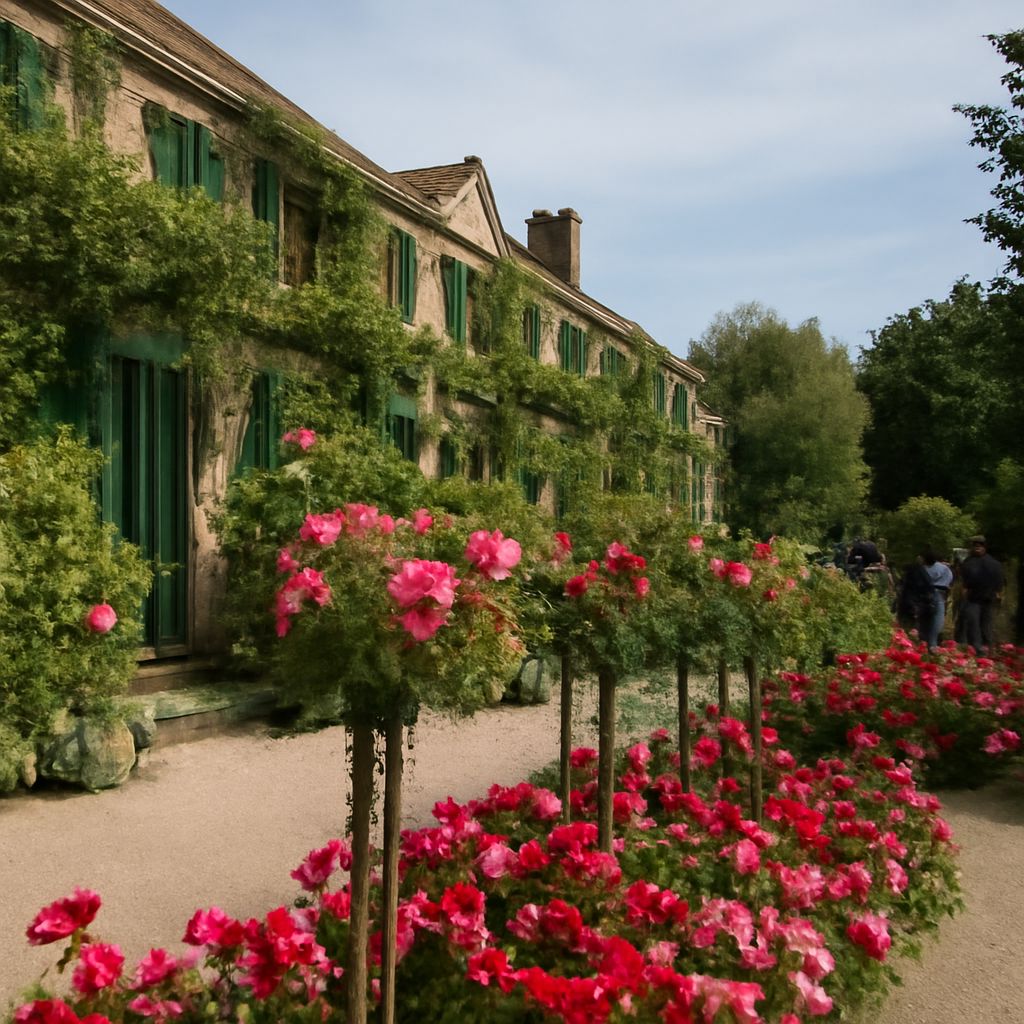
When we think of Claude Monet, vivid images of his paintings often come to mind. However, a lesser-known fact is that the Claude Monet Garden in France is more than a backdrop; it’s a work of art in itself. Often, people are surprised to discover that Monet was as passionate about gardening as he was about painting. In this article, we’ll explore how Monet’s Garden France reflects the stunning interplay of design and nature that inspired many of his masterpieces.
Many visitors are drawn to Monet’s Garden expecting a simple stroll through a picturesque landscape, but they are soon captivated by the vibrant colors and serene landscapes that seem to leap straight from his canvases. Visiting Monet’s Garden is not just about walking through a beautiful setting; it’s about experiencing the living palette that influenced Monet’s artistic vision.
Introduction to Monet Garden
Monet’s Garden, nestled in the charming village of Giverny, is a testament to the artist’s dual passions—art and nature. Spread over two main parts, the flower garden, called Clos Normand, and the Japanese-inspired water garden, each section reflects a distinctive aspect of Monet’s artistic style. This garden served as a living canvas for Monet, who meticulously planned each plant and color combination.
The History of Claude Monet’s Garden
The history of Claude Monet’s Garden traces back to 1883 when the artist settled in Giverny, France. Monet and his family moved into the picturesque house surrounded by orchards and fields. Over time, he transformed the existing land into the renowned garden we see today. Monet designed the garden with the intent to capture the changing light and seasons, which played a crucial role in his impressionistic works.
Initially, Monet focused on the Clos Normand, a vibrant flower garden laid out in front of his house. Later, he acquired a piece of land across the road to create the Japanese water garden, inspired by the prints of Japanese artists that Monet collected. These gardens became the focus of much of his work in the later years of his life.
Design Elements of Monet’s Garden France
The design elements of Monet’s Garden France are a harmonious blend of color, texture, and light. The Clos Normand is a spectacle of flower beds laden with various perennials, annuals, and biennials, creating a vibrant tapestry of color. Monet’s use of color is intentional, with warm and cool hues carefully juxtaposed to create depth and movement within the garden.
The water garden features Monet’s iconic lily pond, surrounded by weeping willows and a Japanese bridge painted in the artist’s favorite shade of green. This part of the garden is designed to reflect tranquility and contemplation, with water lilies floating serenely on the pond’s surface. Here, the reflections of the sky and foliage create an ever-changing natural artwork.
Visiting Monet’s Garden: Tips and Insights
Visiting Monet’s Garden is a must for art and nature lovers alike. To make the most of your visit, consider planning your trip between April and October, when the garden is in full bloom. Arriving early in the morning or late in the afternoon will allow you to experience the garden with fewer crowds.
When exploring Monet’s Garden France, take your time to wander through the vibrant flower gardens and the serene water garden. Each path and perspective offers a new sight, much like viewing different paintings. Be sure to visit the artist’s house, where you can see his studio and personal collection of Japanese prints that influenced his garden design.
The Legacy of Claude Monet’s Garden
The legacy of Claude Monet’s Garden endures, not only as a tourist attraction but as a source of inspiration for artists and garden enthusiasts worldwide. Monet’s approach to blending art and nature has influenced garden design techniques that prioritize color harmony and natural beauty over formal structure.
Today, Monet’s Garden continues to be maintained according to his original design, ensuring that it remains a living tribute to the artist’s vision. It serves as a reminder of the deep connection between nature and art, inviting visitors to see the world through Monet’s eyes.
In conclusion, the Claude Monet Garden in France is more than just a tourist destination; it is a living manifestation of Monet’s artistic legacy. By visiting this enchanting garden, we immerse ourselves in the environment that inspired one of the greatest Impressionist painters of all time. May our visit encourage us to appreciate the beauty around us and perhaps inspire our own creative pursuits.
Safety recap: When visiting Monet’s Garden, be mindful of the delicate nature of the plant life and the serene environment. Respect the space by not stepping on flower beds and keeping noise levels low to preserve the tranquility that Monet so carefully cultivated.