When people think of traditional Japanese gardens, they often envision serene landscapes filled with koi ponds, meticulously pruned bonsai trees, and winding stone paths. However, the Storrier Stearns Japanese Garden defies these assumptions, offering a unique blend of historical significance and modern design inspiration. As we explore this fascinating garden, we’ll uncover how it integrates traditional Japanese aesthetics while serving as a muse for contemporary garden styles.
The Storrier Stearns Japanese Garden stands as a testament to the fusion of Japanese design principles and local influences. Far from being just another picturesque location, this garden embodies a rich narrative, showcasing how thoughtful design can transcend cultural boundaries and inspire innovation.
Introduction to Storrier Stearns Japanese Garden
Located in Pasadena, California, the Storrier Stearns Japanese Garden is an exquisite example of Japanese landscape architecture. Crafted in the 1930s by the renowned designer Kinzuchi Fujii, the garden encompasses a rich tapestry of design elements that reflect both the tranquility and complexity of Japanese aesthetics. Its presence offers insight into cultural exchange and the enduring appeal of Japanese design.
The garden’s layout encourages visitors to embark on a journey of discovery, revealing thoughtful compositions and harmonious balance. It’s a place where we can immerse ourselves in the beauty of nature and find inspiration in the intricacies of design.
The Historical Significance
Originally commissioned by Charles and Ellamae Storrier Stearns, the garden was designed to be a private retreat where they could escape the hustle and bustle of daily life. Its inception during the 1930s marks a period when Japanese gardens were gaining popularity in the United States.
Despite its age, the Storrier Stearns Japanese Garden has maintained its historical significance, representing a pivotal moment in cultural appreciation and exchange. We can still see the echoes of Fujii’s vision, which sought to create a microcosm of Japan’s natural beauty within an American setting.
Design Elements and Styles
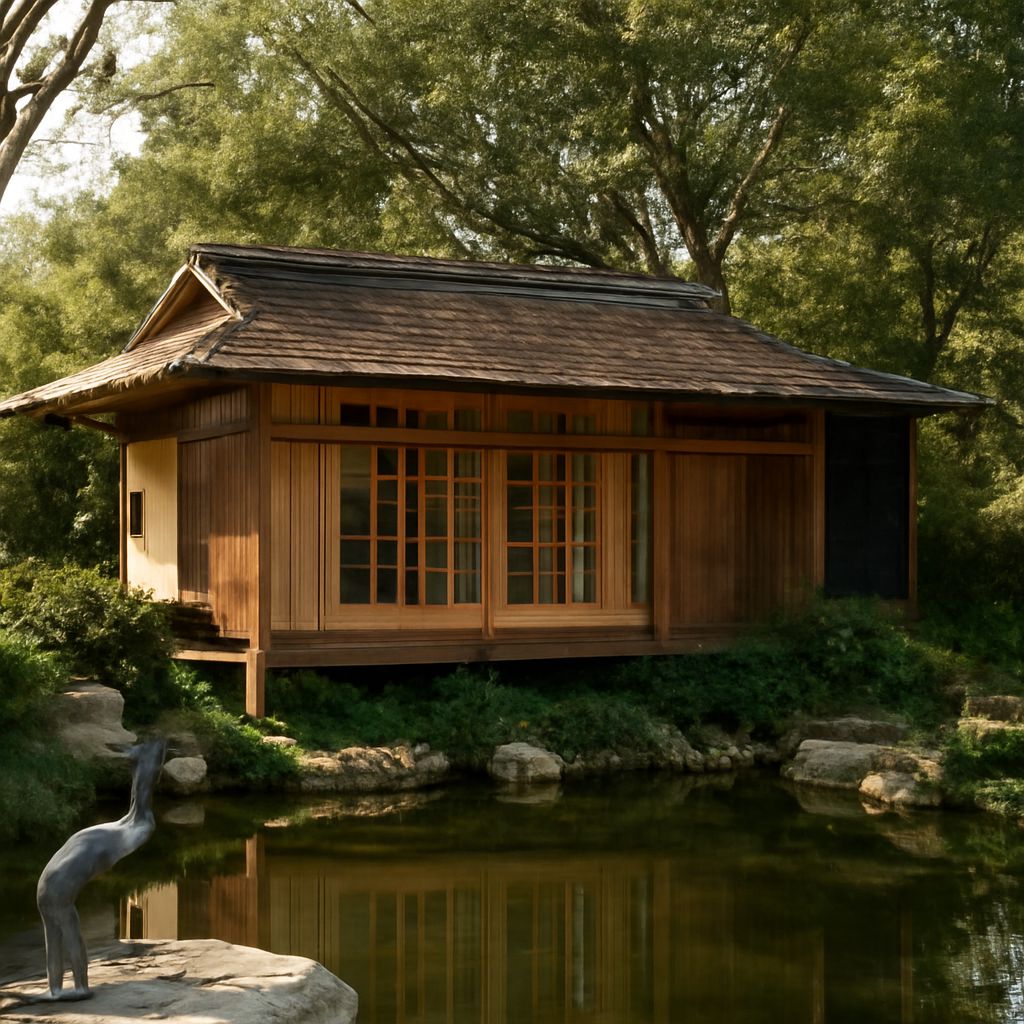
The garden showcases several traditional Japanese design elements, including a central pond, carefully placed stones, and lush plantings that are both peaceful and invigorating. Each feature is meticulously curated to evoke a sense of balance and harmony.
As we walk through the garden, we notice the use of asymmetry, a hallmark of Japanese design that encourages natural flow and movement. This approach contrasts sharply with Western styles, which often prioritize symmetry and order.
Incorporating Japanese Aesthetics
Incorporating Japanese aesthetics into garden design involves more than just selecting the right plants and materials. It requires a deep understanding of space, perspective, and the interplay between elements. The Storrier Stearns Japanese Garden exemplifies this approach, with features that draw the eye and invite contemplation.
Visitors will appreciate the subtle contrasts and transitions within the garden. From the delicate cherry blossoms to the sturdy bamboo groves, each element serves as a reminder of nature’s diversity and the art of careful arrangement.
Visiting the Storrier Stearns Japanese Garden
For those looking to experience the garden firsthand, visiting the Storrier Stearns Japanese Garden is a must. Open to the public, it offers a peaceful escape from the urban environment, allowing us to connect with nature and appreciate the intricacies of design.
Whether you’re a seasoned landscape architect or simply a lover of beautiful spaces, the garden serves as a source of inspiration. Its serene atmosphere encourages relaxation and reflection, making it an ideal setting for creative exploration.
Inspiration for Your Own Garden
Drawing inspiration from the Storrier Stearns Japanese Garden can help us transform our own outdoor spaces. By embracing Japanese aesthetics, we can create environments that are both visually appealing and emotionally soothing.
The garden encourages us to experiment with elements like water features, stone arrangements, and plant diversity. By incorporating these aspects, we can craft gardens that resonate with elegance and tranquility.
Bottom line: The Storrier Stearns Japanese Garden serves as a bridge between cultures, blending traditional Japanese elements with modern design ideas. As we explore this captivating space, we find inspiration to create our own garden masterpieces, celebrating the art of thoughtful design and the timeless beauty of nature.