Start with a supplier’s catalog request page and check whether it mails to your address. Many plant and seed catalogs are free to read or request, though mailing dates and delivery areas vary. A digital garden catalog can be opened immediately; a printed copy gives you pages to mark while you plan the beds.
The examples below were checked in November 2026. A free catalog is an invitation to browse, and ordering seeds or plants is a separate purchase. Before submitting a request, review the current terms and the mailing or email preferences on the form.
Free Gardening Catalogs You Can Request
- Seed Savers Exchange: Request the free 2027 seed catalog for a U.S. address. The organization says mailing begins in late November 2026. Its page also links to a 2027 digital edition, so you can browse heirloom vegetables, herbs, and flowers while waiting. Canadian residents can purchase a catalog; the free mailed offer is limited to U.S. addresses.
- Baker Creek Heirloom Seeds: The 2027 free seed catalog can be requested from its catalog page. Free bulk mailing is offered in the United States; shipping charges apply outside the country. The larger Whole Seed Catalog is a separate paid publication, so select the free edition if that is the one you want.
- NE Seed: The company offers a free growers’ seed catalog by mail within the USA and a 2026 digital catalog to download. Its next scheduled mailing is late December 2026. The form also adds the requester to an email list, with an opt-out available.
- Park Seed: Complete the request form for its free catalog. The company says it can fulfill catalog requests only within the United States. Check the page for the edition and mailing details when you apply.
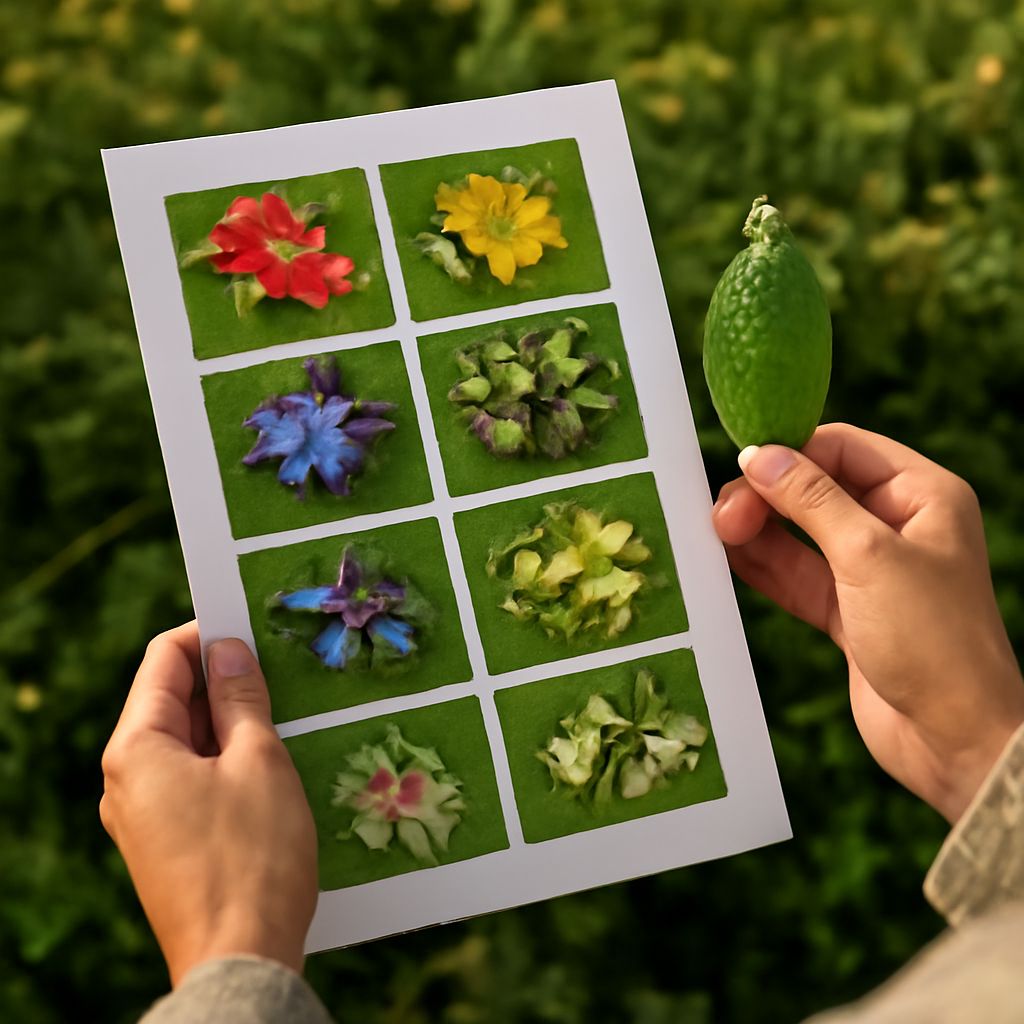
These free plant catalogs focus heavily on seeds, though some companies also list plants or supplies. Choose the publications that match your plans: a vegetable grower may want sowing and harvest information, while a flower gardener may want bloom times and mature heights. Free gardening catalogs from several suppliers make it easier to compare descriptions without depending on a single photograph.
Pick Paper or Digital
A paper catalog is convenient for circling varieties, folding a page, and comparing notes at the kitchen table. Request it before the publisher’s mailing season if you want time to plan. Some companies send catalogs in batches, so a request made today may not produce a copy immediately. Check whether recent customers or past requesters are already on the mailing list before submitting a duplicate.
A digital edition opens quickly and can be searched for a variety or botanical name. Save its link alongside your garden notes, and record the edition year: an older PDF may remain online after stock or prices have changed. If you prefer not to enter a mailing address, look for a public online edition or downloadable file on the supplier’s site.
Free garden catalogs can be useful in either format. Paper makes side-by-side browsing comfortable; a searchable file makes it easy to return to a detail. You can use both when a supplier offers them.
Read the Details Behind the Picture
Begin with your garden’s conditions: hours of direct sun, available bed space, drainage, and the length of your growing season. For perennial plants, compare the stated hardiness range with your location. For vegetables, check days to maturity against the time between planting and the expected end of the season. That number may be measured from sowing or transplanting, so read the catalog’s explanation.
Note the mature height and spread, not just the size of a young plant. A tomato described as indeterminate will need room and support; a compact variety may suit a container better. For flowers, compare bloom season and light needs with the place you have in mind. Write down the botanical and variety names so you can distinguish similar common names later.
Use free gardening catalogs to make a short list, then check current product pages for availability, package size, shipping dates, and any regional restrictions. A catalog printed months earlier may not reflect today’s inventory. Compare prices only after checking how many seeds or what size plant each listing includes.
Keep a Simple Request Checklist
Before you request free plant catalogs, choose the paper or digital format, confirm the edition year, and check that the supplier serves your address. Read the form’s mailing and email choices, then note when the next batch is expected. Once your catalogs arrive, mark the plants that fit your light, space, and season, and verify availability before placing an order.