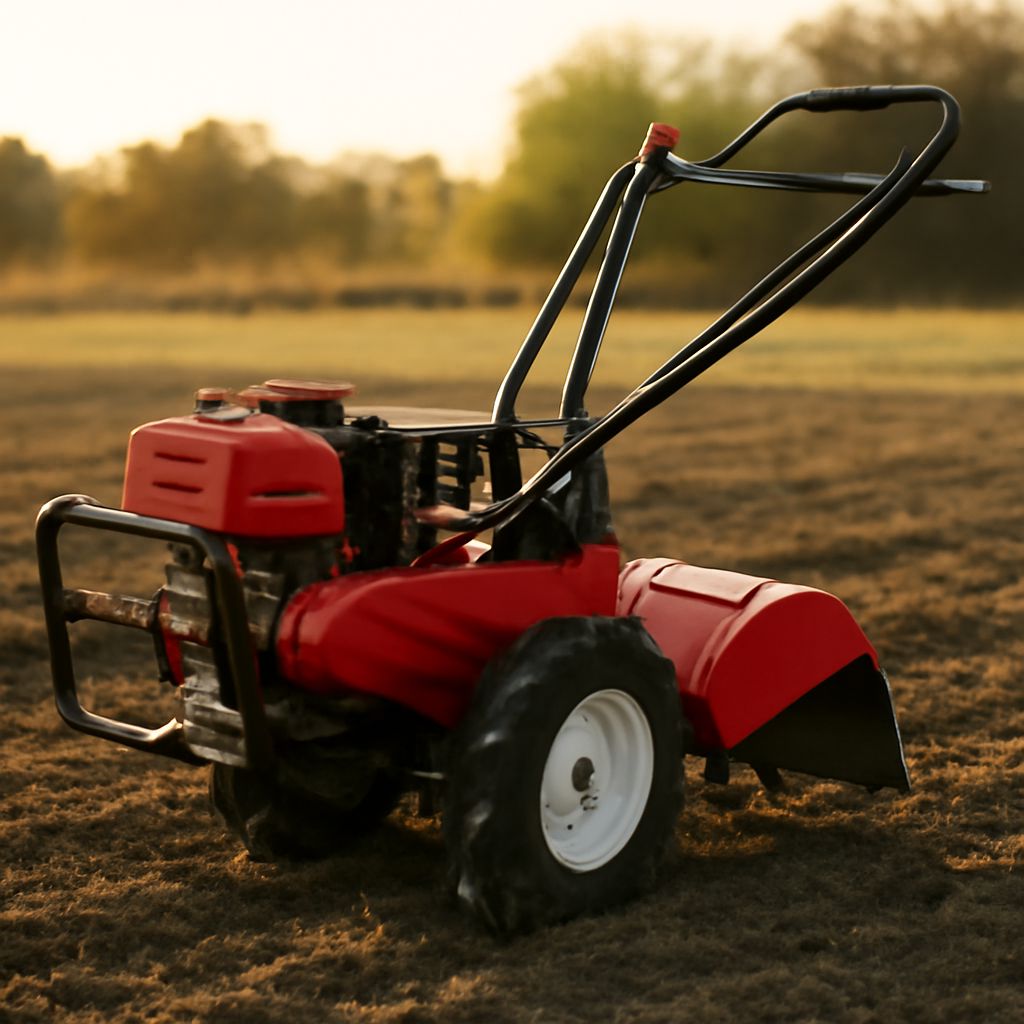
A new vegetable bed needs work for one weekend, but there is little reason to store a machine all year. Hiring a garden tiller lets you match the equipment to that job and return it when the soil is ready. The useful comparison is the full rental cost, including time, transport, and any deposit.
Before calling, measure the bed and note whether you are loosening previously worked soil or breaking new sod. A small cultivator and a heavy rear-tine machine are different tools, with different handling and transport needs.
Garden tiller rental options near you
Where can I rent a rototiller? Start with local equipment rental businesses, home improvement stores with rental departments, and garden equipment dealers. Some community tool libraries or peer-to-peer services may also have machines, although availability, operating instruction, and delivery vary. Call the actual branch or owner to confirm the model and dates rather than relying on a general listing.
A rototiller for rent may be offered by the hour, half day, full day, weekend, or week. Ask when the clock starts and whether the price includes a stated number of engine hours. A low daily rate may be less attractive once a long drive, pickup time, and delivery charge are included.
For a small bed, rent a tiller that you can control comfortably and fit through the gate. Ask the provider for the machine’s working width, weight, and controls. Describe the soil and access route so staff can suggest a suitable model rather than simply the largest one available.
Match the machine to the soil
A lightweight cultivator can loosen an established bed and mix material into soil that is already workable. It is easier to maneuver among tight edges, but may struggle in hard ground or dense sod. A front-tine machine offers another option for moderate work, depending on its size and the operator’s experience.
For a larger area of new sod, a rear-tine tiller may be a better fit. Iowa State University Extension notes that breaking lawn areas often requires a large rear-tine machine. Such equipment is heavier, so ask about handling on slopes and how many people are needed to load it.
Before you rent a garden tiller, inspect the site for stones, roots, irrigation lines, and other obstructions. Call 811 before digging where underground utilities may be present. A tiller is not the answer for every bed: a garden fork or a no-till approach may be more practical around established roots or in a small area.
Book when the ground is workable
Reserve a machine for a period that includes pickup, unloading, the job, cleaning, and return. Spring weekends can be busy, so ask how far ahead to book and what happens if rain prevents the work. A flexible cancellation or rescheduling policy can matter more than a small difference in the quoted rate.
Do not work soil while it is wet. Squeeze a handful: if it forms a ball that stays together when pressed, wait until it crumbles more readily. Iowa State’s soil guidance explains this simple check. Tilling wet ground can leave hard clods and damage soil structure.
When renting a rototiller, allow extra time if you have never used one. Ask for a demonstration of the controls, safe stopping, and the recommended settings for your job. Wear sturdy footwear and eye protection, keep bystanders away, and follow the provider’s instructions. Stop the engine before clearing anything caught in the tines.
Compare the real cost and transport
A garden tiller rental quote may include the base time only. Ask about taxes, deposit or card hold, fuel, cleaning, damage coverage, delivery, and late-return charges. Find out which charges are refundable and what conditions apply. Request the total in writing for the same pickup and return times from each provider.
For example, compare a half-day booking plus delivery with a full-day booking you collect yourself. The shorter period may cost less on paper, but travel and loading can consume the working window. If the soil may need two passes or the site is far from the shop, a longer period can give you room to work without rushing. These are planning examples; actual rates depend on the machine and location.
Ask for the machine’s dimensions and weight before arranging a vehicle. Confirm whether it can travel upright, whether a ramp and tie-downs are needed, and who loads and unloads it. If the machine will not fit safely, obtain a delivery quote. Photograph its condition at pickup and report existing damage before leaving.
Questions to compare rental offers
Whether hiring a tiller for a small garden or booking a heavier machine for new ground, bring each provider the bed dimensions, soil condition, access width, and preferred dates. Then ask:
- Which model fits this job, and what are its working width and weight?
- What is the complete price for my pickup and return times, including tax, fuel, cleaning, delivery, and any coverage?
- Is a deposit required, how is it held, and when is it released?
- Can I reschedule if the soil is too wet, and is there a fee?
- Will the machine fit my vehicle, and are loading help or delivery available?
- What instruction is provided, and whom should I call if the equipment stops working?


