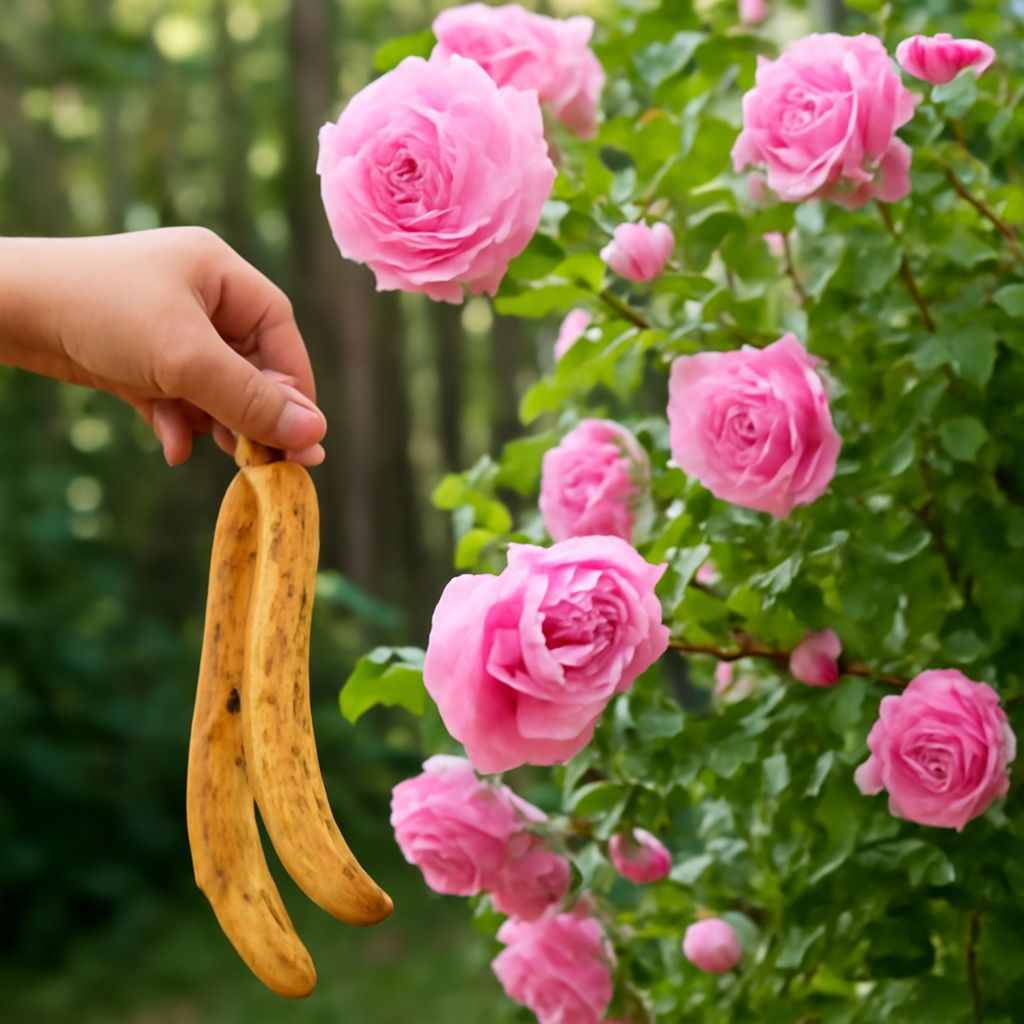
Many of us have heard the claim: “Banana peels are nothing but waste.” Yet, as soil enthusiasts, we know there’s more to this story. Banana peels in garden practices have gained attention, but some still believe it’s a gardening myth. Are banana peels truly a powerful fertilizer, or are we just tossing compost for the sake of tradition?
Let’s debunk the skepticism. Using banana peels in garden soil offers real benefits that go beyond hearsay. We’ll dig into the science, explore practical steps, and share how banana peels act as a natural fertilizer for healthy soil. Join us as we reveal the facts and best gardening methods for this humble kitchen scrap.
Why Banana Peels Work as Fertilizer
Banana peels work as fertilizer because they slowly release valuable nutrients directly into garden soil. Unlike synthetic products, the organic matter in peels feeds soil microbes, supporting ecosystem health. This decomposition process helps improve soil structure and water retention, two essentials for vigorous plant growth.
When we add banana peels to garden beds or compost piles, we’re not just getting rid of kitchen waste. We’re providing a steady supply of minerals that plants need for fruiting and flowering. The slow breakdown ensures that nutrients become available over time, matching the natural pace of root uptake and reducing the risk of over-fertilizing.
In gardens where soil can be depleted or compacted, banana peels act as a gentle amendment. Their soft texture and rich content make them particularly useful for vegetable patches, flower beds, and even container gardens. By using banana peels as fertilizer, we help nurture healthy soil without harsh chemicals or environmental disruption.
With their balance of nutrients and organic matter, banana peels serve as a bridge between simple composting and targeted soil improvement. The process is accessible for gardeners at any level and requires minimal effort beyond regular kitchen chores.
Nutrients Found in Banana Peels
One of the main reasons we use banana peels in garden fertilization is their impressive nutrient profile. The peels are rich in potassium, which plays a key role in overall plant health, especially for flowering and fruiting. Potassium supports root strength, water regulation, and resilience against stress.
Banana peels for soil health also supply small but valuable amounts of phosphorus and calcium. Phosphorus encourages root development and bloom production, while calcium helps prevent common issues like blossom end rot in tomatoes and peppers. Additionally, banana peels contain trace minerals such as magnesium, manganese, and iron, which together boost soil fertility and microbial activity.
Aside from these primary nutrients, banana peels are a source of organic matter that enhances soil tilth. As the peels break down, they feed beneficial microorganisms, which in turn make other soil nutrients more available to plants. This ecosystem support helps maintain a balanced pH and promotes active, living soil.
By integrating banana peels with other compostable kitchen scraps, we create a diverse nutrient environment. This natural fertilizer offers a gentle boost, especially important in organic gardens where synthetic additives are avoided.
How to Use Banana Peels in Your Garden
There are several simple ways to use banana peels in garden settings. The most direct approach is to bury fresh peels a few inches below the surface near plant roots. This technique ensures nutrients are released gradually, right where plants can access them. For potted plants, chop the peels into small pieces for quicker decomposition.
Another popular method is to dry banana peels and crush them into flakes. Sprinkling these flakes on the soil surface or mixing them into potting mixes provides a slow, steady nutrient source. This is especially useful for container gardens, herbs, and seedlings that benefit from gentle feeding.
Banana peels can also be added to compost bins where they break down alongside other organic matter. This not only enriches the resulting compost but also ensures a balanced carbon-to-nitrogen ratio, speeding up the decomposition process. For liquid feeding, some gardeners soak chopped banana peels in water to make a “banana peel tea”—a mild, natural fertilizer for direct soil or foliar application. Always strain the mixture before use to avoid attracting pests.
Whichever method we choose, it’s important to use banana peels from organic sources whenever possible. Peels from conventionally grown bananas may carry pesticide residues, which we want to keep out of our soil. Washing peels thoroughly before use adds an extra layer of safety for our garden ecosystem.
Common Mistakes to Avoid
While banana peels for soil are an easy and sustainable fertilizer, a few pitfalls can limit their benefits. The most common mistake is leaving whole peels on the soil surface, which may attract pests or mold. Always chop or bury peels to keep the garden tidy and reduce unwanted visitors.
Using too many banana peels in one spot can lead to imbalance. Excessive potassium can inhibit the uptake of other essential nutrients like magnesium and calcium. To avoid this, we recommend spreading peels across the garden and blending them with other organic material in the compost pile.
It’s also important not to treat banana peels as a complete fertilizer. While they provide key minerals, they lack significant nitrogen, which is crucial for leafy growth. Pairing banana peels with other compost ingredients—like grass clippings or coffee grounds—helps build a more balanced soil amendment.
Lastly, avoid using peels from unwashed, conventionally grown bananas directly in edible beds. Residual pesticides and waxes might linger on the skin, so it’s best to rinse them thoroughly or use organic peels when possible.
Environmental Impact and Sustainability
Choosing banana peels in garden routines is more than a soil solution—it’s a step toward environmental responsibility. By repurposing what would become kitchen waste, we reduce landfill burden and close the loop on home food cycles. Each peel we compost or bury helps lower methane emissions and supports soil health on a small but meaningful scale.
Banana peels as fertilizer are a renewable, zero-cost resource. They minimize our reliance on synthetic fertilizers, which can harm water systems and soil life. Organic gardening depends on these kinds of sustainable, circular practices.
Incorporating banana peels for soil enrichment also means fostering biodiversity. Healthy, organic matter feeds worms, insects, and microbes, which all contribute to robust plant growth. This natural approach helps us build rich, living soil over seasons, rather than relying on short-term fixes.
By making banana peels part of our regular garden care, we model responsible stewardship for our families and communities. Each step we take with simple, earth-friendly methods sets an example for sustainable gardening now and into the future.
Conclusion: Enhancing Soil Naturally
Banana peels in garden care are an effective, eco-friendly way to boost soil health and support thriving plants. By understanding their nutrient value and using them wisely, we turn everyday scraps into a powerful natural fertilizer.
Let’s keep nurturing our soil with these simple, sustainable practices—our gardens, and the planet, will thank us for it.


