Many people believe a bonsai garden is simply a collection of tiny trees on display. In reality, a bonsai garden is much more—a form of living art and a specialty garden that blends careful design with horticultural skill. While some think only experts can create these tranquil spaces, we’re here to show that anyone can start designing a bonsai garden with the right approach and vision.
In this article, we’ll guide you through everything from understanding what makes a bonsai garden unique to selecting the best bonsai trees and creating a harmonious layout. Whether you’re drawn to traditional Japanese style, modern minimalism, or naturalistic designs, you’ll find tips and inspiration to help you craft your own specialty garden masterpiece.
What Is a Bonsai Garden?
A bonsai garden is more than a display—it’s a carefully curated outdoor or indoor environment dedicated to showcasing bonsai trees. Unlike a simple bonsai collection, a true bonsai garden integrates landscaping, hardscaping, and thoughtful arrangement to create a setting where each tree shines yet contributes to the overall harmony.
We see bonsai gardens as living galleries. They combine horticulture, design, and sometimes cultural symbolism. In many traditional gardens, bonsai are paired with stone paths, water features, and accent plants to evoke natural landscapes in miniature. This garden style isn’t just about displaying small trees; it’s about creating a place where visitors can experience peace and inspiration, surrounded by living artistry.
Specialty gardens like these have roots in centuries-old Japanese and Chinese traditions, but today’s bonsai gardens can reflect any aesthetic—from rustic woodland to sleek modern spaces. The key is intentionality in layout and care, treating the garden as a unified work rather than a scattered assortment of pots.
Key Elements of Bonsai Garden Design
Designing a bonsai garden begins with understanding the elements that shape its unique charm. Structure is essential—garden paths, stepping stones, and platforms help guide visitors and organize your trees. Hardscaping materials like gravel, slate, and natural stone provide visual contrast and enhance the garden’s tranquility.
We often use different levels in our specialty gardens to highlight each bonsai tree. Elevated stands or shelves help smaller specimens stand out, while grouping trees by size or style creates visual flow. Accent plants such as moss, ferns, and ground covers add color and texture, making the display feel lush and inviting.
Water features, from small fountains to pebble-lined streams, bring the soothing sound and movement of water into the bonsai garden. These elements not only echo nature but also help maintain local humidity, benefitting the trees. Lighting is another important aspect—soft, indirect garden lights turn your bonsai garden into a magical retreat at dusk.
Above all, successful bonsai garden design balances order and natural beauty. We strive for unity but avoid strict symmetry, letting each bonsai tree’s unique character contribute to the whole. This careful blend of nature and artistry defines the essence of specialty gardens.
Choosing the Best Bonsai Trees
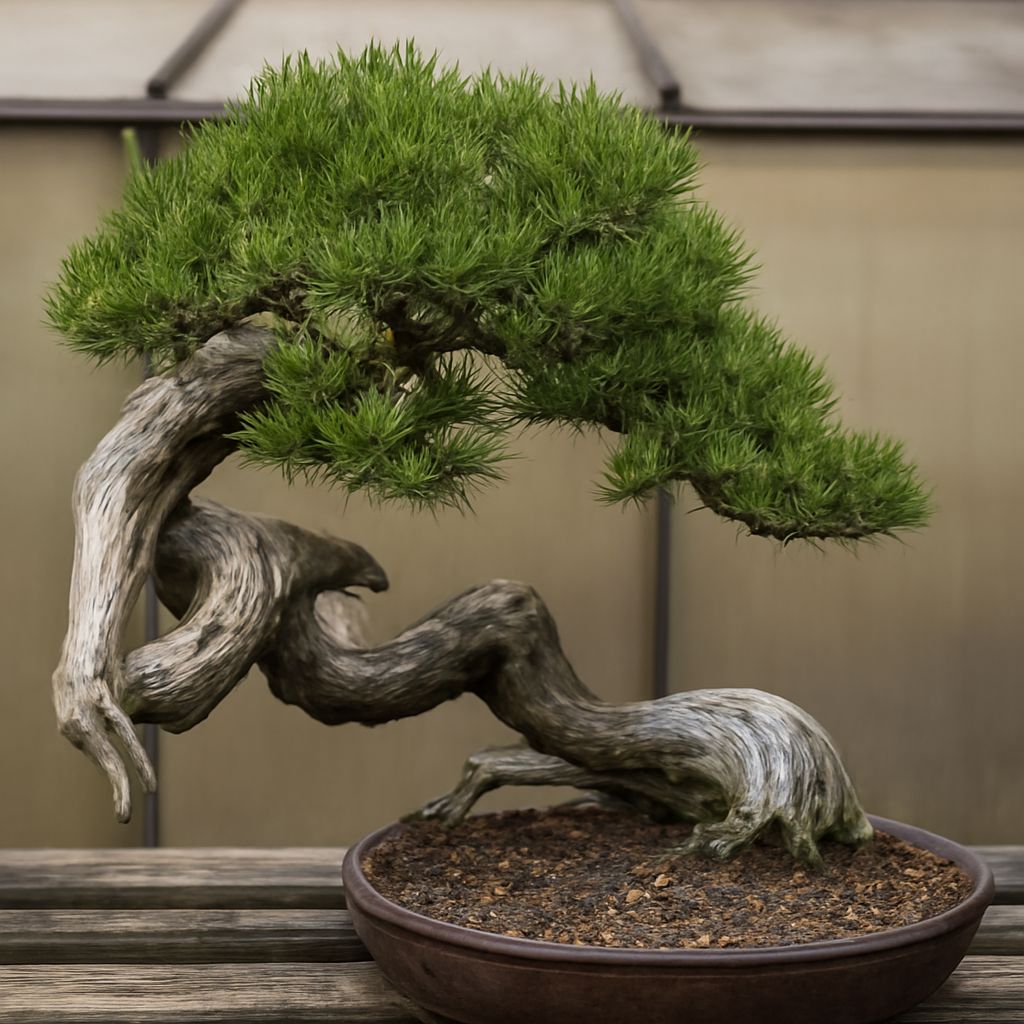
Selecting the right bonsai trees is at the heart of every beautiful bonsai garden. Before making choices, we look at our climate, garden exposure, and the style we want to achieve. Some species, like Japanese maple, juniper, and pine, are classic choices for outdoor gardens, thriving in various conditions and offering year-round appeal.
For beginners, hardy trees such as Chinese elm or ficus make excellent starters for a bonsai garden. Experienced enthusiasts might add rare varieties or specimen trees that serve as focal points. Mixing evergreen and deciduous species ensures visual interest throughout seasonal changes, while flowering or fruiting bonsai add bursts of color and texture.
We also consider tree size and shape. Dwarf cultivars are easier to manage, while larger trees can anchor the garden and provide dramatic presence. When we select each bonsai tree, we think about how it will interact with surrounding elements, from stones and moss to garden pathways. The best trees not only thrive in our region but also complement the overall design and spirit of our specialty garden.
Finally, sourcing healthy bonsai is crucial. We recommend purchasing from reputable nurseries or bonsai specialists, ensuring each tree is pest-free and well-rooted. This ensures the long-term success and vitality of your bonsai garden.
Planning Your Bonsai Garden Layout
A thoughtful bonsai garden layout transforms a collection of trees into a harmonious visual story. We start by sketching our space, noting sun patterns, wind direction, and focal points like entrances or water features. The arrangement should guide visitors naturally, encouraging slow exploration and quiet appreciation of each bonsai tree.
Grouping trees by style, age, or species often creates pleasing balance and variety. For example, pairing a mature pine bonsai with smaller accent trees draws the eye and adds depth. We love to stagger heights and use platforms or shelves to showcase prized specimens. Open areas between groups prevent crowding and allow each tree’s features to be appreciated on its own.
We also utilize garden structures—such as trellises, arbors, and low fences—to define spaces and create “rooms” within the bonsai garden. Pathways made from stepping stones or gravel invite visitors to wander, while benches or seating areas provide spots for reflection. Integrating natural elements like rocks and driftwood can mimic wild landscapes and enhance the garden’s authenticity.
Above all, a successful layout is flexible. As our collection grows or changes, we adjust placements to maintain harmony and highlight each bonsai tree’s seasonal best. Regular rearrangement also helps us notice and care for each plant more attentively.
Caring for Your Bonsai Garden
Maintaining a thriving bonsai garden requires consistent attention to each tree’s needs. We monitor sunlight, water, and humidity closely, adjusting care routines as seasons change. Outdoor bonsai often need protection from extreme weather, so we plan for windbreaks, shade cloth, or cold frames as needed.
Pruning and shaping are ongoing tasks in a bonsai garden. We trim growth to preserve each tree’s style, using sharp, clean tools and careful technique. Wiring branches helps refine structure but should be checked regularly to avoid damage. Fertilizing is important, but we avoid overfeeding—most bonsai trees prefer diluted, balanced nutrients applied during active growth.
Pest and disease control is part of routine care. We inspect our bonsai tree collection frequently for signs of trouble, treating problems early with organic or specialty products. Proper airflow between trees helps prevent fungal issues, while regular repotting ensures healthy root systems.
Finally, we keep the garden tidy by removing fallen leaves, cleaning pots, and refreshing mulch or ground covers. This not only enhances appearance but also supports the health and longevity of our specialty garden.
Inspiration from Famous Bonsai Gardens
To spark creativity, we love to study renowned bonsai gardens for ideas and techniques. The Omiya Bonsai Art Museum in Japan offers a stunning blend of traditional layouts, lush plantings, and architectural features. Each bonsai tree is displayed to highlight its best qualities, with thoughtful use of space and balance. We can learn much from their integration of stone lanterns, water elements, and naturalistic groupings.
Closer to home, many botanical gardens and public collections showcase diverse bonsai in beautifully designed specialty gardens. The Pacific Bonsai Museum in the United States, for example, arranges trees in outdoor “galleries” surrounded by native landscaping. Visitors can observe how different species and styles are paired with materials like gravel, wood, and water for maximum impact.
We draw inspiration from these world-class gardens but adapt ideas to fit our own space and style. Whether we favor formal, minimalist, or wild aesthetics, there are endless possibilities for creating a unique bonsai garden. Visiting or researching established collections gives us new perspectives on arrangement, plant selection, and hardscape features, fueling our creativity and passion for bonsai design.
Let’s continue exploring, learning, and refining our gardens so they grow more beautiful with each season.
Next steps: Begin designing your bonsai garden by selecting a location and mapping your layout. Choose healthy bonsai trees that suit your climate and style preferences, and build your design with intention and care. Remember, regular maintenance and a willingness to adapt will keep your specialty garden thriving for years to come.