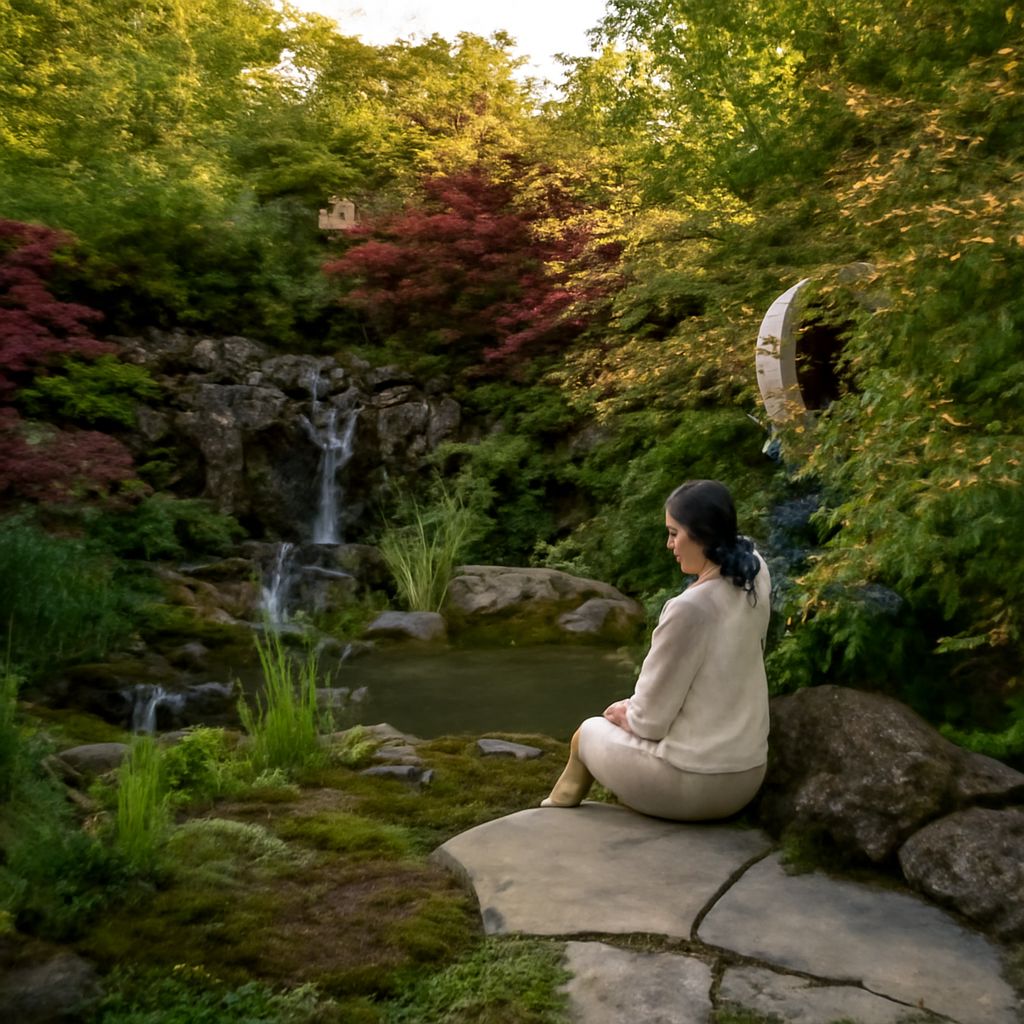
When we think of peaceful spaces, we often picture expansive landscapes far from the reach of city life. But did you know that small Japanese garden ideas can transform even the tightest urban corners into serene retreats? Rather than requiring vast spaces, the art of Zen gardening thrives on compact, thoughtful design, allowing us to create our own backyard oasis no matter the size of the plot.
Many of us assume that achieving tranquility in our gardens requires extensive land and resources, but Japanese garden ideas prove otherwise. With careful planning and an understanding of traditional principles, we can turn our limited spaces into soothing sanctuaries that offer a much-needed escape from the hustle and bustle of everyday life.
Understanding Japanese Garden Principles
The foundation of any Japanese garden lies in its principles, which emphasize harmony, balance, and simplicity. These gardens are not just about aesthetic appeal but also about creating a sense of calm and reflection. By focusing on natural elements and minimalism, we can design spaces that resonate with peace and tranquility.
Incorporating these principles into small Japanese garden ideas involves the careful selection and placement of plants, stones, and water elements. Each component serves a purpose and contributes to the overall harmony of the garden. This thoughtful approach allows even small gardens to capture the essence of traditional Japanese aesthetics.
Designing Your Small Japanese Garden
Designing a small Japanese garden requires a strategic approach to maximize the use of limited space. Start by defining the garden’s purpose—whether it’s for meditation, relaxation, or simply as a visual retreat. Then, consider the layout carefully, ensuring each element has room to breathe.
Using asymmetry and natural forms can enhance the illusion of space. Pathways and stones should guide the eye naturally, creating a journey through the garden. Remember, the essence of Zen gardening is not to overwhelm with detail but to invite a sense of exploration and tranquility.
Choosing the Right Plants
Plants play a crucial role in Japanese garden ideas. Choose ones that complement the garden’s style and size. Evergreen shrubs, bamboo, and moss are popular choices, as they maintain a lush appearance all year round. These selections provide texture and interest without overpowering the space.
Small trees, like Japanese maple, can add height and color to your garden. When choosing plants, consider their growth patterns and how they might change with the seasons. This awareness will help maintain the garden’s balance and ensure it remains a serene oasis throughout the year.
Incorporating Water Features
Water features, even small ones, are integral to small Japanese garden ideas. They introduce movement and sound, enhancing the sensory experience. A simple stone basin or a small pond can add a peaceful element to your garden. The gentle trickle of water can be soothing, drawing us into a moment of mindfulness.
When incorporating water features, ensure they are proportionate to the garden’s size. Overly large installations can disrupt the balance, while too small elements might lose their intended impact. Balance is key in maintaining the tranquility that water features are meant to instill.
Using Stones and Paths
Stones and paths in Japanese gardens symbolize stability and journey. They guide visitors through the space, encouraging reflection and contemplation. Choose stones that harmonize with the natural surroundings, using a mix of sizes and textures to create visual interest.
Pathways should feel organic, meandering through the garden in a way that feels both intentional and natural. They should encourage a slow pace, inviting visitors to pause and enjoy the surroundings. This thoughtful design can transform even the smallest garden into a meditative escape.
Maintaining Your Japanese Garden
Maintaining a Japanese garden involves regular care to preserve its intended sense of tranquility. Pruning plants to maintain their shape and removing debris keeps the garden looking neat and inviting. Pay attention to the balance and proportion as plants grow, ensuring they do not overshadow other elements.
Regularly check water features for clogs or leaks and clean them to prevent algae build-up. Stones and pathways may need occasional rearranging to maintain the garden’s harmony. A well-maintained garden is a peaceful one, providing a sanctuary for reflection and calm.
Bottom line: Creating a Japanese garden may seem daunting, but with understanding and care, we can transform even the smallest spaces into tranquil retreats. By embracing traditional principles and thoughtful design, our gardens can offer a serene escape, no matter where we are.


