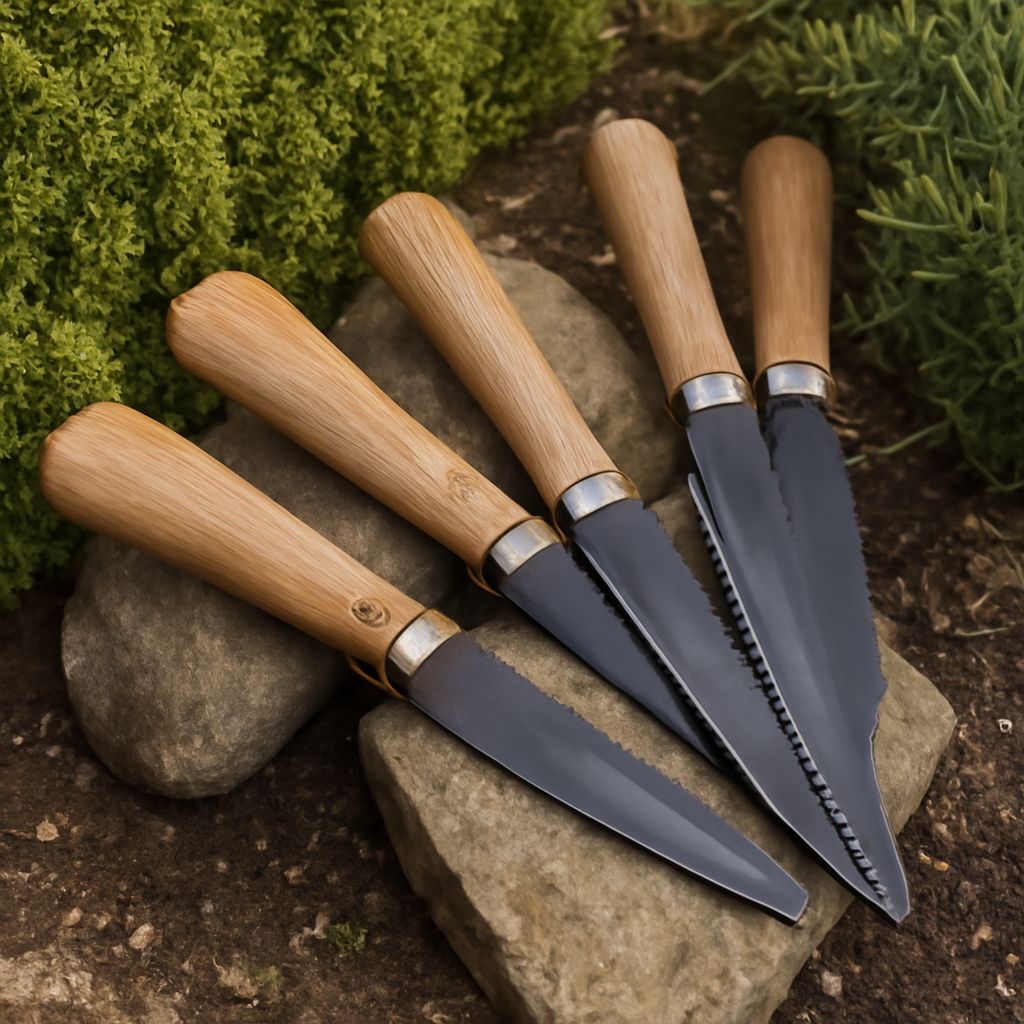
It’s a common misconception that all you need for effective garden maintenance is a pair of gloves and some basic shears. While those tools are useful, they are far from comprehensive. One essential tool that often gets overlooked is the garden knife. This versatile tool is indispensable for tasks like cutting, pruning, and weeding. Whether you’re slicing through stubborn roots or fine-tuning your topiary, a garden knife can dramatically improve your gardening experience.
Let’s dive into the world of garden knives, exploring the different types available, how to choose the right one, and how to maintain it for the best results. By the end of this guide, you’ll understand why the humble garden knife is a must-have for every gardener.
Introduction to Garden Knives
Garden knives are multi-functional tools designed for various tasks, from slicing through tough plant material to precision pruning. Unlike other cutting tools, a garden knife offers both versatility and precision, making it essential for maintaining the beauty and health of your garden.
They differ from general kitchen knives or common utility knives due to their specific design catered to outdoor tasks. The blades are often more robust, providing extra strength for cutting through tougher materials. A garden knife is a trusted ally in every gardener’s toolkit.
Types of Garden Knives
When it comes to garden knives, there are several types to choose from. The Hori Hori knife is a popular choice, known for its serrated edge which is perfect for digging, cutting, and weeding. Another type is the pruning knife, designed with a curved blade for precision cutting of plant stems and small branches.
We also have grafting knives, which are ideal for budding and grafting tasks. These knives have a sharp, straight blade, making them perfect for delicate cutting tasks. Each type of garden knife offers distinct advantages, so selecting the right one depends on your specific gardening needs.
Choosing the Right Garden Knife
Consider Blade Material
The material of the blade is crucial for effectiveness and durability. Stainless steel is a common choice because it resists rust and corrosion, making it ideal for outdoor use. Carbon steel blades are also popular, offering superior sharpness and durability but requiring more maintenance to prevent rust.
Handle Design and Comfort
The handle of your garden knife should provide a comfortable grip to prevent fatigue during extended use. Look for handles made from durable materials like wood or reinforced plastic. An ergonomic design can significantly enhance your comfort, especially if you spend long hours tending to your garden.
Size and Weight
Consider the size and weight of the garden knife to ensure it suits your needs. Heavier knives provide more cutting power but can be tiring to use. Lighter knives are easier to handle but may require more effort for tougher tasks. Balance is key; choose a garden knife that feels right in your hand and complements your gardening activities.
How to Maintain Your Garden Knife
Cleaning Your Knife
Regular cleaning is essential to keep your garden knife in top condition. After each use, wipe the blade with a damp cloth to remove dirt and plant residue. For stubborn sap or soil, a mild detergent can be used. Make sure to dry the knife thoroughly to prevent rust.
Sharpening Tips
Keeping your garden knife sharp ensures efficient and clean cuts. Use a sharpening stone or a specialized knife sharpener to maintain the edge. Regular sharpening will not only improve the knife’s performance but also prolong its lifespan. Always follow the manufacturer’s instructions for the best results.
Proper Storage
Storing your garden knife correctly is vital for safety and longevity. Use a sheath or a designated storage rack to protect the blade from damage and prevent accidents. Store the knife in a dry place away from moisture to avoid rust and deterioration.
Using a Garden Knife Safely
Safety should always be a priority when using a garden knife. Always cut away from your body to minimize the risk of injury. Ensure that the working area is clear of any obstacles and always wear protective gloves to enhance your grip and protect your hands.
When not in use, keep the knife safely stored to prevent accidental injuries. Educating yourself on proper techniques can make a significant difference in your gardening safety practices.
Next Steps: Incorporate the garden knife into your routine, and you’ll find many tasks can be more efficiently managed. Regular maintenance and careful usage will ensure this tool serves you well for years. Happy gardening!


