When we think of our garden’s ecosystem, the first thing that often comes to mind are the pests and weeds that threaten our hard work. However, what if we told you that some of the insects you see buzzing around are actually beneficial garden insects? Yes, not all bugs are bad for your garden. In fact, many play a crucial role in maintaining the delicate balance of nature. It’s time to debunk the myth that all insects are harmful and embrace these natural allies.
Recognizing the role of beneficial garden insects can change the way we approach garden maintenance. These insects act as nature’s pest control, reducing the need for harmful chemicals. By understanding and fostering these critters, we can create a healthier, more sustainable garden environment.
Introduction to Beneficial Garden Insects
Beneficial garden insects are crucial allies in our fight against pests. They naturally control the population of harmful insects, protecting our plants without the need for pesticides. By knowing which insects are beneficial, we can foster their presence and enhance our garden’s health.
These insects are part of a balanced ecosystem, playing roles as predators, pollinators, and decomposers. They help reduce plant damage and promote healthy growth. Our understanding and appreciation of these insects can lead to a more harmonious garden environment.
Understanding the Role of Beneficial Insects
Beneficial insects are nature’s way of keeping pest populations in check. Predatory insects like ladybugs and lacewings feast on aphids, mites, and scale insects, reducing their numbers naturally. Without these helpful predators, our gardens would be overrun with pests.
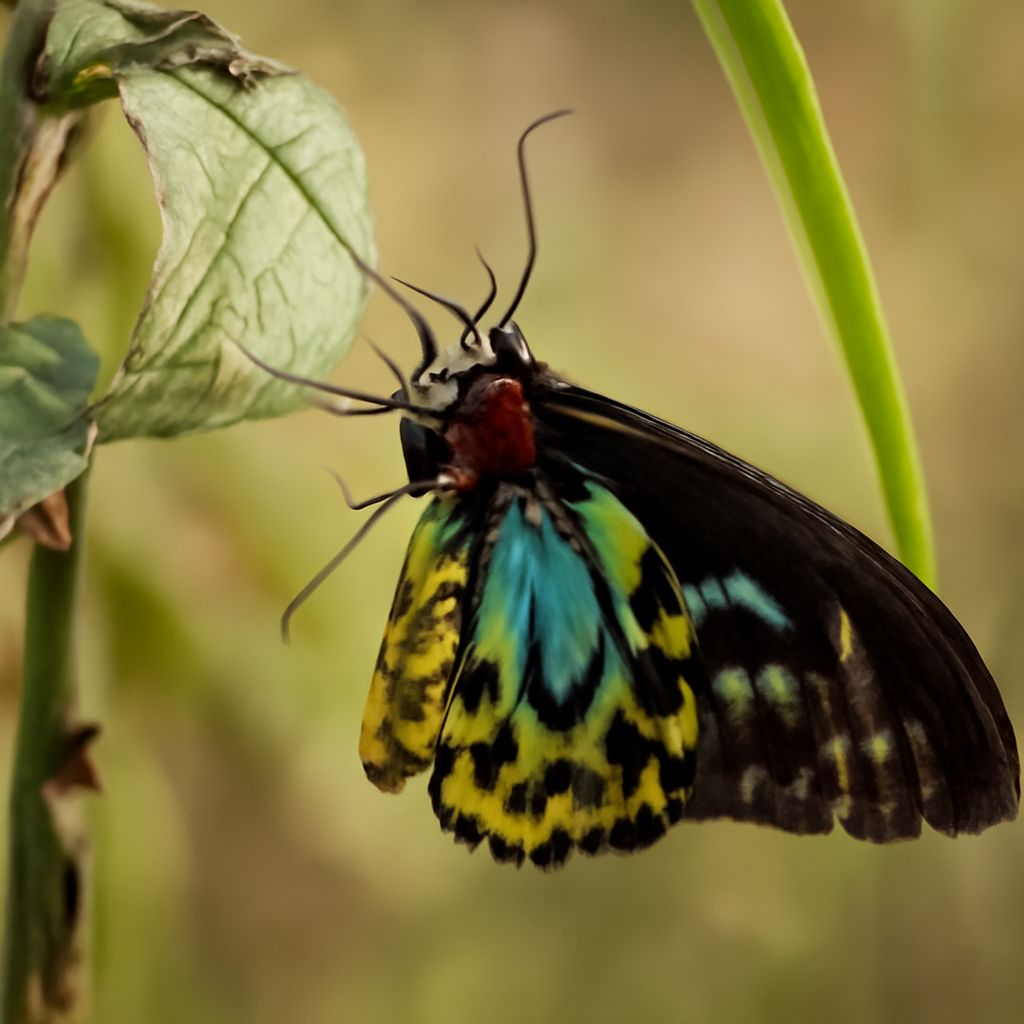
Beyond pest control, beneficial garden insects also aid in pollination. Bees, butterflies, and some beetles are critical for the pollination of many crops. This not only improves plant health but also boosts yields. Their presence is a testament to a thriving garden ecosystem.
Common Types of Beneficial Garden Insects
Understanding the common types of beneficial garden insects helps in identifying and encouraging them. Ladybugs, for instance, are voracious eaters of aphids and can consume up to 50 a day. Lacewings, with their delicate green wings, also target pests like caterpillars and thrips.
Ground beetles are another type of beneficial insect. These nocturnal hunters feast on slugs, cutworms, and other soil-dwelling pests. Additionally, parasitic wasps lay their eggs in or on pests, such as caterpillars, providing natural pest control from the inside out.
How to Attract Beneficial Insects to Your Garden
Attracting beneficial garden insects involves creating a welcoming habitat. Planting a variety of flowers can provide nectar and pollen, attracting pollinators like bees and butterflies. Herbs such as dill, fennel, and cilantro are also favorites of beneficial insects.
It’s important to provide a water source for these insects. A shallow dish with stones can offer them a place to drink. Additionally, maintaining a variety of plant heights and structures offers shelter and nesting places, further enticing these garden helpers.
Maintaining a Balance: Avoiding Harm to Beneficial Insects
While attracting beneficial insects is important, maintaining a balance is crucial. Avoid using broad-spectrum pesticides, as these can harm helpful insects as well as pests. Instead, opt for natural pest control methods that target specific issues.
Incorporating companion planting can also deter pests while benefiting beneficial insects. For example, marigolds can repel nematodes while attracting pollinators. By understanding the interactions between plants and insects, we can fine-tune our gardens for optimal health.
Conclusion: Embracing Nature’s Helpers
Beneficial garden insects are indispensable allies in our quest for a healthy, vibrant garden. By recognizing and fostering these insects, we reduce the need for chemicals and promote a more sustainable ecosystem. Our gardens thrive when we work with nature, not against it.
Let’s continue to embrace these natural pest control agents and create a garden environment that celebrates biodiversity. Together, we can maintain gardens that are not only beautiful but also ecologically balanced and resilient.