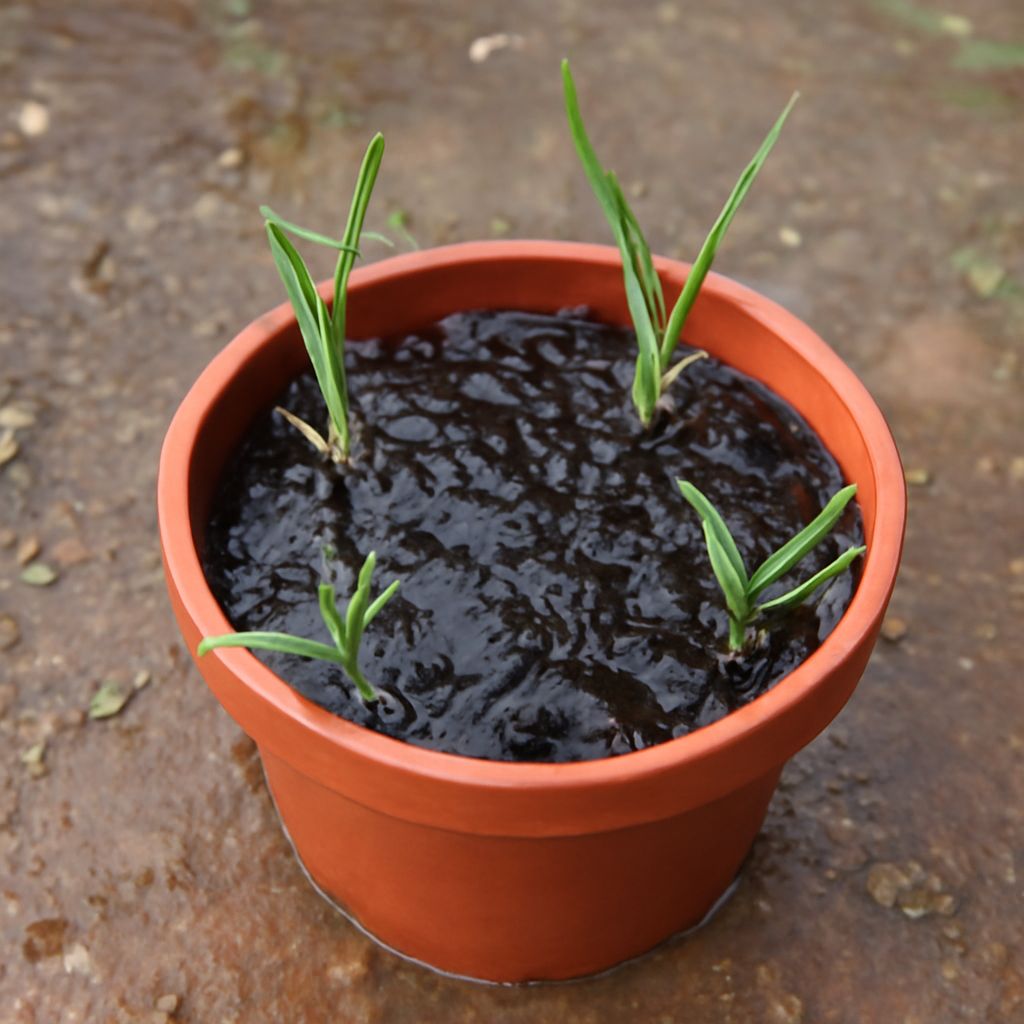
Prepare the new place before you lift the plant. Digging the hole first keeps its roots out of drying sun and wind for as little time as possible. When moving plants to a new location, the aim is to carry enough of their roots and surrounding soil with them to support recovery.
The method for transplanting a plant depends on its size and starting point. A small perennial can often be lifted by hand; a large, established tree may need equipment and an arborist. Both need a suitable site, correct planting depth, and attention to water afterward.
Choose the time and the place
Match the new site to the plant’s needs for sun, drainage, and mature space. Check for underground utilities before digging, especially for a large hole.
For many hardy perennials, early spring or fall is a good time to move the plants, while conditions are cool and roots have time to grow. Check the species: some plants have particular seasonal needs or dislike root disturbance. Choose a cloudy, calm day or work in late afternoon. Avoid frozen or waterlogged soil and extreme heat.
Water the plant and its new bed ahead of the move if they are dry. If moving indoor-grown seedlings outdoors, gradually expose them to outside conditions over several days before planting.
How to transplant a plant from a pot or garden bed
Dig the receiving hole before removing the plant. For a small perennial or shrub, make it at least as deep as the root ball and wider, so roots can spread into the surrounding ground. Keep the soil you remove nearby for backfill.
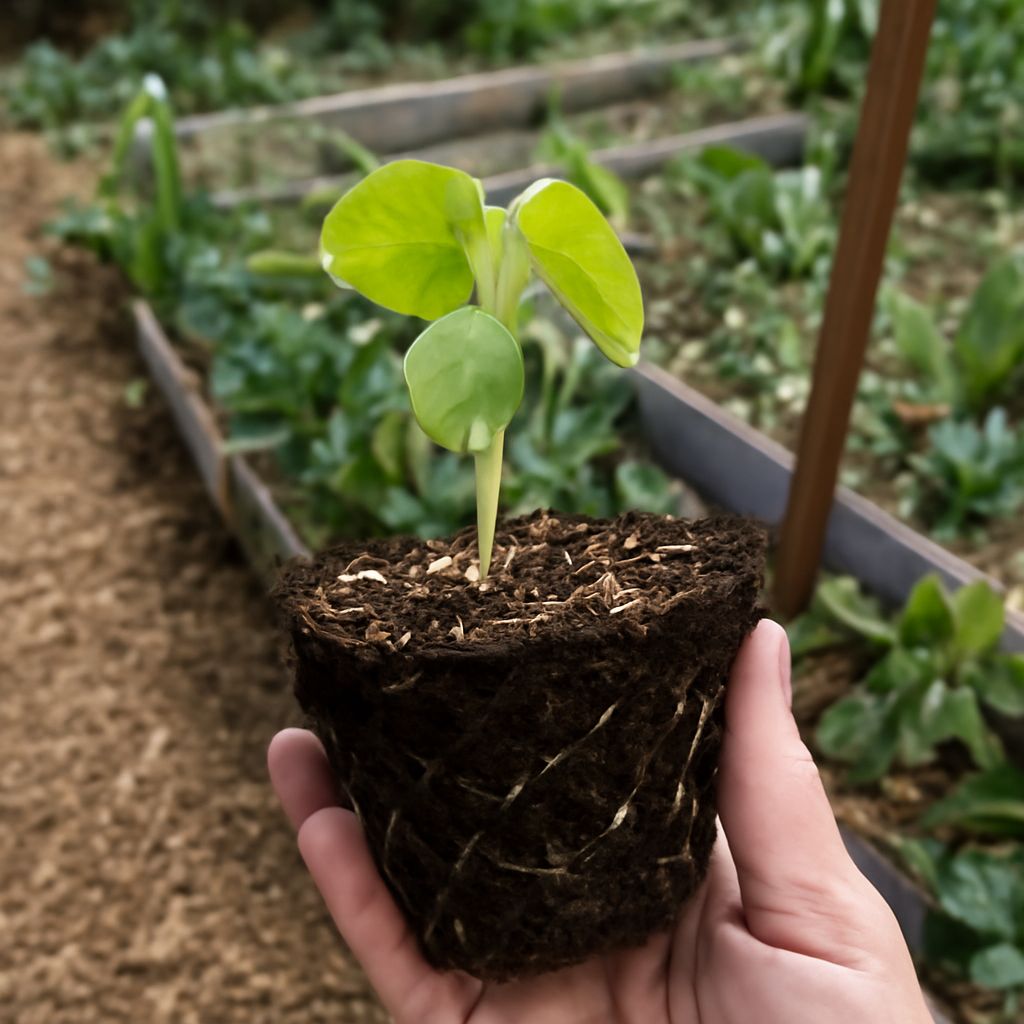
To transplant plants from pots, support the soil surface with your hand and tip the container. Squeeze a flexible pot or tap its sides, then slide out the root ball. Hold the plant by the ball, not the stem. If roots circle tightly, gently loosen them so they can grow outward; leave a delicate, loosely rooted ball largely intact.
To move a plant already in the garden, mark a generous circle around it and dig down around the outside. Work underneath the roots and lift the soil ball on a spade or a piece of burlap. Keep the ball together and support it from below. Cut unavoidable roots cleanly with a sharp spade instead of tearing them. Replant promptly; if there is a delay, keep the roots shaded and moist.
This is how to transplant a plant without exposing its roots any longer than necessary. Set the ball in the new hole and check its height before filling. For most perennials, place the crown at the same soil level as before. For a tree or shrub, find the root flare, where the trunk widens into the roots, and keep it at or slightly above the surrounding grade; a buried flare may need excess soil gently removed.
Backfill around the ball with the soil removed from the hole, firming lightly to eliminate large air pockets without packing it hard. Water thoroughly so the soil settles around the roots.
Know when the job is too large
The roots of an established tree or shrub often extend well beyond its branches. Moving such a plant requires planning. A large ball of moist soil is heavy, and cutting away too much of the root system can make recovery difficult. A small perennial with a manageable root ball is a different job from a mature shrub that has grown in place for years.
Before moving a large plant, ask a qualified arborist or experienced landscape professional to assess its size, health, root-ball needs, and the route to its new site. Some woody plants benefit from root pruning months before the move. Equipment may be needed to lift and support the ball. Do not drag the plant by its trunk or attempt to lift a soil ball that cannot be handled safely.
When transplanting plants of any size, protect the roots during the journey. Even a short wait in direct sun can dry exposed fine roots when plants are moved.
Help roots establish in the new soil
For the first weeks after moving a garden plant, check the root ball and surrounding soil regularly. Water deeply when the root zone begins to dry, adjusting for rainfall and the plant’s needs. A plant moved to a new bed may need more frequent attention than its established neighbors, but constantly saturated soil can deprive roots of air.
Spread a layer of mulch over the soil to reduce evaporation, leaving a gap around stems and trunks. Temporary shade can protect a tender transplant on an unexpectedly hot day. Skip heavy fertilizer at planting; the immediate job is to support roots as they grow into the new ground.
Transplanting plants is followed by a period of adjustment. Keep checking during dry spells rather than assuming a few good-looking weeks mean the roots have fully established.
Read the plant after the move
Wilting in the first days can signal stressed roots. Feel the soil several inches down: if the root zone is dry, water slowly and deeply. If it is wet and remains soggy, pause watering and check drainage. Persistent yellowing, a soft stem base, or worsening wilt in wet soil calls for inspecting the roots and correcting the wet conditions; a loose, temporary shade screen can reduce heat stress while healthy roots recover.