We’ve all heard stories about the “dangerous” dumb cane houseplant or seen warnings about keeping it out of reach. But is dumb cane really a risky addition to our indoor plant collection, or is its reputation overblown? Let’s cut through the myths. While dumb cane deserves respect for its toxicity, it’s also one of the most resilient and rewarding houseplants for both beginners and seasoned plant lovers. Understanding dumb cane houseplant care unlocks a lush, leafy display that’s as safe as it is stunning when handled wisely.
In this ultimate guide, we walk step by step through everything you need to know about dumb cane, from its unique features and care routines to troubleshooting problems and styling your space. Let’s dig into the truth and beauty behind one of the most popular—and misunderstood—houseplants out there.
Introduction to Dumb Cane
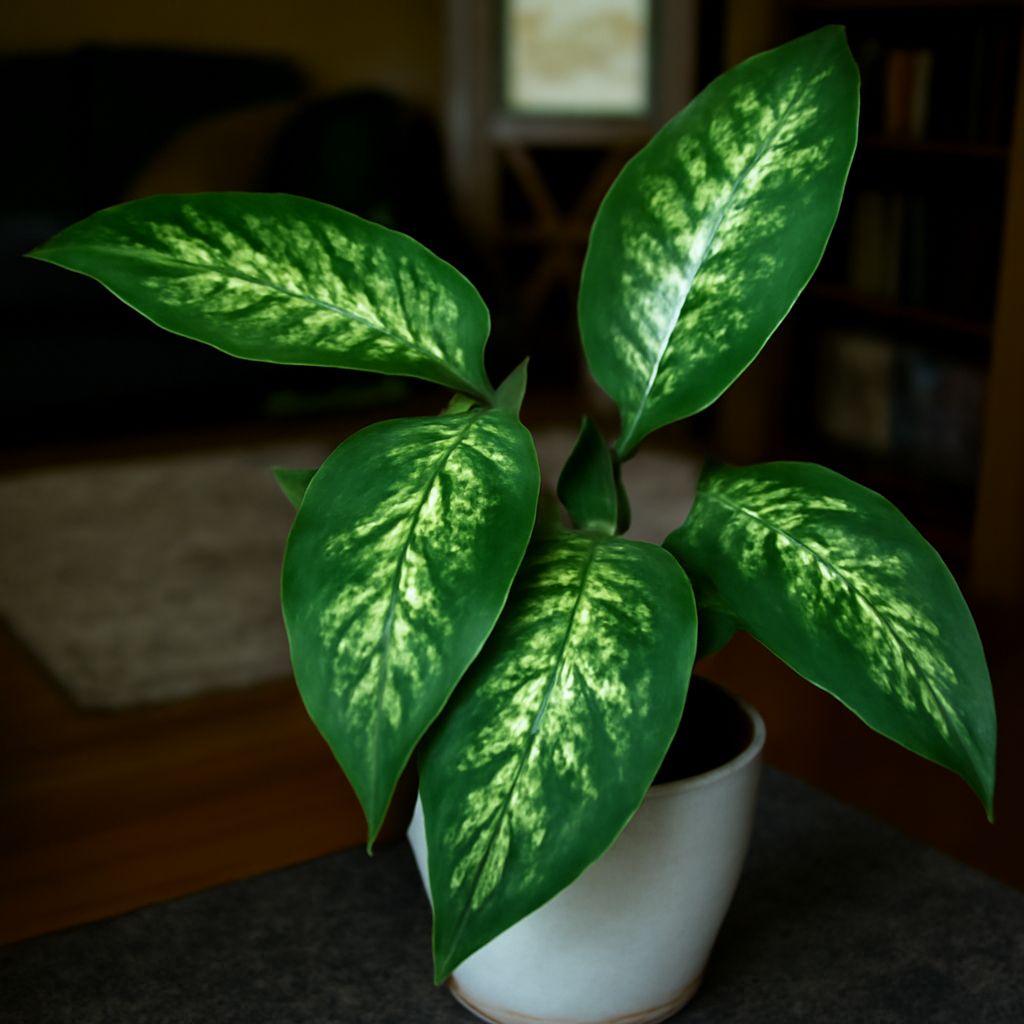
Dumb cane, officially known as Dieffenbachia, is a tropical perennial hailing from Central and South America. Its bold, patterned leaves and easygoing growth habit have made it a fixture in homes and offices around the world. The plant gets its nickname from the effect its sap can have if ingested, causing temporary speechlessness—hence “dumb” cane.
We love dumb cane for its dramatic foliage. Each leaf features a mix of creamy white, yellow, and deep green, bringing a splash of the tropics indoors. Over time, a healthy plant can grow several feet tall, making it a striking focal point for any room.
Despite its toxic reputation, dumb cane houseplant care is straightforward when we understand its needs. It’s forgiving of occasional mistakes, but thrives best when we pay attention to its preferences for light, water, and warmth. Let’s explore what makes this plant both unique and accessible to plant enthusiasts of all levels.
Dumb Cane Houseplant Basics
To keep a dumb cane healthy and thriving, we need to start with the basics. This plant prefers bright, indirect sunlight—think a few feet back from a sunny window, where the light is filtered but still strong. Too much direct sun can scorch its stunning leaves, while too little will cause leggy growth and faded patterns. We aim to mimic the dappled light of its native rainforest habitat.
When it comes to soil, dumb cane does best in a rich, well-draining potting mix. A blend formulated for tropical plants works well, or we sometimes add perlite or orchid bark to improve drainage. This prevents soggy roots, which can quickly lead to problems. A container with drainage holes is a must for any dumb cane houseplant.
We also keep in mind that dumb cane isn’t a fan of cold drafts or temperatures below 60°F (16°C). Placing it away from exterior doors and cold windows helps ensure steady, warm conditions. With its upright habit and generous leaves, dumb cane quickly fills out a space, making basic placement an important part of its long-term health.
Caring for Dumb Cane Indoors
Watering is where many of us go wrong with dumb cane houseplant care. The plant likes its soil to dry out slightly between waterings. We check the top inch or two of soil—if it’s dry, it’s time to water. During the growing season (spring and summer), watering may be needed every week, while in winter, every 10–14 days is often enough. Overwatering is a common misstep, leading to yellow leaves and root rot.
Humidity is another key to happy dumb cane. While it tolerates typical indoor air, we notice lusher growth and healthier leaves when humidity stays above 50%. Simple strategies like grouping plants, using a pebble tray, or running a small humidifier can make a big difference. Misting the leaves occasionally also helps, but we avoid overdoing it to prevent leaf disease.
Fertilizing isn’t complicated: we use a balanced, water-soluble fertilizer every 4–6 weeks during spring and summer. In fall and winter, we cut back as the plant’s growth naturally slows. Pruning away yellow or damaged leaves not only keeps our dumb cane looking its best but also encourages new, vigorous growth.
We also rotate the pot a quarter turn every few weeks so all sides receive light. This keeps growth even and prevents the plant from leaning. Monitoring for dust and gently wiping leaves helps the plant “breathe” and absorb more light, supporting its overall health indoors.
Common Issues with Dumb Cane
Even with attentive dumb cane houseplant care, occasional problems can pop up. Yellowing leaves are often our first clue, usually linked to overwatering or poor drainage. In these cases, we check the soil and hold back on water until the roots have time to recover. Mushy, brown stems may signal root rot, which sometimes requires cutting away damaged parts and repotting in fresh soil.
Another common concern is droopy or limp leaves, typically due to underwatering or sudden temperature drops. We make sure our plant isn’t too close to an air conditioner, heater, or drafty window, and adjust watering frequency as needed.
Pests like spider mites, mealybugs, and aphids occasionally target dumb cane but are manageable if caught early. We inspect our plant regularly, looking for sticky residue, webbing, or small crawling insects. Wiping leaves with a damp cloth or using insecticidal soap usually resolves light infestations.
Slow or stunted growth sometimes signals the plant has outgrown its pot. When roots circle the bottom or poke out of drainage holes, it’s time to move the dumb cane to a container one size larger, with fresh potting mix for renewed vigor.
Safety and Toxicity of Dumb Cane
Dumb cane’s sap contains calcium oxalate crystals, which can cause mouth and throat irritation if chewed or ingested. This is where dumb cane gets its dramatic nickname—affected people or pets may have trouble speaking for a short time. For that reason, we always practice caution and keep dumb cane out of reach of small children and curious pets.
Handling the plant, especially when pruning or repotting, sometimes exposes us to sap. We wear gloves or wash our hands thoroughly afterward to avoid skin irritation or accidental contact with eyes or mouth. The risk of reactions is low when we use common sense and basic plant safety habits.
Despite these concerns, we don’t need to avoid dumb cane entirely. With smart placement and supervision, it adds beauty and vitality to our homes. For households with pets or young children, placing the plant on high shelves or in rooms that aren’t regularly accessed by little hands or paws is usually enough to prevent problems.
Many popular indoor plants, from pothos to philodendrons, share similar toxicity, so dumb cane isn’t unique in this respect. By staying informed and mindful, we enjoy our houseplants safely without worry.
Decorating with Dumb Cane
Dumb cane’s bold, graphic leaves make it a natural statement piece for living rooms, bedrooms, and offices. We love using it as a floor plant in a decorative pot, letting its upright stems and lush foliage create vertical interest. It pairs well with other tropicals or stands alone as a focal point in a minimalist space.
For smaller spaces, we place a juvenile dumb cane on a plant stand or tabletop, where its patterned leaves draw the eye. Mixing and matching with other houseplants like snake plant, monstera, or peace lily complements its vivid coloring and varied textures. We coordinate pot colors and styles to fit our room’s palette for a cohesive look.
Dumb cane thrives in bathrooms and kitchens where natural light is bright but indirect, and added humidity encourages lush growth. We avoid placing it where leaves could brush up against high-traffic areas, both to protect the plant and prevent accidental contact with its sap.
With the right care and a little creativity, dumb cane transforms any space into a vibrant, green retreat. Its resilience and striking beauty make it a favorite for plant lovers seeking both style and easy care.