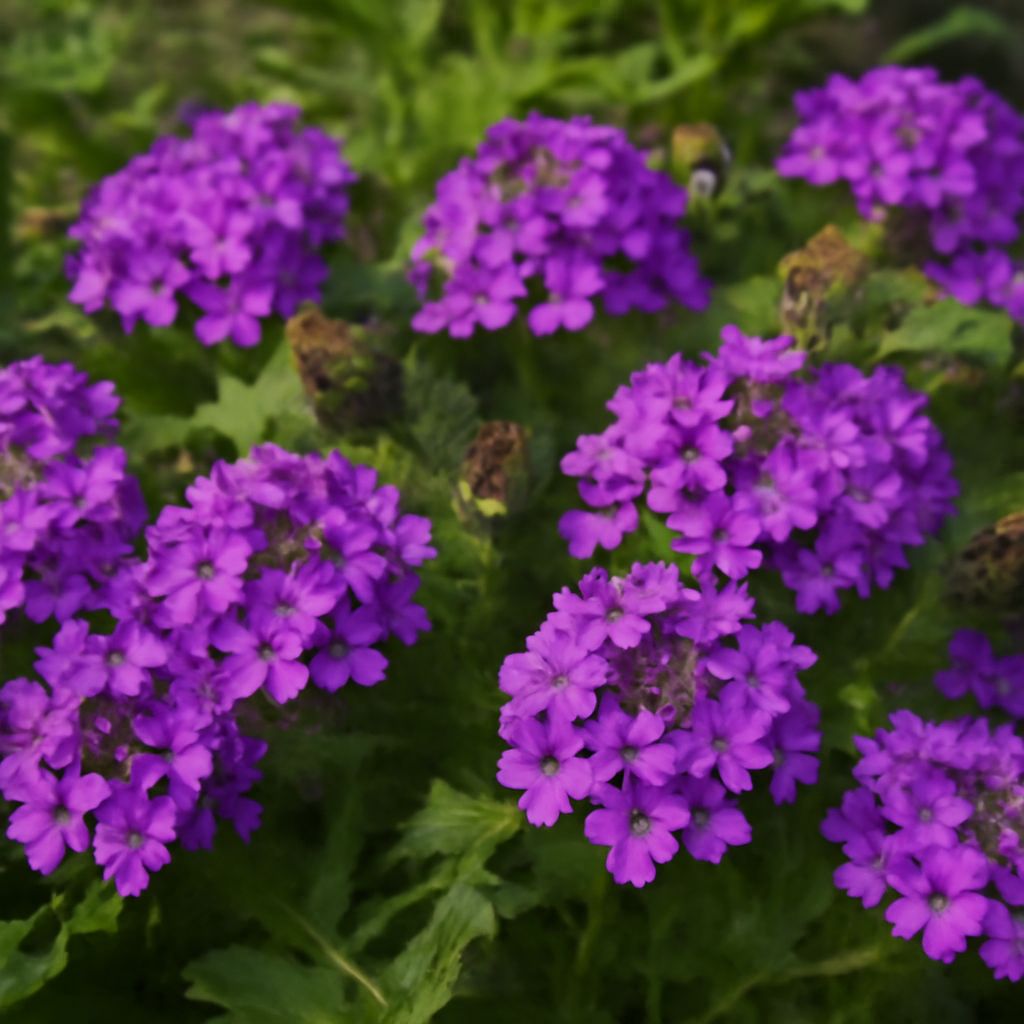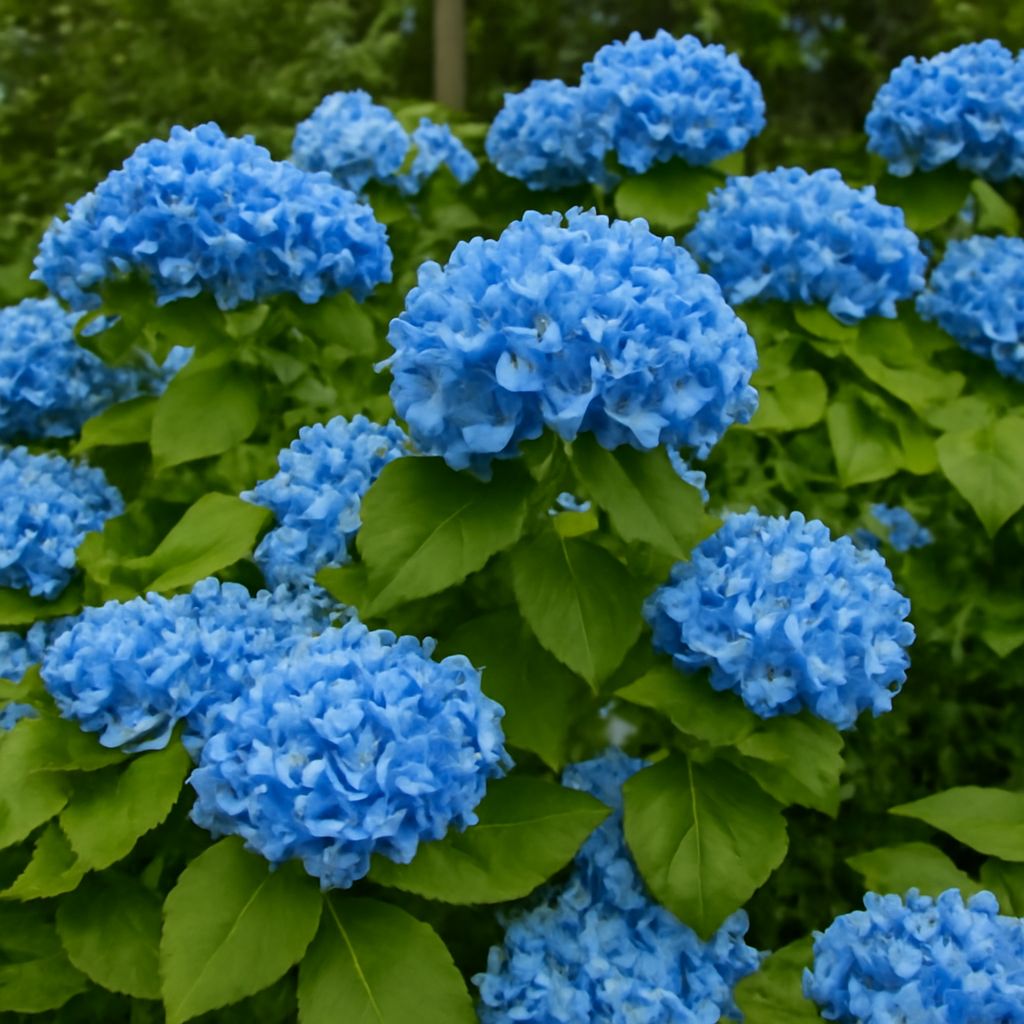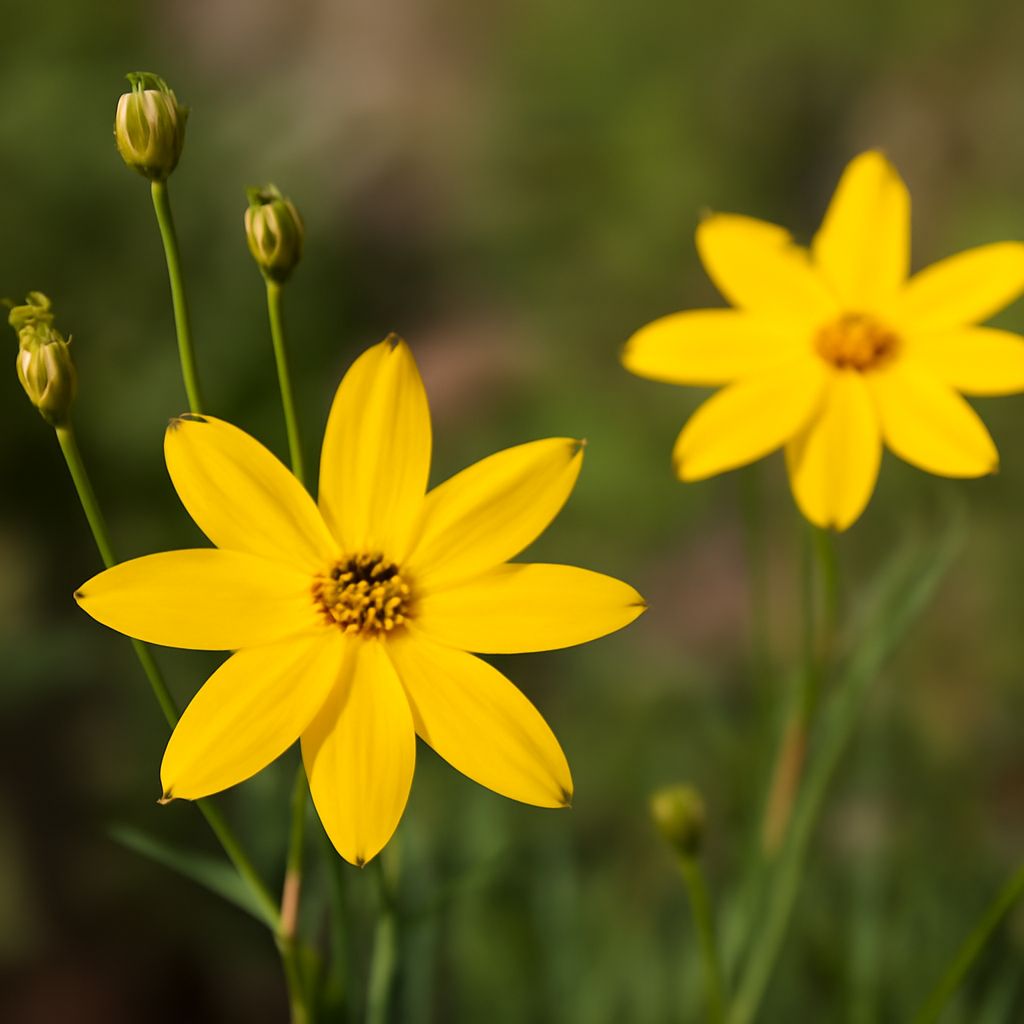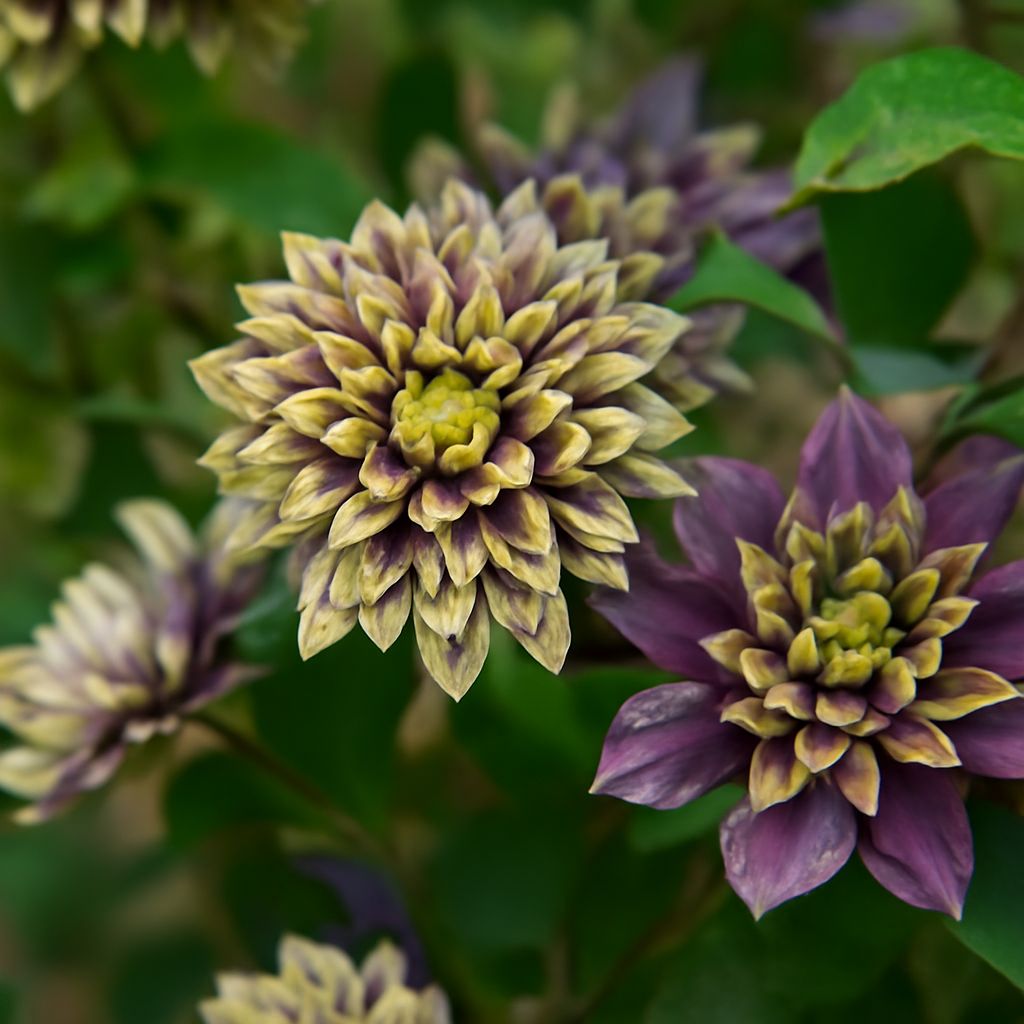
For a small trellis by the door, choose a restrained garden cultivar with flowers you can see close up. For a larger naturalistic planting, a locally native species may be a better fit if you can give it room. Clematis comes in many forms, and the color of its flowers is only the first part of the choice.
Look at the hours of sun, winter cold, available support, and the mature size of the plant before buying. A lovely bloom is easier to enjoy when the vine suits the place where its roots and stems must live.
Clematis Colors and Garden Effects
The range includes white, pink, red, lavender, purple, blue-toned, yellow, and two-colored flowers. Large, open blooms make a strong feature on a modest trellis. Smaller flowers can make a light, scattered display over a fence or among shrubs. Choose the effect you want from the distance where you will see it: a tiny flower close to a path rewards attention, while a bold bloom can hold its own across a yard.
When comparing clematis colors, look at several photographs of the named plant and read descriptions of its bloom season. Light, heat, and flower age can change how a shade appears. Strong summer sun can fade some blooms, so a site with morning light and shelter from harsh afternoon sun may preserve a richer color in hot areas. Check the cultivar’s light needs before placing it in deep shade, where flowering may be reduced.
White flowers stand out against a dark fence or evergreen leaves. Pale pink can soften a porch post, while deeper purple has contrast against a light wall. For a combination, choose a background first and then a flower that remains visible against it. A mixed planting needs enough support and root space for each plant; don’t rely on color alone to decide how many vines will fit.
Read the Name and Check Your Climate
Find the full botanical name and cultivar, if one is listed. A climatis offered only by flower color may be difficult to compare with another plant; ask the seller for the name, mature height, spread, and expected flowering period. The tag should also give a hardiness range for that selection. Compare the clematis zone range with your USDA plant hardiness zone, then consider summer heat, drainage, and exposure as well as winter cold.
A zone describes average annual extreme minimum temperature, not every condition in a garden. A vine within its cold range may still struggle in a hot, dry corner or in soil that stays wet. A sheltered wall can alter local conditions, but it cannot make up for a badly drained planting hole. Choose a plant whose stated needs match the actual site.
For a container, check the expected root space and winter care as well as the vine’s height. Roots in pots experience colder conditions than roots in the ground. In a region with hard freezes, plan where the container can be protected, and avoid assuming the plant will overwinter outdoors in a small exposed pot.
Garden Cultivars, Native Species, and Wild Plants
Garden cultivars are selected for combinations of flower color, size, form, and bloom time. They can suit a defined feature where you want a known height and a particular display. A species found growing in the wild may have smaller blooms or a more vigorous habit; learn its mature size before allowing it onto a small support.
Native clematis species differ by region. For example, Clematis virginiana is native to parts of eastern North America and bears clusters of small white flowers. Confirm that a species is native to your area and suited to your site with a local extension service or native plant resource. A locally native vine can be a good choice for a spacious planting, but its habit still needs to fit the space.
The common name devil’s darning needle is used for more than one plant, so ask for the botanical name rather than relying on the label alone. C. virginiana is also called devil’s darning needles in some sources. Another white-flowered vine, C. terniflora, is considered invasive in places including Florida and Pennsylvania. Check local invasive-plant guidance before purchasing, and identify the species rather than assuming every white-flowered wild clematis is the same plant.
Match the Plant to Its Support
Most climbing types use their leaf stalks to grip slender supports. A lattice with thin pieces, wire, or twine gives a vine something to hold. Set the support in place at planting and make it tall and strong enough for the mature plant. A compact cultivar can suit a small obelisk; a vigorous wild vine needs considerably more room and a sturdier framework.
Give the root area well-drained soil and steady moisture, and use a shallow layer of mulch to help keep it cool. Leave space around the stem and check soil moisture during dry weather. Where wind is strong, a sheltered position protects brittle young stems from being tossed against the support.
Choose by the garden’s conditions: first confirm the plant’s identity and local suitability, then match its mature size and hardiness to the space. Finally, select a flower color and season that work with the light and background you can provide.