A shady, damp corner can suit many garden ferns. A sunny bed that drains readily is the better place for fern-leaved yarrow, the flowering perennial known botanically as A. filipendulina. Its finely divided foliage recalls a fern, but its roots need a different home.
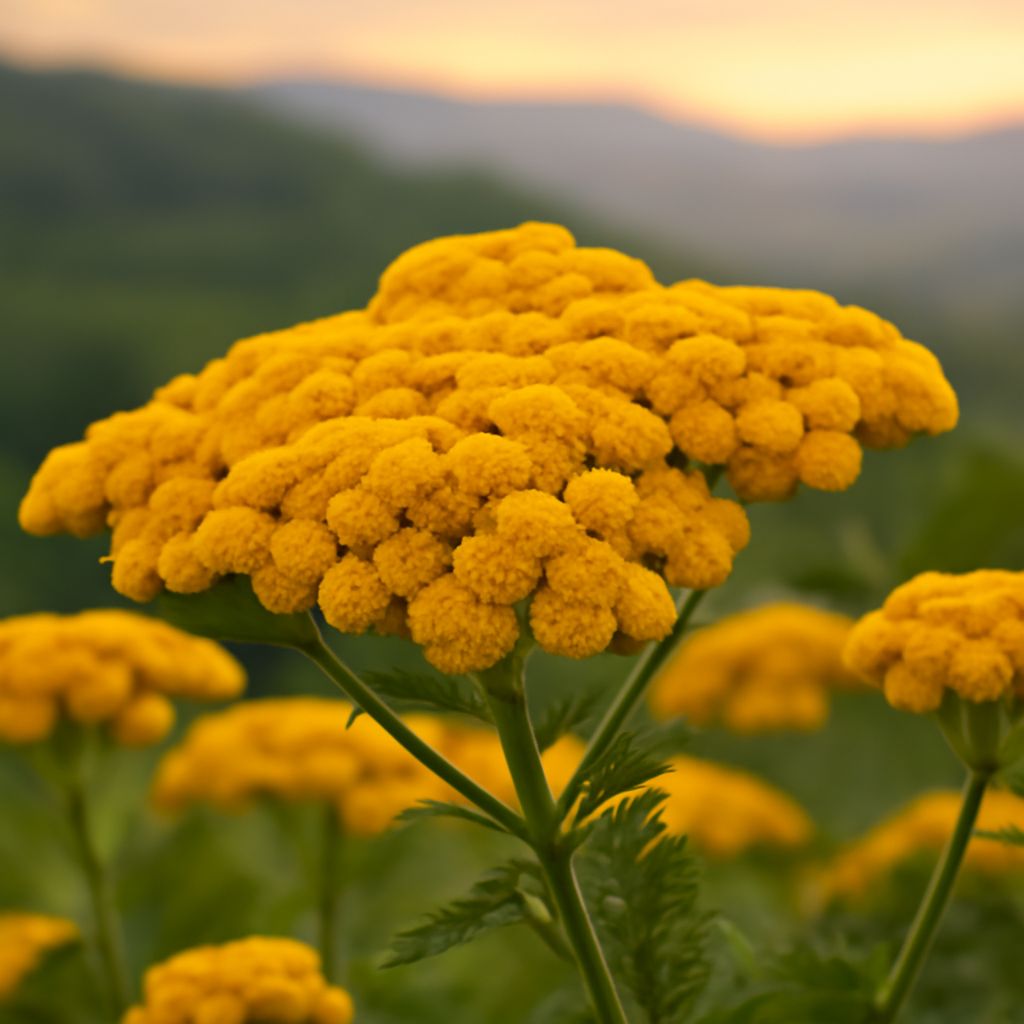
Give the plant room in an open border and it will send up sturdy stems topped with broad, flat clusters of small yellow flowers. The leaves bring a soft texture to the bed before the flowers appear; the flower heads bring a long season of color and food for visiting insects.
Fernleaf yarrow: know what you are planting
Achillea filipendulina belongs to the aster family. It is an herbaceous perennial, meaning its top growth dies back seasonally and returns from the roots. The gray-green leaves are deeply divided into narrow segments, giving the plant its fernlike appearance. True ferns reproduce by spores and do not produce flowers; this yarrow produces flowers and seeds.
You may see the name fern leaf yarrow on a nursery label. Look for the botanical name as well, since common names can be used loosely. Varieties differ in height and flower color, so read the label for the mature dimensions of the plant you are buying. The species can reach roughly 3 to 4 feet tall in bloom, making it a good choice for the middle or back of a border.
The flower clusters are made up of many small blooms packed together. They attract butterflies and other pollinators, and their broad shapes sit well beside plants with spiky flowers or airy foliage. Leave enough space between plants for air to move through the leaves and for you to reach the stems when it is time to cut them back.
Choose sun and soil that drains
Plant Achillea filipendulina in full sun, ideally where it receives at least six hours of direct light a day. Sun helps keep growth sturdy and supports flowering. In too much shade, stems may stretch and lean, especially when the flower heads become heavy.
The soil should let excess water drain away. A sandy or gritty bed can suit filipendulina yarrow, as can ordinary garden soil that does not remain soggy after rain. If water stands in the planting spot or the ground stays wet for long periods, choose a better-drained place or build a raised bed with a broad area of free-draining soil. Adding a little sand to a single hole in heavy clay will not fix drainage across the bed.
Rich soil and frequent fertilizer can encourage lush, floppy growth. For fern-leaved yarrow, begin with the soil you have if it drains well; a modest amount of compost worked into a poor bed is enough. Keep thick, moisture-holding mulch away from the crown, where the stems meet the soil. A light layer around the plant can suppress weeds without burying it.
Plant and water while roots establish
Spring or early fall gives a new perennial time to settle before the hardest weather. Dig a hole about as deep as the nursery pot and wider than the root ball. Loosen circling roots gently, set the crown at the same level it grew in the pot, and fill around it with the removed soil. Firm it lightly and water thoroughly.
During the first growing season, check the soil near the root ball regularly. When the upper inch or so feels dry, water deeply enough to moisten the root area, then let the soil begin to dry before watering again. Hot, windy weather and sandy ground can shorten the interval; rain and heavier soil can lengthen it. The aim is steady establishment, not a constantly wet bed.
Once established, filipendulina yarrow tolerates dry conditions. Water during a prolonged dry spell if the plant wilts and does not recover as the day cools, soaking the soil rather than sprinkling the foliage. Check the ground first: wilt in persistently wet soil calls for attention to drainage rather than more water.
Care through bloom and beyond
In summer, Achillea filipendulina raises its flower heads above the foliage. Cut faded stems back to a leaf or a lower side shoot to tidy the plant and encourage further bloom. You can also cut fresh stems for arrangements or leave some aging heads in place for their dry, sculptural shape. If you want to limit self-seeding, remove the spent heads before seeds mature.
Tall growth may need support in an exposed garden. Place discreet stakes or a plant support around the clump early, before stems lean. If fernleaf yarrow repeatedly flops, look at the amount of shade and the richness and moisture of the soil as well as wind exposure.
Over time, a clump of fern-leaf yarrow can become crowded or develop a weak center. In spring or early fall, lift it, separate healthy outer pieces with roots attached, and replant them at the same depth. Water the divisions as you would a new plant while they establish. Division also gives neighboring plants more room.
As the season closes, filipendulina yarrow may retain dry stems and seed heads after its color fades. Leave them for winter structure if you like their appearance, then clear old growth before new shoots rise in spring. Each year, check for crowded crowns and keep the ground open to sun and drainage; these simple jobs give the returning foliage and flowers room to develop.