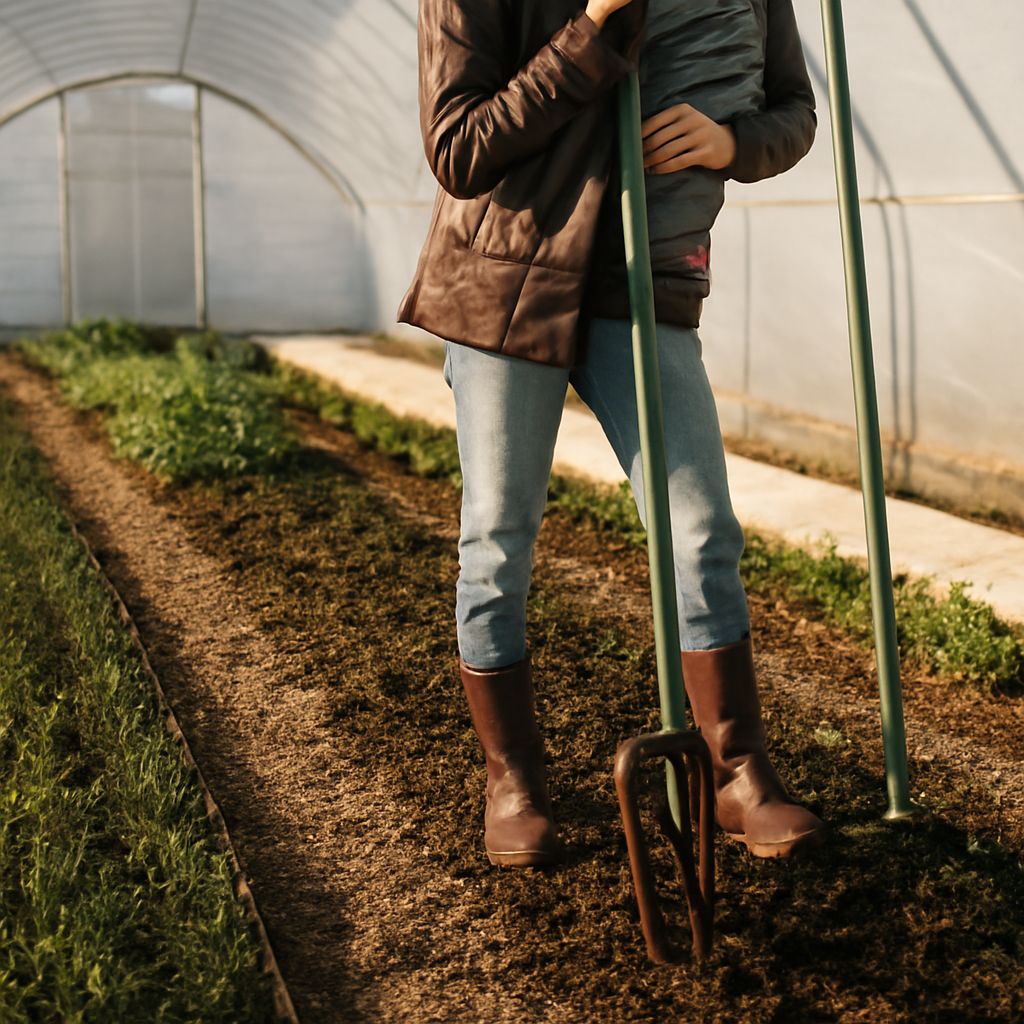
When it comes to preparing a garden, many of us think that a rototiller is essential. But did you know that you can achieve excellent results without using a tiller? In fact, learning how to till a garden without a tiller can be both rewarding and efficient. Manual tilling not only saves you money but also offers greater control over your garden’s soil. Let’s delve into the world of manual tilling and uncover the benefits of ditching that bulky machine.
Introduction to Manual Tilling
Manual tilling involves using hand tools to prepare the soil for planting. It may sound like hard work, but the process can be simplified with the right techniques and tools. Whether you’re a seasoned gardener or a beginner, understanding how to till a garden without a tiller can enhance your gardening experience, offering a more sustainable and environmentally friendly approach.
Benefits of Tilling Without a Tiller
One of the most significant advantages of tilling without a tiller is the environmental impact. By avoiding fuel-powered machinery, we reduce emissions, noise, and soil disruption. Additionally, manual tilling allows for more precise soil aeration and weed management, preventing over-tilling and preserving soil structure. It’s a more controlled way to prepare your garden, promoting healthy plant growth.
Another benefit is the cost-saving aspect. Purchasing, maintaining, and fueling a tiller can be expensive. Learning how to till a garden without a tiller can save money while still ensuring your soil is well-prepared for planting. Plus, it’s a fantastic workout, engaging multiple muscle groups.
Necessary Tools for Manual Tilling
To effectively till a garden manually, you’ll need a few essential tools. A sturdy shovel or spade is ideal for breaking up soil clumps. A hoe or mattock can help loosen and aerate the soil. For smaller gardens, a hand fork is perfect for intricate work around plants. Finally, a rake will help smooth and level the soil surface, readying it for planting.
Investing in quality tools will make the task easier and more enjoyable. Look for ergonomic designs to minimize strain and maximize comfort. These tools are not only versatile but also enduring, providing years of reliable use.
Step-by-Step Guide
Preparation and Planning
Start by assessing your garden space. Identify any rocks, roots, or debris that need removing. Check the soil moisture; it should be damp, not wet or dry, for effective tilling. Planning your garden layout in advance will streamline the process.
Tilling Techniques
Begin by using your shovel to dig into the soil, turning it over to break up compacted areas. Work in sections, focusing on one small area at a time. Follow with a hoe or mattock to further loosen the soil, improving aeration and drainage.
Use a hand fork to work around existing plants or in tight spaces. Finally, employ a rake to level the soil, removing any remaining debris and creating a smooth surface for planting. Regularly check your progress to ensure even and thorough tilling.
Common Challenges and Solutions
Manual tilling can present some challenges, such as dealing with heavy clay or rocky soil. To address these issues, consider incorporating organic matter like compost or sand to improve soil texture and drainage. Persistent weeds can also be problematic. Regular maintenance, including hand pulling and mulching, can keep these at bay.
Physical fatigue is another concern. Take breaks, stay hydrated, and use proper techniques to reduce strain. Listen to your body and break the task into manageable sessions to avoid overexertion.
Conclusion and Tips
Manual tilling is a rewarding process that enhances your connection to the garden. By using the right tools and techniques, we can effectively prepare the soil without relying on machinery. It’s not only cost-effective but also environmentally conscious.
Key takeaways: Manual tilling offers control, precision, and an eco-friendly approach to garden preparation. With the right tools and methods, you can achieve a thriving garden without the need for a tiller.