When we think of garden fences, the first images that come to mind are often plain, utilitarian barriers. However, DIY garden fences can be much more than that. They can transform your outdoor space into a personal oasis, enhancing both aesthetic appeal and functionality. It’s time to bust the myth that a garden fence is just a means of keeping critters out; it can be a centerpiece of your backyard design.
In our comprehensive guide, we’ll delve into everything you need to know about creating a DIY garden fence that stands out. From selecting the right materials to exploring various styles, you’ll discover how to craft beautiful boundaries that reflect your creativity and enhance your garden’s charm.
Introduction to DIY Garden Fences
DIY garden fences offer the perfect opportunity to customize your outdoor space to your liking. Whether aiming for privacy, aesthetics, or functionality, a well-designed fence can serve multiple purposes. Let’s explore the fundamentals you need to get started.
Choosing the Right Materials
Choosing the right materials for your DIY garden fence is crucial. Each material offers different benefits, so it’s key to align your choice with your needs and preferences. Common materials include wood, metal, and vinyl, each bringing its unique charm and functionality.
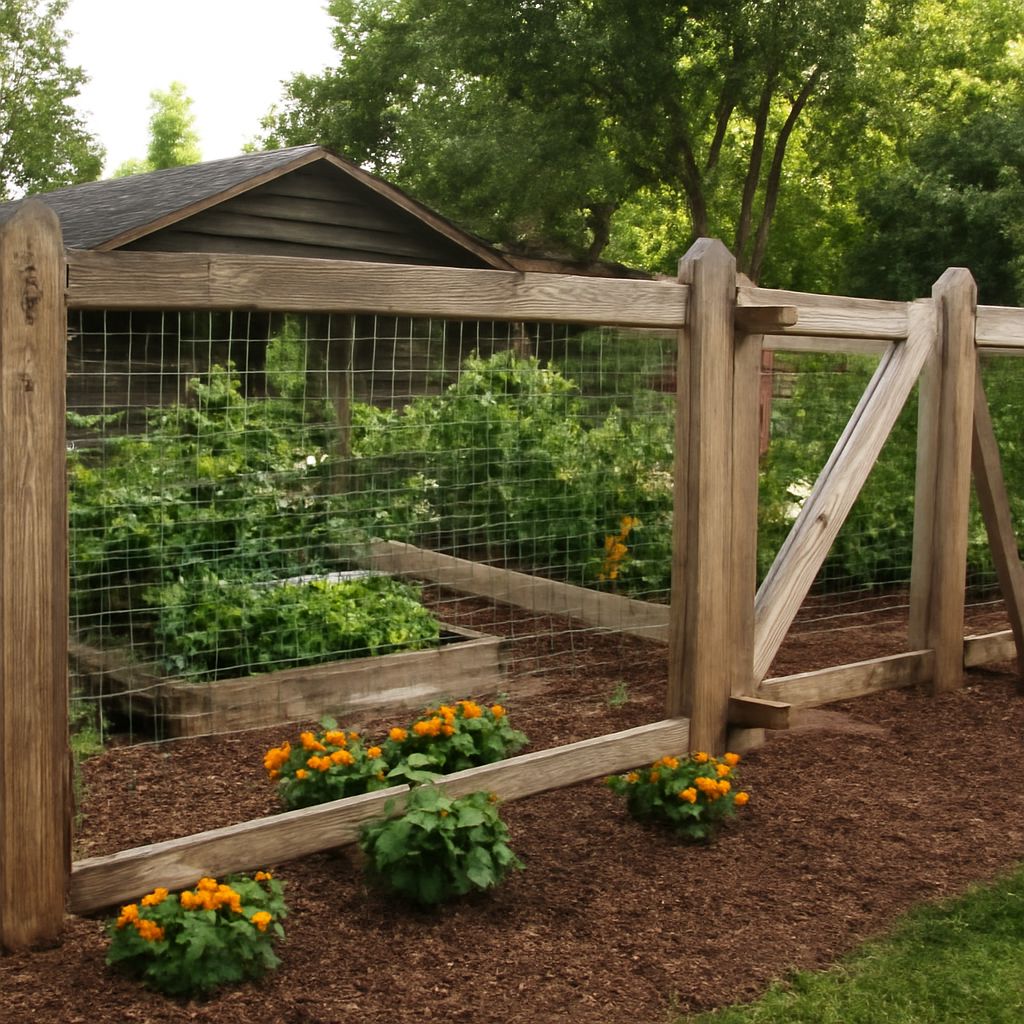
Wooden fences are a classic choice, providing a natural and warm appearance. They are versatile and can be stained or painted to match your garden’s theme. On the other hand, metal fences offer durability and a more modern look. Vinyl is low-maintenance and weather-resistant, perfect for those who prefer a more hands-off approach.
Exploring Fence Styles
Exploring fence styles is where your creativity truly comes to life. Styles range from traditional picket fences to modern minimalist designs. Consider what complements your home and garden aesthetic.
Picket fences are timeless, offering a quaint and inviting feel. For a more contemporary look, horizontal slat fences provide clean lines and a sleek appearance. If privacy is your main concern, solid panel fences offer a robust solution while adding elegance to your landscape.
Step-by-Step Construction Guide
Building your DIY garden fence can be a rewarding project. Start by measuring your space and planning the layout. This ensures you have the right amount of materials and a clear vision of the final product.
Next, gather your tools and materials. Digging post holes and setting the posts is the first step in bringing your design to life. Ensure each post is level and secure before moving on to attaching the fence panels or slats. Take your time to ensure precision and quality in each step.
Maintenance Tips for Longevity
Maintaining your DIY garden fence is essential for ensuring its longevity. Regular checks for wear and tear can prevent minor issues from becoming major problems.
For wooden fences, applying a fresh coat of sealant or paint every couple of years helps protect against the elements. Metal fences may require occasional rust treatment, while vinyl fences benefit from simple cleaning with soap and water to keep them looking pristine.
Inspiring Ideas and Designs
Looking for inspiration? There are countless designs to explore that can suit any garden style. Consider incorporating planters into your fence for a living wall effect, or use reclaimed wood for an eco-friendly and rustic appearance.
Creative touches like adding decorative post caps or integrating lighting can make your fence a standout feature in your garden. Don’t be afraid to let your personality shine through your design choices, making your DIY garden fence a true reflection of your taste.