A low, spreading stonecrop can cover a dry edge of a bed; an upright kind can raise flower heads above neighboring plants. Both forms include perennial sedums, but their height and spread call for different places in the garden. Look at the mature plant before choosing among these succulent sedum varieties.
Fleshy leaves help these plants hold water, and many are well suited to sunny, well-drained ground. Their ability to return after winter depends on the particular species or cultivar and on the conditions in your garden.
Sedum succulent types and their winter habits
Many stonecrops are perennials: their roots or growing crowns live through the dormant season and send up growth again. Some keep low foliage through winter; others, including many upright types, die back above ground and reappear in spring. A sedum perennial may be hardy in one climate and tender in another, so match the named plant’s USDA hardiness range to your location.
Among sedum succulent types, growth habit is as important as the zone on the label. Low varieties spread outward, while upright kinds form clumps. A pot of young plants may not show the eventual difference. Check both height and width, then leave enough open soil for the plant to reach those dimensions without covering its neighbors.
Wet winter soil can harm even a cold-hardy plant. Check whether rain drains away from the intended bed; a plant adapted to cold in freely draining soil may struggle in a low, saturated spot. A raised area or a different site is a better choice where water stands for long periods.
Choose a low, spreading form
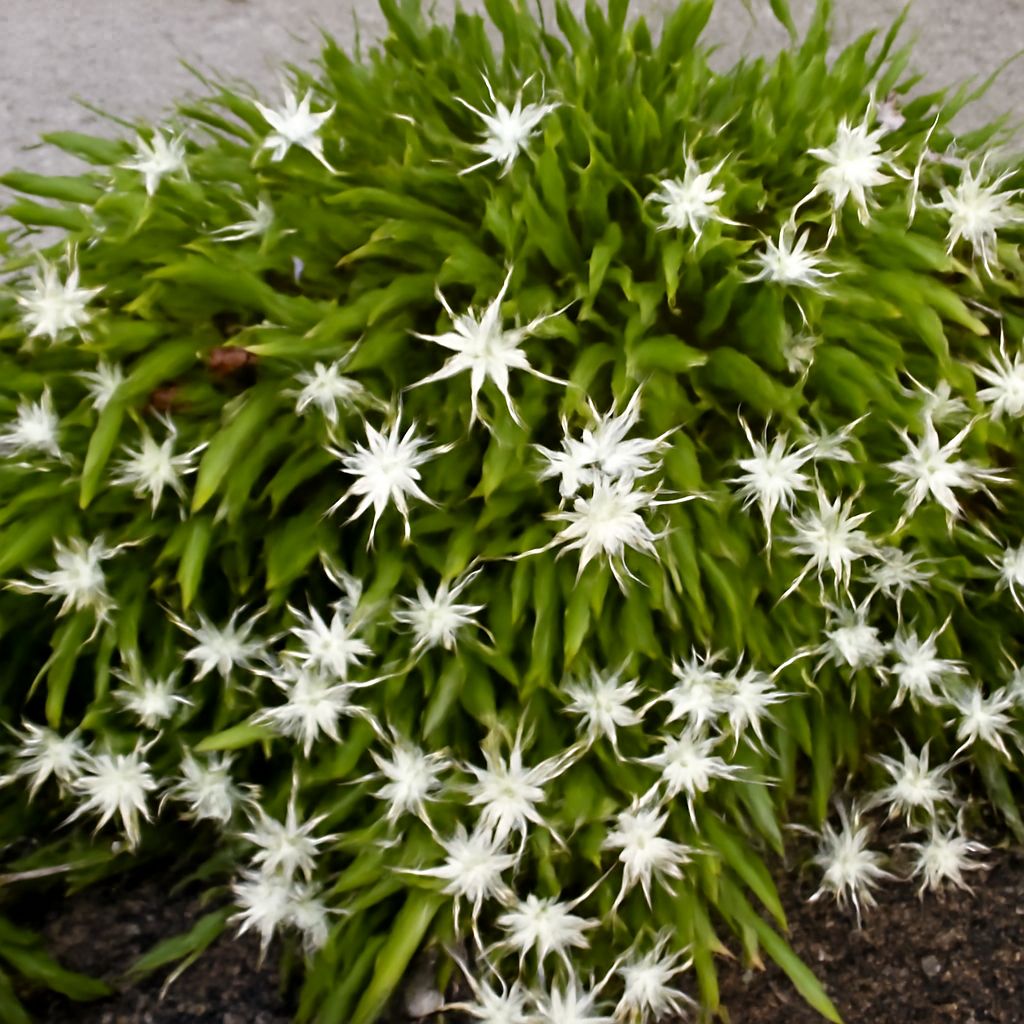
Creeping stonecrops suit the front of a sunny border, a rock garden, or a wall edge where stems can spill over stone. Their leaves may form small rosettes or a low mat, and their flowers rise above the foliage. Sedum album, white stonecrop, is one example; it prefers well-drained ground and full sun, though it tolerates light shade.
Allow room for the plant to spread, and keep the edge clear of weeds while it fills in. Small pieces of stem can root where they touch soil, so trim shoots that cross into a path or overtake a neighboring plant. A spreading cover is not a durable lawn for regular walking; leave stepping stones where you need access.
Different succulent types of sedum have different rates of spread and cold tolerances. Check local guidance before placing a vigorous species near natural areas, and choose a named plant that fits the area you can maintain. A container or defined bed can make a spreading variety easier to keep in bounds.
Make room for an upright clump
Tall sedum makes a useful middle layer in a sunny border. Stems rise from a clump and carry broad flower heads above fleshy leaves, giving the bed height without a support in good conditions. Leave space around the crown for air and for each season’s new shoots. Avoid planting directly in front of a small specimen you want to keep visible.
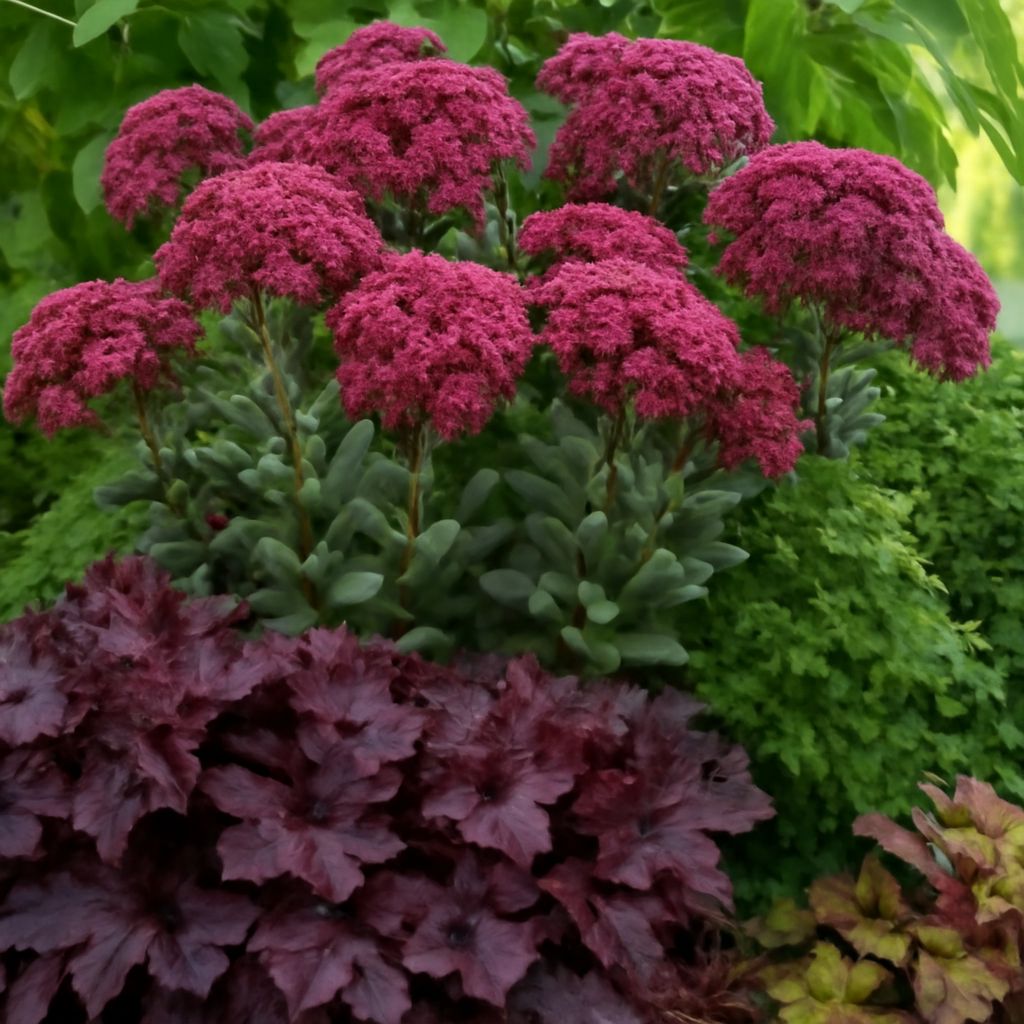
The sedum Brilliant is an upright selection of showy stonecrop. You may see the label Sedum spectabile Brilliant; University of Missouri identifies it as Hylotelephium spectabile ‘Brilliant’ and notes the older Sedum name. The naming difference matters when searching for a plant, but both labels may point you toward the same selection.
Brilliant sedum forms an upright clump with gray-green foliage and flat heads of pink flowers in late summer and fall. The university describes it as typically 18 to 24 inches tall. Check the label on the plant you buy as well as your site’s drainage; cold tolerance does not protect its roots from sitting in water.
Place this tall form of sedum where its flowers can be seen from a path or window. Bees and butterflies visit the blooms, and the heads can remain attractive as they dry. In a mixed bed, repeat a few clumps with space between them instead of crowding a single plant into a narrow gap.
Plant in sun and care through the year
Give a perennial sedum at least six hours of direct sun and soil that drains readily. Average or lean soil is generally suitable; excessive fertilizer or rich, wet ground can encourage soft growth and flopping in an upright plant. If the soil stays soggy, choose a raised planting area with a broad base of well-drained soil rather than adding a little grit to one hole.
Plant at the same depth as the nursery pot. Water thoroughly after planting, then check the root area as the plant establishes. When the upper soil dries, water deeply and let excess drain. Once rooted, these succulent plants tolerate dry periods, but water during prolonged drought if foliage shrivels and the soil is dry throughout the root zone.
In spring, cut away old upright stems before fresh shoots expand. You can leave dry flower heads standing through winter for structure and remove them when new growth appears. If the center of an older clump weakens or growth becomes crowded, lift and divide it in spring, replanting healthy sections and watering them as they establish.
For a low edge or rock garden, choose a spreading sedum suited to the available width and your winters. For flower heads above the border, choose an upright selection such as the Brilliant variety of sedum and give it room to form a clump. Both choices begin with sun, drainage, and a hardiness rating for the specific plant.