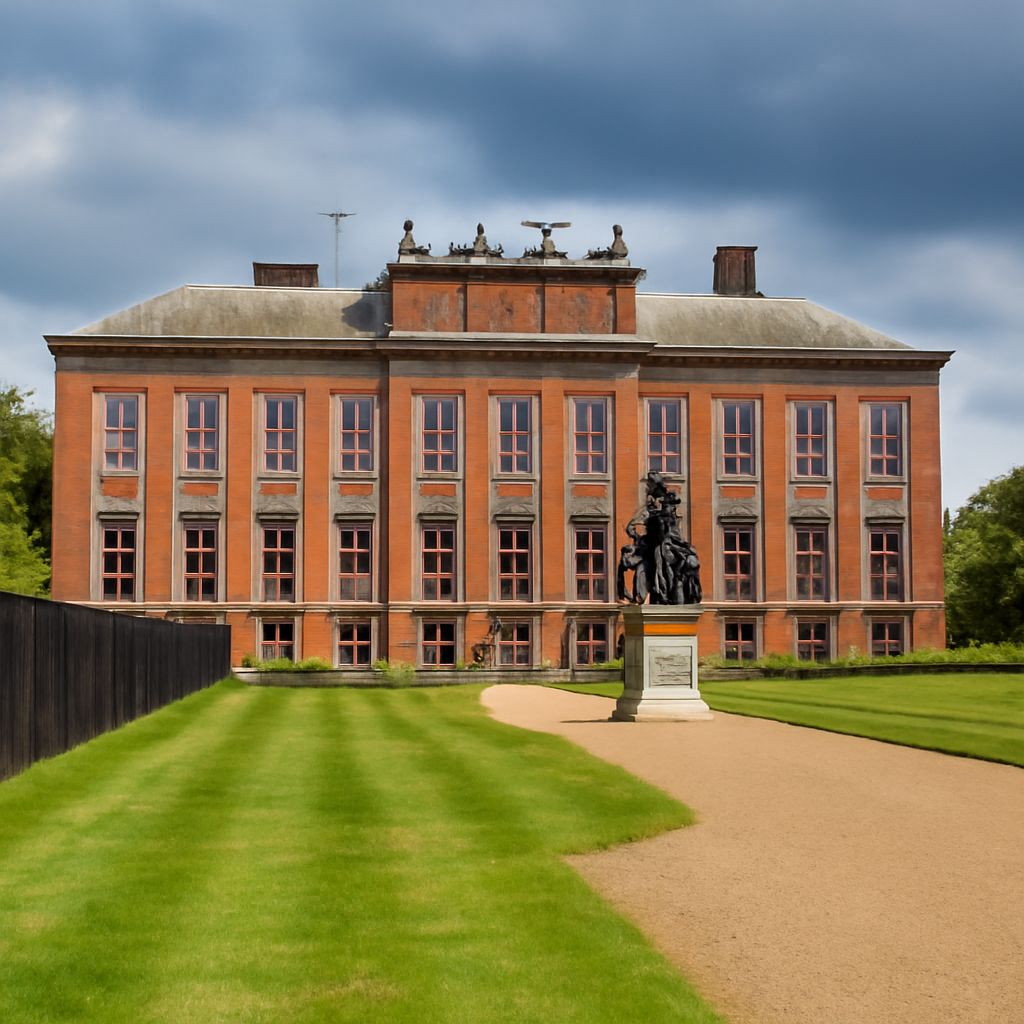
For many, Kensington Gardens is simply a patch of green amid London’s urban sprawl—a place for joggers, picnics, or a stroll with friends. But is it really just another city park? That’s the myth we’re here to bust. Kensington Gardens blends sophisticated design and centuries of history with modern events, making it much more than open space. Anyone interested in design or landmarks should take a closer look at what makes this park unique.
Our journey through Kensington Gardens will spotlight its elegant layout, architectural landmarks, and the vibrant calendar of activities it hosts. We’ll explore how this royal park, at the edge of bustling London, is both a masterpiece of landscape design and a hub for culture and community. Let’s uncover why Kensington Gardens remains one of London’s most remarkable destinations for design, history, and events.
Introduction to Kensington Gardens
Kensington Gardens is one of London’s eight Royal Parks, covering 265 acres in the heart of the city. Bordered by Hyde Park to the east and Kensington Palace to the west, the gardens offer a tranquil, carefully curated escape from urban life. Designed with both pleasure and prestige in mind, the park’s story stretches back to the early 18th century, when Queen Caroline transformed the grounds into a formal garden for Kensington Palace.
Today, Kensington Gardens welcomes locals and tourists alike. We find it remarkable how the park balances its royal heritage with contemporary uses. The gardens are not just a green lung for the city—they are a living testament to the history of landscape architecture, royal influences, and cultural events in London. Throughout the year, the park continues to evolve, hosting everything from art installations to family-friendly activities.
As we walk through its tree-lined avenues and open lawns, we sense layers of history underfoot. Kensington Gardens is where tradition and modern life meet, shaping a space that feels both timeless and fresh.
Design and Layout of Kensington Gardens
The design of Kensington Gardens reflects a blend of formal and naturalistic styles. Originally, the park’s layout echoed the geometric order of 18th-century European garden design, with straight avenues and carefully clipped hedges. Over time, the gardens adopted a more relaxed English landscape approach. Today, we see this fusion in winding paths, broad avenues, and open lawns that invite exploration.
One of the most distinctive aspects of Kensington Gardens is its clear structure. The Long Water—a grand ornamental lake—acts as a spine, while avenues like the Broad Walk and the Flower Walk guide us through different zones. Each section offers its own mood: formal planting beds near the Palace, wildflower meadows by the Serpentine, and shady groves perfect for quiet reflection.
We are especially drawn to the thoughtful placement of benches, art installations, and vistas throughout the park. These design choices encourage visitors to pause, take in the surroundings, and appreciate the ever-changing views. Kensington Gardens’ design manages to feel both grand and welcoming—an impressive feat in a city park.
Seasonal change is also a key feature here. The garden’s plant palette ensures visual interest year-round, with spring bulbs, summer roses, autumn foliage, and winter silhouettes all playing their part. For design enthusiasts, Kensington Gardens is a case study in how landscape architecture can serve both function and beauty over centuries.
Landmarks and Notable Features
Kensington Gardens is rich with landmarks that reflect both its royal connections and its commitment to public art. The most iconic is Kensington Palace, the historic residence of royalty since the 17th century. As we wander the grounds, we’re often drawn to the Sunken Garden, famous for its formal layout and colorful blooms. This space has become especially significant as a place of remembrance, most recently dedicated to Princess Diana.
Another highlight is the Albert Memorial, a towering Gothic monument commissioned by Queen Victoria in memory of her husband, Prince Albert. This landmark anchors the south-east corner of the gardens, catching the eye from afar and serving as a gathering point for visitors. The ornate design and symbolic sculptures make it a must-see for anyone interested in Victorian-era aesthetics.
One of the most playful features in Kensington Gardens is the Peter Pan statue, tucked away near the Long Water. Inspired by J.M. Barrie’s classic tale, the statue delights both children and adults with its whimsical detail. Elsewhere, modern design finds its place in the Serpentine Galleries—two contemporary art spaces that host cutting-edge exhibitions each year.
From historic palace to avant-garde gallery, Kensington Gardens’ landmarks tell a story that spans centuries. Each feature is carefully integrated into the landscape, ensuring the park is as much a cultural destination as a place for relaxation.
Events and Activities
Kensington Gardens is more than a static landscape—it is a living venue for London’s dynamic event calendar. Each year, the park hosts an impressive array of activities that attract design lovers, families, and culture seekers. The Serpentine Pavilion, an annual architectural commission, transforms the landscape with innovative temporary structures. These pavilions are a highlight for anyone interested in contemporary design and architecture.
Seasonal events also shape the park’s rhythm. In summer, we gather for open-air concerts, guided garden walks, and children’s theater productions. Art exhibitions frequently spill out from the Serpentine Galleries into the surrounding lawns, creating an immersive experience that connects art with nature. During the colder months, holiday-themed events and winter walks draw us in to appreciate the garden’s quiet beauty.
The park’s open spaces encourage informal activities as well. We see joggers on the Broad Walk, yoga classes under the trees, and families picnicking by the Round Pond. Kensington Gardens supports both large-scale events and everyday moments of leisure—a balance that keeps the park vibrant all year round.
For those passionate about design and public spaces, the events at Kensington Gardens are a chance to experience how landscape, architecture, and community can come together in unexpected ways. The park’s event calendar is always evolving, ensuring that every visit brings something new.
Visitor Tips
Getting the most out of a visit to Kensington Gardens requires just a bit of planning. The park is open year-round from dawn until dusk, with multiple entrances along Bayswater Road, Kensington Road, and Queensway. We recommend arriving early on weekends to enjoy the peaceful morning atmosphere before the crowds arrive.
If you’re interested in specific landmarks, start your visit at Kensington Palace and work your way toward the Serpentine Galleries. The Broad Walk provides a scenic route through many of the park’s highlights. For a quieter experience, the northwestern meadows and the Italian Gardens offer space to relax away from the main thoroughfares.
Facilities include several cafés, public restrooms, and accessible paths throughout most areas. Seasonal guided tours are available for those who want deeper insight into the park’s history and design. We always suggest checking the Royal Parks’ website for up-to-date information on events and occasional closures, especially if you’re planning around a major activity or exhibition.
Whether you’re visiting for a landmark, an event, or a moment of quiet, Kensington Gardens offers plenty to explore and enjoy. A little preparation goes a long way in making your experience memorable.
Conclusion
Kensington Gardens stands out as a space where design, history, and culture intertwine. Its layout and landmarks showcase centuries of thoughtful planning, while a rich program of events keeps the park current and dynamic. For anyone seeking inspiration—whether in landscape architecture, art, or community life—this London park offers a living example of how public spaces can adapt and thrive across generations. From its grand avenues to its smallest garden corners, Kensington Gardens invites us to slow down and appreciate the beauty and creativity that shape the world around us.