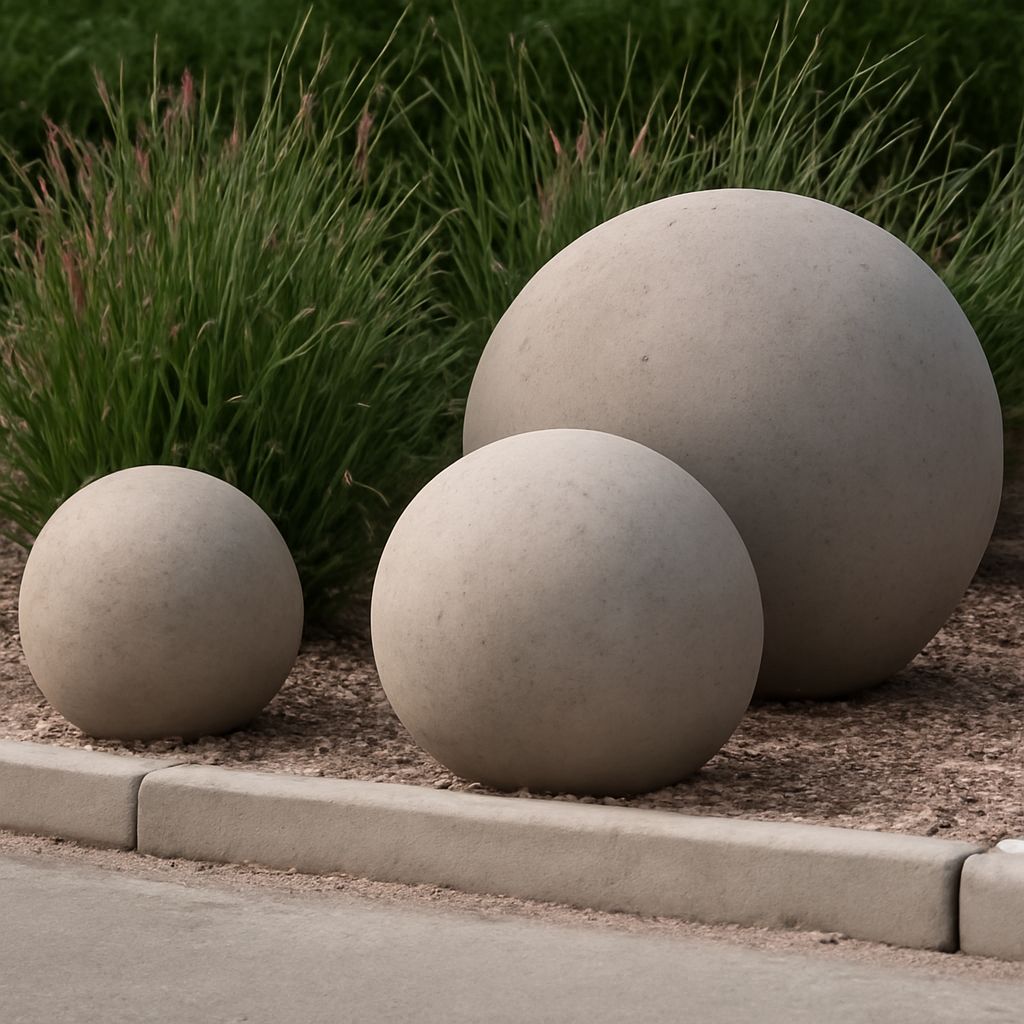
When most of us imagine garden decor, images of angular planters or classic statues may come to mind. But garden spheres are much more than fleeting design trends or simple garden ornaments. Over the years, these sculptural features have shifted from mysterious oddities to must-have statements, earning their place in both modern and traditional landscapes. Still, there are myths—some think garden spheres are purely decorative or too bold for subtle spaces. Others assume they require special care or don’t blend with natural elements.
The truth is, garden spheres offer unique features & decor advantages that go far beyond what first meets the eye. With endless material options, creative placement ideas, and minimal maintenance needs, these versatile orbs can transform our outdoor areas with personality, texture, and unexpected harmony.
What Are Garden Spheres?
Garden spheres, sometimes called garden orbs or balls, are round outdoor features that come in a variety of sizes, materials, and finishes. Typically, they are used as sculptural elements to add visual interest and a sense of cohesion to the landscape. Unlike statues or fountains, garden spheres focus on pure shape—drawing the eye with smooth curves and inviting us to notice both their form and their context.
We find that these spheres can act as focal points or supporting accents, depending on their placement. Some are large enough to anchor a courtyard, while others cluster together for subtle rhythm along a pathway. While garden spheres have roots in classical garden design, today’s options are equally at home in contemporary, cottage, or even minimalist settings.
The unique features of garden spheres include their ability to soften harsh lines, introduce repetition, and reflect light creatively. Whether steel, stone, ceramic, or glass, each sphere takes on its own character as it weathers and interacts with the garden around it.
Understanding what defines these features helps us choose the right garden spheres for our decor needs. Their flexibility means we can use them to highlight planting beds, animate open lawns, or add structure to more naturalistic areas.
Design Benefits of Garden Spheres
One of the standout design benefits of garden spheres is the sense of harmony they bring to our outdoor spaces. The simple, organic shape blends with a wide range of styles, from sleek modern to rustic woodland gardens. Spheres can soften the look of strong architectural lines or bring a playful contrast to angular hardscape elements.
Their symmetry and repetition create movement and unity. For example, a trio of matching spheres can lead the eye along a garden path or define a gathering area. By varying the size or material, we add rhythm and a sense of depth—making even small or narrow spaces feel dynamic.
Another benefit comes from their ability to act as visual anchors. Placing a sphere at the end of a vista, in the center of a bed, or among perennials draws attention and gives our plantings a year-round boost—even when flowers fade. Reflective or metallic spheres offer an extra layer of interest by bouncing light and mirroring the garden’s changing colors.
Because garden spheres don’t compete with plants for attention, they serve as excellent companions to both bold and delicate foliage. Their unique features & decor impact lies in their quiet versatility and their power to spark curiosity and conversation.
Popular Materials & Styles
When choosing garden spheres, material plays a huge role in both appearance and longevity. Stainless steel remains a favorite for modern gardens, thanks to its shine and resistance to weather. These metallic spheres can reflect the sky and surrounding plant life, making them feel almost weightless or ethereal. For those who prefer a more natural look, stone garden spheres—made from granite, sandstone, or even concrete—bring earthiness and a solid presence.
Ceramic garden spheres offer a pop of color and often feature intricate glazes or patterns. These are wonderful for adding interest to Mediterranean or eclectic gardens. Glass spheres catch the light beautifully, making them ideal for spots with dappled sun or among shade-loving ferns. There are also resin and recycled material options—lightweight, easy to move, and surprisingly durable.
As for styles, we see everything from perfectly polished orbs to rough-hewn, weathered finishes. Some garden spheres have cutouts, mosaics, or LED lights embedded for a magical evening effect. Others are left to develop a natural patina over time, blending seamlessly into their environment.
The versatility in materials and styles means we can find the right sphere to enhance any garden theme or color scheme. Whether we’re drawn to industrial chic, cottage charm, or Zen minimalism, there’s a sphere that fits.
How to Use Garden Spheres in Decor
Incorporating garden spheres into our decor allows for endless creativity. One tried-and-true approach is grouping spheres of varying sizes for a natural, clustered effect. Mixing materials within a group—like pairing stone with glass—adds complexity and texture. Alternatively, placing a single large sphere as a bold centerpiece can give an area instant drama and presence.
We love using garden spheres to highlight planting beds. Nestling orbs among ornamental grasses or groundcovers lets the spheres peek through the foliage, creating pleasing contrasts in shape and color. In water features, floating or partially submerged spheres can evoke a sense of calm and wonder.
Another unique features & decor strategy is using spheres to break up large expanses of lawn or gravel. Lining a walkway with low spheres gives a sense of direction and rhythm, while stacking or arranging them in spiral patterns invites exploration. For those with limited space, even a few small spheres on a balcony or patio can provide design impact without clutter.
Lighting also plays a role. At dusk, placing solar spotlights near metallic or glass spheres can make them glow, extending their visual interest into the evening hours. For seasonal refresh, we rotate lightweight spheres or swap in painted options to reflect changing garden colors.
Garden Sphere Placement Tips
Placement is key to getting the most out of garden spheres. When deciding where to position them, we consider both their function and the garden’s layout. As focal points, large spheres do well at intersections, ends of paths, or central beds. To create gentle movement, we stagger smaller spheres along edges or within planting drifts.
Spacing matters. Too crowded, and the spheres lose individual impact; too isolated, and they risk feeling disconnected from the garden. We aim for visual balance, using odd numbers and varying heights for a relaxed, natural feel. For example, pairing a tall glass orb with two shorter stone ones guides the eye and adds playfulness.
Surroundings also affect the atmosphere. Placing reflective spheres near water doubles their charm, while nestling matte spheres among textural plantings lets them serve as subtle highlights. For high-traffic zones, durable materials like concrete or steel work best to withstand bumps and weather.
We recommend occasionally adjusting placements as plants grow or seasons shift. This keeps the garden feeling fresh and allows the spheres to interact differently with light and shadow throughout the year.
Maintenance & Longevity
Thankfully, caring for garden spheres is straightforward. Most materials—like stainless steel or natural stone—need only occasional rinsing or gentle wiping to remove dirt and debris. Ceramic and glass spheres may benefit from overwintering in sheltered spots if local temperatures drop below freezing, protecting them from cracks or chips.
When using garden spheres as unique features & decor, we check for any signs of wear, especially with painted or glazed finishes. For outdoor use, choosing UV-resistant finishes helps preserve color and sheen. If moss or algae starts to build up, a soft brush and mild soapy water usually restore their appearance without harming surrounding plants.
Durability depends on both material and placement. Spheres nestled in shaded, protected areas tend to weather more slowly, while those placed in open, sunny spaces may develop a charming patina. Rotating lightweight spheres and securing larger ones helps prevent damage from wind or garden tools.
Ultimately, well-chosen garden spheres require little effort to maintain their beauty for years. By selecting quality materials and thoughtful placements, we can enjoy the design benefits and visual delight these spheres bring to our gardens season after season.