Choose a compact mandarin for a sunny patio or a larger tree for a warm, spacious yard. A dwarf tree of mandarins is easier to move indoors when cold weather comes, while a full-size tree needs a permanent place with room for its crown and roots.
Dwarf mandarin tree: Match the tree to your space
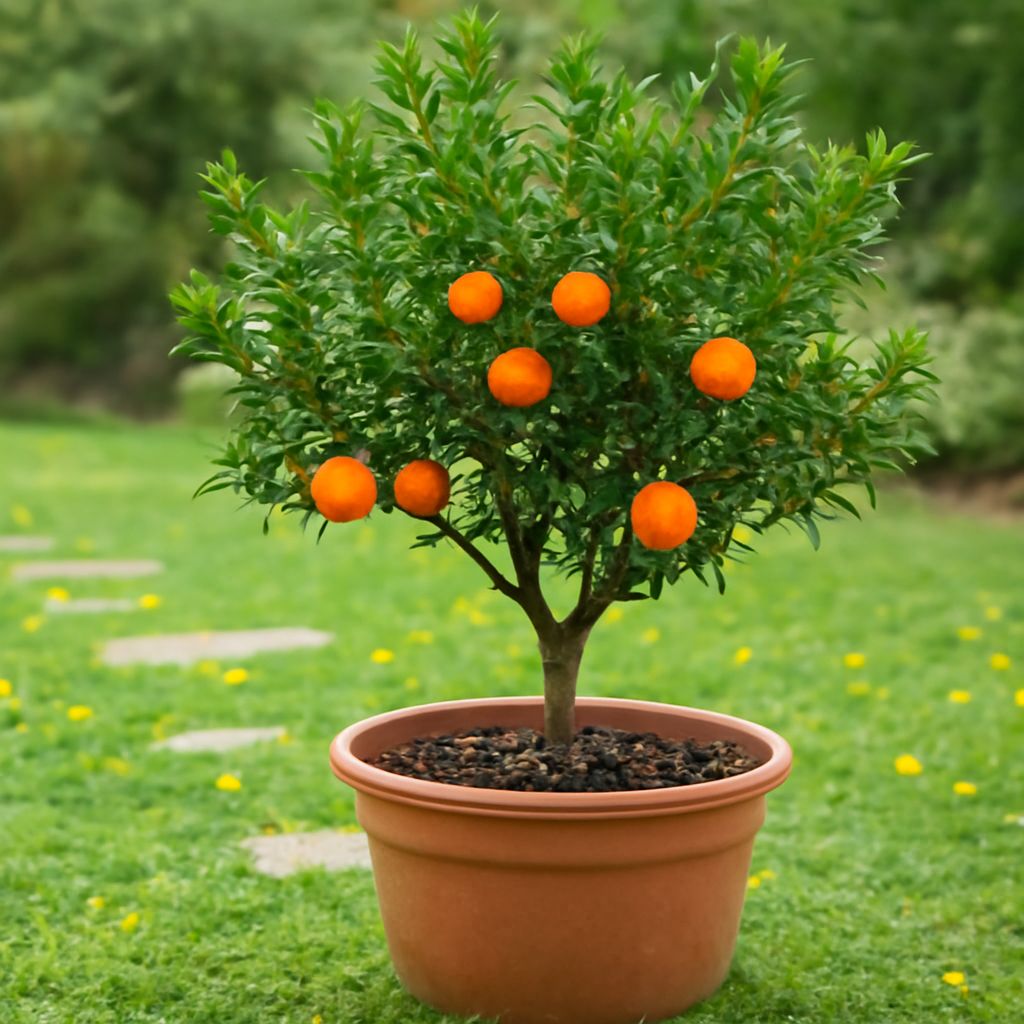
A dwarf mandarin tree is usually grafted onto a rootstock that limits its growth. Many stay around 6 to 10 feet tall, although the variety, rootstock, pruning, and container all affect the finished size. Ask the nursery for the expected height of the particular tree it sells. A compact tree of mandarins in a pot can be easier to manage, but it will also need more frequent attention to water than a tree in the ground.
A standard mandarin tree can reach roughly 15 to 25 feet, depending on the variety and growing conditions. Give it enough open ground for the mature canopy, access for picking, and clearance from walls and other trees. In a small yard, measure the sunny space before bringing a sapling home; a young plant gives little hint of the room it may eventually need.
A dwarf mandarin orange tree suits a terrace where a larger citrus would crowd the walkway. Leave space around the pot for air to move and for you to reach the branches. If the tree must spend winter indoors, measure the doorway and make sure you can move the pot safely, perhaps with a wheeled plant stand.
Choose a healthy young plant
When comparing a mandarin orange tree for sale, look for a named, grafted variety from a reputable nursery. A grafted plant offers a known fruit type and generally reaches bearing age sooner than one grown from seed. Seedlings may differ from their parent and take years to flower.
Look for green leaves, firm stems, and a trunk free of wounds or soft patches. Turn over a few leaves and check for scale insects or fine webbing. Ask to see the roots if possible: healthy roots should be firm, and the pot should drain freely. Avoid a plant with a sour-smelling, waterlogged root ball or roots tightly circling the pot.
Ask which rootstock the nursery used and how large the mandarin will grow on it. For a dwarf tree bearing mandarin oranges, ask about mature size in a container as well as in the ground. Before ordering a mandarin orange plant for sale from another state, check local citrus shipping and quarantine rules; restrictions vary by location. When buying a mandarin orange tree, compare the offered cultivar and rootstock as well as the price.
Give roots good drainage
For a container, start with a pot just a few inches wider than the nursery root ball, with drainage holes in the bottom. A very large pot holds more wet mix around small roots. Use a well-draining potting mix rather than dense garden soil, and set the plant at the same depth it grew in the nursery pot. Keep the graft union above the soil line.
Water thoroughly until excess runs out, then empty the saucer. Check the mix with a finger before watering again: let the top inch or two begin to dry, while keeping the root ball from drying out completely. A potted dwarf mandarin needs closer checks during hot, windy weather and generally less water in a cool room. The pot’s weight is another clue; it becomes noticeably lighter as the mix dries.
For planting in the ground, choose a well-drained spot in full sun, sheltered from strong wind. Keep the trunk clear of piled soil and mulch. Water deeply enough to wet the root area, allowing the surface to dry somewhat between waterings. Avoid planting in a lawn that receives frequent shallow irrigation, which can leave citrus roots too wet. University of California guidance explains site and watering considerations.
Make room for fruit
Sun and warmth matter as much as a healthy start for trees bearing mandarins. Outdoors, give the tree full sun for most of the day. Indoors, place it at your brightest window and consider a grow light if light is limited. Mandarin fruit needs warmth to develop good sweetness; a cool summer can slow ripening.
Feed during active growth with a fertilizer labeled for citrus, following its directions for container or ground-grown plants. Too much fertilizer can encourage excessive soft growth, so measure rather than guessing. Remove dead or crossing branches and shoots arising below the graft, but keep pruning light enough to preserve a productive canopy.
Many mandarins can set fruit without another tree, but pollination needs vary by cultivar. Ask the nursery whether your chosen variety needs a compatible pollinizer and whether cross-pollination may make fruit seedy. Indoors, gently flicking open flowers can help move pollen; University of Minnesota Extension also recommends giving indoor citrus direct sun and moving it outside gradually in summer.
In a region with freezing winters, plan where your container will go before buying. Move it under cover before damaging cold arrives, and acclimate it gradually when returning it outdoors. For a sunny patio with a bright winter room, choose a small mandarin and a movable pot. For a warm yard with well-drained soil and ample clearance, choose a standard tree and give it a permanent place in the sun.