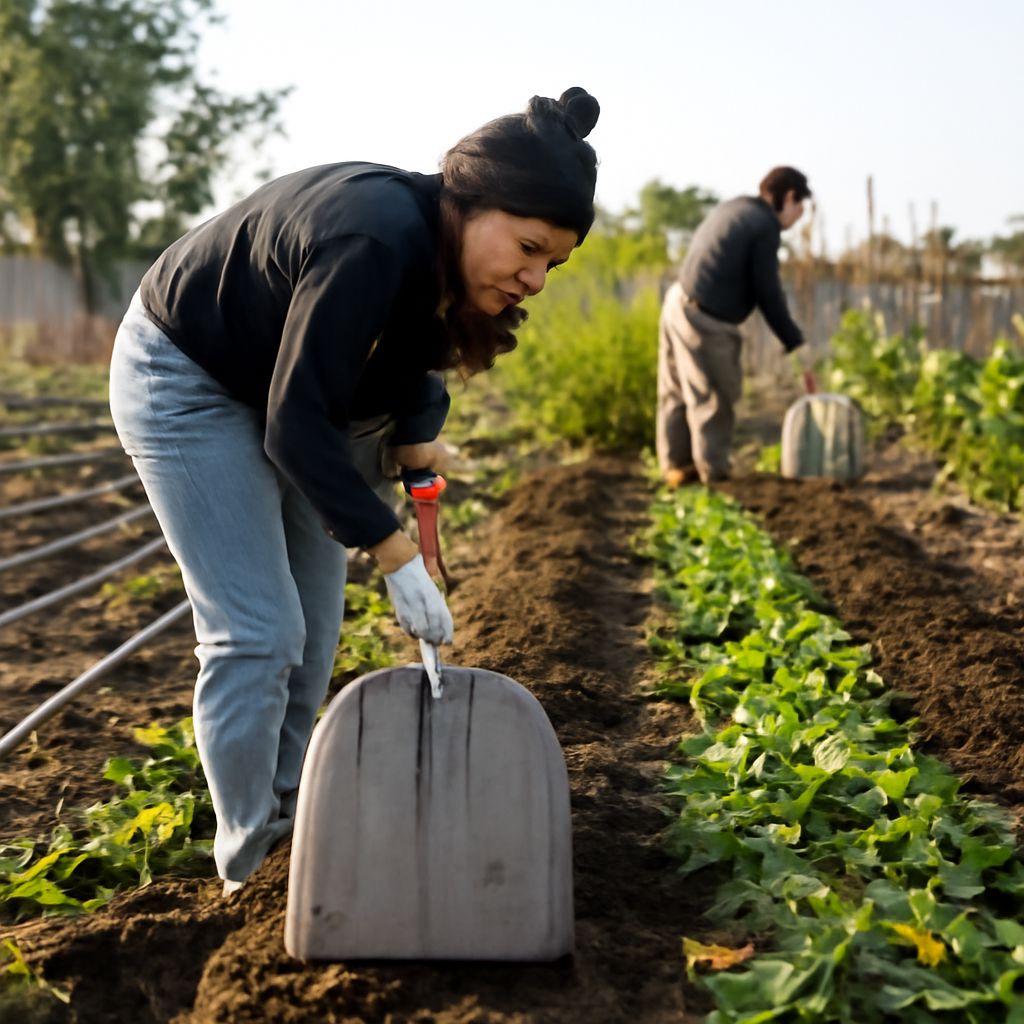
When we think of gardening, we often picture neat rows of colorful flowers or organized patches of vegetables. But there’s a timeless design that defies conventional layouts while delivering incredible benefits: the 3 Sisters Garden. This ingenious method, originating from indigenous cultures, challenges the myth that modern techniques are superior by showcasing how traditional methods can lead to lush productivity and environmental harmony. Let’s dive into the 3 Sisters Garden and explore styles and ideas that make this age-old practice relevant today.
We may be tempted to think that historical gardening styles are outdated or too labor-intensive. However, the 3 Sisters Garden dispels this notion, offering a sustainable and efficient approach that aligns with modern gardening sensibilities. This style combines the strengths of three unique plants, creating a system that supports growth and resilience. Let’s get into the details of how this works.
Introduction to the 3 Sisters Garden
The 3 Sisters Garden is a method of companion planting that features corn, beans, and squash. These three plants are grown together, allowing them to complement each other’s growth patterns and nutrient requirements. The corn provides a natural trellis for the beans, the beans enrich the soil with nitrogen, and the squash spreads out to suppress weeds and retain soil moisture.
This symbiotic relationship exemplifies the idea of working with nature rather than against it. The 3 Sisters Garden is not just a planting method but a holistic approach to gardening that fosters cooperation between plants and the gardener.
Historical Significance and Origins
The 3 Sisters Garden has deep roots in Native American agriculture, particularly among the Iroquois and other northeastern tribes. It exemplifies indigenous wisdom in using local resources efficiently and sustainably. This garden method was not only a source of food but also a representation of the interconnectedness of life.
Traditionally, these plants were planted together in small mounds, allowing them to thrive in synergy. This practice was passed down through generations, emphasizing the value of tradition and ecological balance in food production.
Companion Planting and Benefits
Companion planting is central to the 3 Sisters Garden, where the plants mutually benefit from their shared space. The tall corn acts as support for climbing beans, while the beans replenish soil fertility through nitrogen fixation. Additionally, the broad leaves of the squash shade the ground, reducing weed growth and conserving moisture.
This method illustrates how companion planting can lead to productive gardens without the need for chemical fertilizers or pesticides. By mimicking natural ecosystems, we can create environments that promote healthy growth and biodiversity.
Designing Your Own 3 Sisters Garden
Designing a 3 Sisters Garden requires careful planning to ensure each plant has enough space to perform its role. Start by preparing the soil with compost to boost initial fertility. Then, plant the corn in small mounds, about 6 inches tall and 12 inches wide. Once the corn reaches a foot tall, plant the beans around the base, followed by the squash at the perimeter.
When choosing varieties, consider local climate and soil conditions. Selecting heirloom or indigenous strains can enhance authenticity and resilience. Pay attention to spacing and water needs, and adapt as necessary to accommodate different growth patterns.
Modern Adaptations and Innovations
While respecting traditional methods, modern gardeners have adapted the 3 Sisters Garden to suit contemporary spaces and needs. Raised beds and container gardening allow urban dwellers to incorporate this design on balconies or patios. Additionally, integrating other companion plants can further diversify the garden’s ecosystem.
Innovations like drip irrigation and mulching can optimize water use and soil health. By blending time-honored practices with modern techniques, we can create gardens that are both sustainable and aesthetically pleasing.
Common Challenges and Solutions
Gardening always comes with challenges, and the 3 Sisters Garden is no exception. Pests like caterpillars may target the corn, while squash can suffer from powdery mildew. To mitigate these issues, consider natural pest control methods such as introducing beneficial insects or using neem oil.
Another challenge is ensuring adequate sunlight, as the sprawling nature of squash can shade other plants. Regularly trimming leaves and adjusting plant placement can help maintain balance. With thoughtful planning and proactive care, these challenges can be overcome.