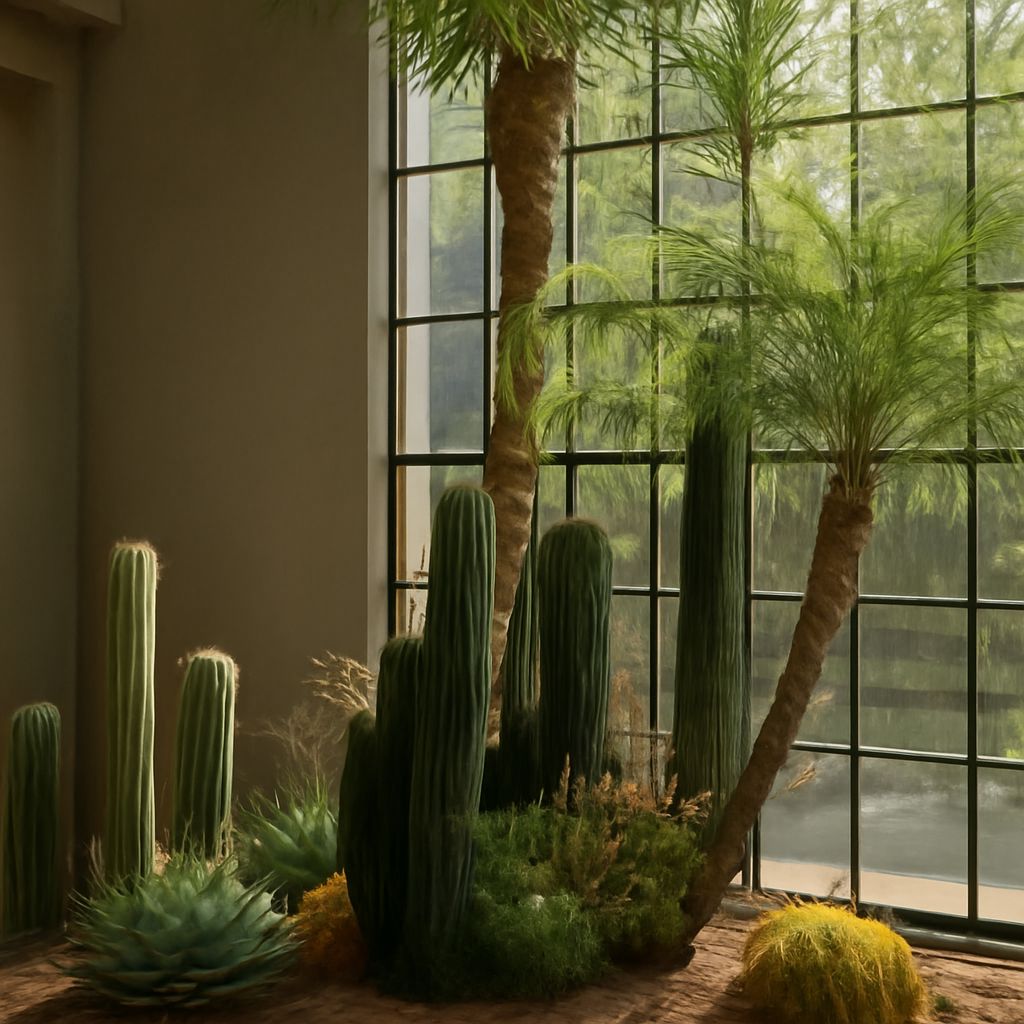
When most people think of gardens, lush greenery and vibrant flowers come to mind. However, the beauty of desert gardens lies in their unique ability to thrive in arid environments, challenging the myth that only tropical plants can be visually stunning. By focusing on the unique characteristics of desert gardens, we can create specialty spaces that are sustainable and aesthetically pleasing.
Creating a desert garden involves more than simply planting succulents and cacti. It requires an understanding of the local climate, careful selection of suitable plants, and thoughtful design principles tailored to arid landscapes. Let’s explore how we can design our own unique desert garden and embrace the beauty of these specialty spaces.
Understanding Desert Gardens
Desert gardens are unique landscapes that mimic the conditions found in arid environments. These gardens utilize plants that have adapted to survive with minimal water and extreme temperatures. Understanding these conditions is crucial to designing a successful desert garden. By focusing on drought-resistant plants and efficient water usage, we can create a garden that is both beautiful and sustainable.
In desert gardens, soil plays a critical role. Sandy or gravelly soils with excellent drainage are ideal as they prevent water from pooling around plant roots. By selecting the right soil and employing mulching techniques, we can help our plants thrive in these challenging environments.
Choosing the Right Plants
When selecting plants for our desert garden, we should consider species that are naturally adapted to arid climates. Cacti and succulents are popular choices due to their water storage capabilities and unique forms. However, a desert garden can include a variety of other drought-tolerant plants such as agaves, yuccas, and desert marigolds.
It’s important to understand the specific requirements of each plant. Some may prefer full sun, while others thrive in partial shade. By grouping plants with similar needs together, we ensure they can coexist harmoniously and enjoy optimal growing conditions. This strategic plant selection will help us maintain a balanced and vibrant desert garden.
Design Principles for Arid Landscapes
Designing a desert garden involves more than plant selection. We must consider the overall layout and features that will complement the arid environment. One key principle is to utilize hardscaping elements like rocks, gravel, and stones. These materials not only enhance the visual appeal but also reduce water evaporation and provide habitat for local wildlife.
Incorporating elevation changes and natural contours can add dimension and depth to our garden. Creating mounds or terraces allows water to flow naturally, reducing erosion and aiding in water conservation. By embracing these design principles, we can create a desert garden that is both functional and visually striking.
Incorporating Water Features
While water is scarce in desert environments, incorporating water features can provide a refreshing contrast and enhance the garden’s appeal. Features like small ponds or fountains can serve as focal points and attract birds and other wildlife, adding life and movement to the space.
When designing water features, it’s important to consider sustainability. Using solar-powered pumps and recirculating systems can minimize water waste and energy consumption. By carefully integrating these elements, we can create a balance between the arid landscape and the soothing presence of water.
Maintaining Your Desert Garden
Maintaining a desert garden requires an understanding of the unique challenges presented by arid climates. Regular monitoring of soil moisture levels and plant health is essential. This ensures that plants are receiving adequate water without over-irrigating, which can lead to root rot.
Pruning and cleaning are also important aspects of maintenance. Removing dead plant material and controlling weed growth help maintain the health and appearance of the garden. By dedicating time to regular upkeep, we ensure our desert garden remains a thriving and beautiful space.
Embracing the Aesthetic of Desert Gardens
The aesthetic of desert gardens is distinct, offering a serene and minimalist beauty. By embracing the natural hues and textures of desert plants, we can create a space that is both calming and inspiring. The unique forms of cacti and succulents, combined with the earthy tones of rocks and sand, offer a palette that is unobtrusive yet captivating.
In desert gardens, less is often more. The simplicity of the landscape allows individual plant characteristics to shine, creating focal points that draw the eye. By celebrating the understated elegance of arid landscapes, we can design a garden that reflects the tranquil beauty of the desert.


