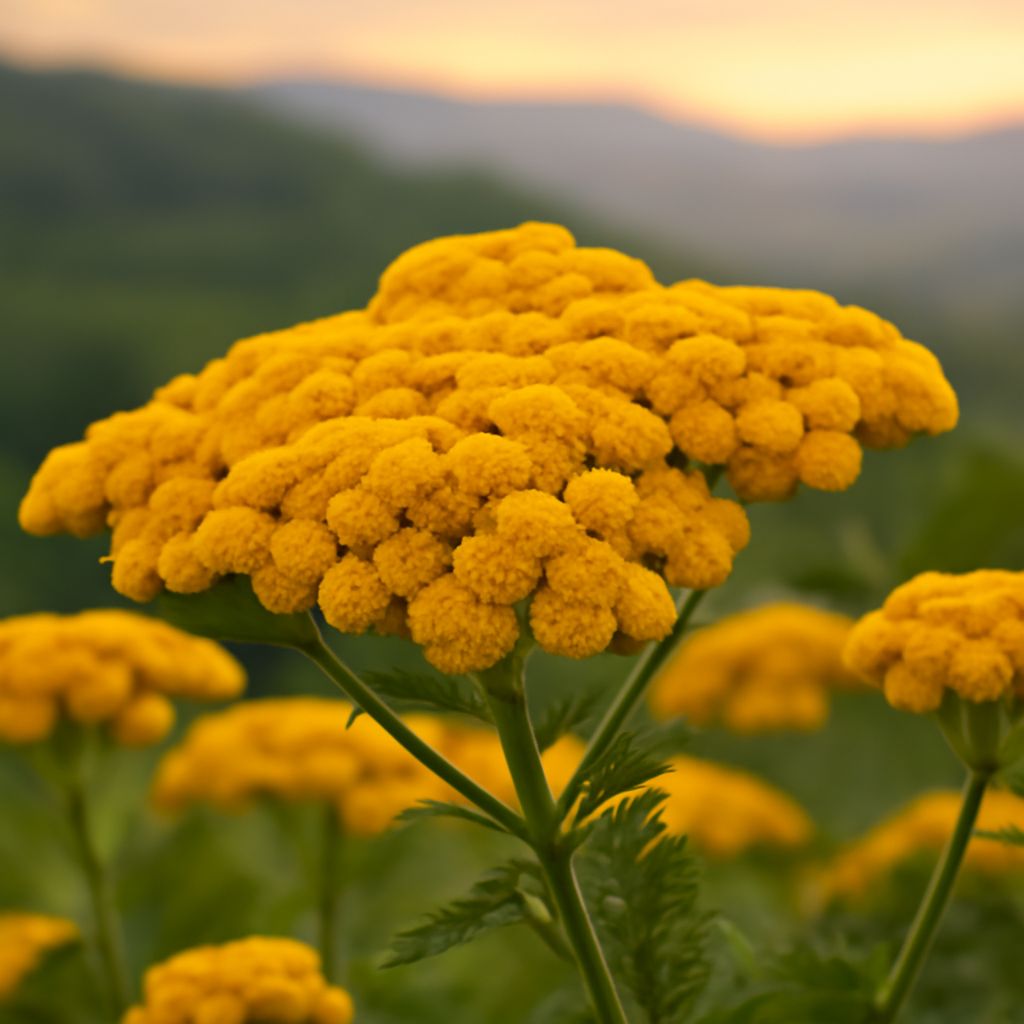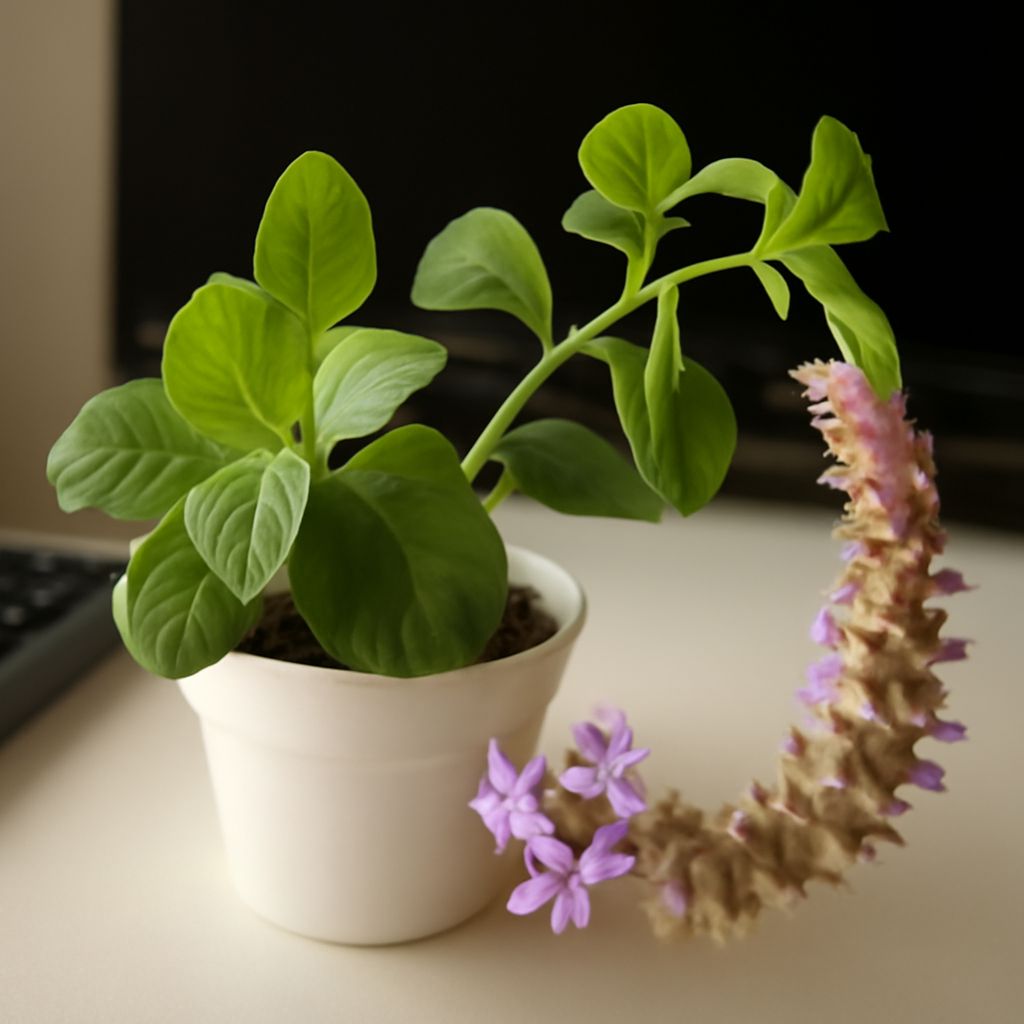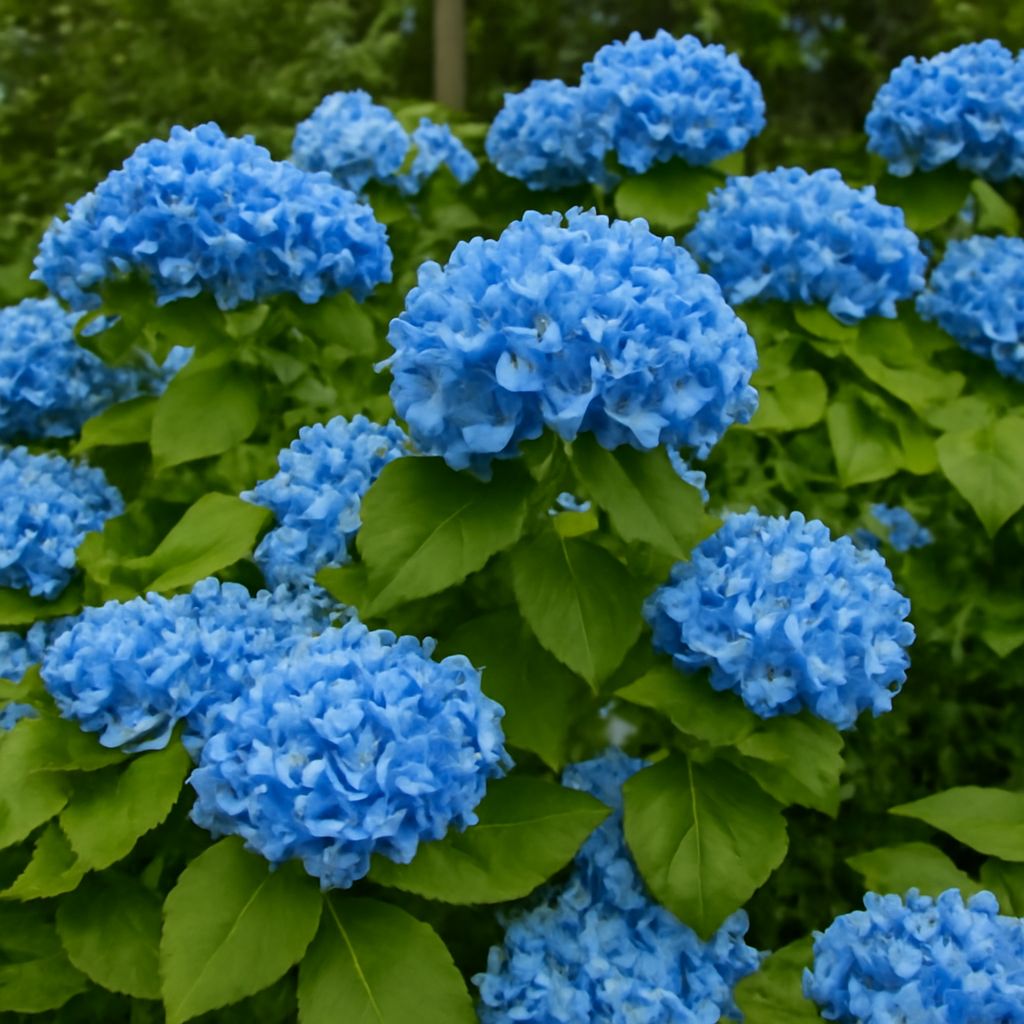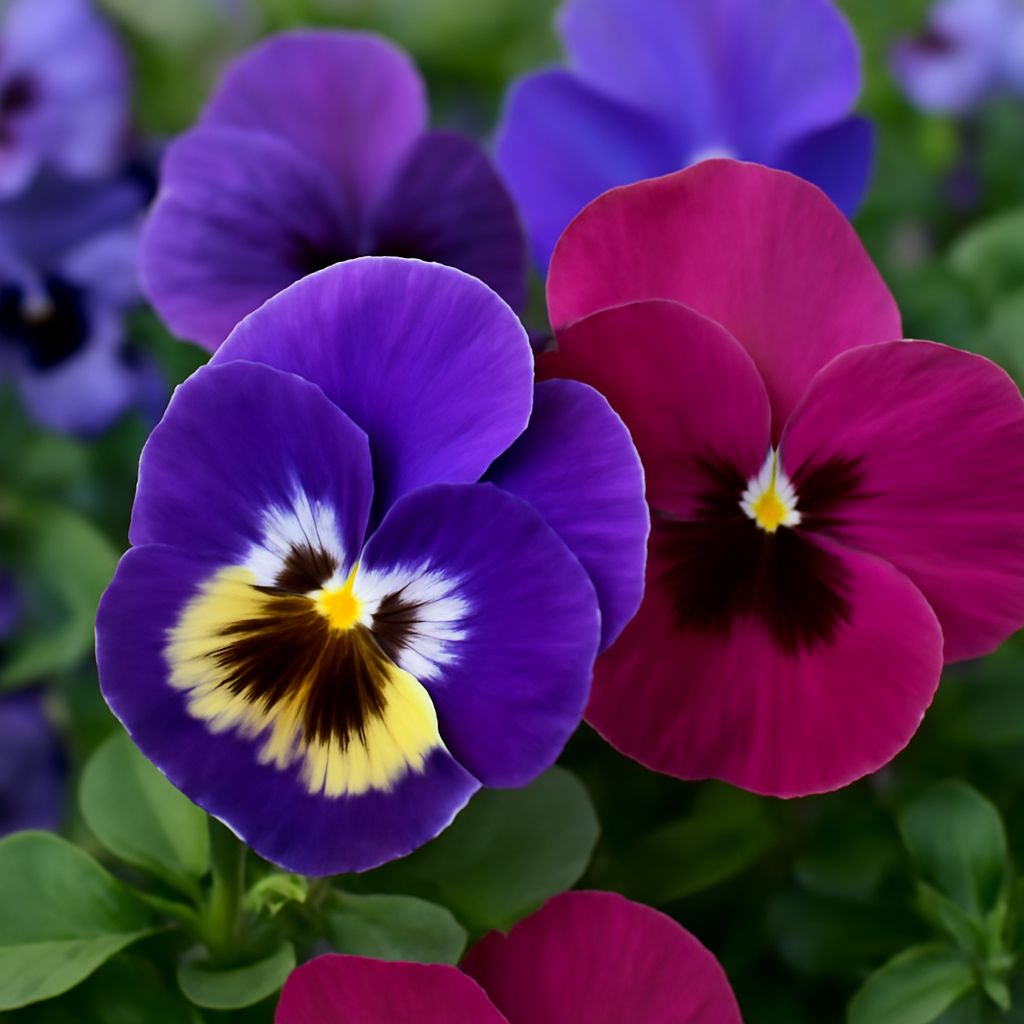
Look closely at where the colors sit. A single bloom with purple petals and a yellow center calls for a different comparison from a rounded cluster made up of separate pink and yellow blooms. Flower shape, leaf arrangement, and the way the plant grows will narrow the possibilities more than color alone.
Pink and yellow flowers in rounded clusters: lantana
A lantana flower head can look like one multicolored bloom from a distance. Up close, it is a group of many small tubular flowers, each with a flared end. Pink flowers with yellow neighbors can result when individual blooms change color as they age, leaving different shades together in the same cluster. Some varieties carry pink and yellow flowers; others combine yellow with orange or red.
The leaves offer another clue. Common lantana has opposite, toothed leaves that feel rough and have a scent when crushed. Its stems can become woody, and the plant may mound or spread. Depending on the cultivar, red, yellow, orange flowers and foliage can fill a sunny pot. The North Carolina Extension profile describes ‘Ham and Eggs’ as a pink-and-yellow cultivar. Look at the whole plant and its label before assigning a name: a similar color combination occurs in more than one cultivar.
In a sunny container, lantana’s small clustered flowers can provide a long season of color. Check whether the variety spreads or grows upright, and check local guidance before planting it outdoors: common lantana can spread aggressively in some warm regions. Keep it away from children and animals likely to eat the leaves or berries.
Purple petals and a yellow face: pansies and violas
If a yellow bloom with purple petals is flat and face-like rather than a ball of tiny tubes, compare it with a viola or garden pansy. Each flower has five petals, often with darker markings leading toward the center. A purple and yellow flower may have broad upper petals and a contrasting lower petal, sometimes marked with fine dark lines.
Wild pansy, Viola tricolor, commonly has purple upper petals, paler side petals, and a yellow lower petal. The extension plant profile notes that colors vary. Garden pansy hybrids come in many combinations, including purple and yellow flowers, so color alone cannot distinguish a named hybrid from every related viola.
Look beneath the flowers for a low, leafy plant rather than woody lantana stems. Bedding pansies can place white, purple, yellow flowers and green foliage close together. Pansies and violas are often used in cool-season beds and containers. If you want to identify a plant already in the garden, photograph its leaves and the side of a flower as well as its face. A view of the small spur behind the lower petal can help when comparing viola descriptions.
Trailing lantana offers another purple-and-yellow combination, but its structure is different: many tiny purple flowers with yellow throats gather into a cluster. Look for the low, spreading habit and opposite, toothed leaves described by North Carolina Extension. A single violet-like flower has no such cluster around it.
Orange and yellow daisies: blanket flower
Blanket flower, or Gaillardia, has a daisy-like head with rays surrounding a central disk. Some varieties have orange-red rays tipped in yellow; others show more yellow or different patterns. Compare red, yellow, orange flower heads and their central disks before naming the plant. The yellow and orange flower head sits singly on a stem rather than forming lantana’s cluster of little tubes.
For Gaillardia pulchella, North Carolina Extension describes orange-red rays with three-toothed yellow tips. Examine the ends of the rays and the central disk, then compare the leaves and overall habit. Flowers in orange and yellow occur on other daisies, so the pattern points you toward a group rather than confirming a species on its own.
Blanket flowers suit an open, sunny site with good drainage. Leave space around the stems so their branching shape is visible. When selecting a named variety, check its mature size and local hardiness as well as the photograph on the tag; a compact container plant and a taller border plant can carry similar colors.
Make a useful identification
Start with one flower head and ask whether it is a single five-petaled bloom, a daisy-like head, or a cluster of small tubes. Then record the leaves, height, and whether the stems are soft or woody. If you have several plants, examine more than one flower: a young bloom may differ in color from an older one on the same lantana.
Photograph the plant in place, its leaves where they join the stem, and a close view of a flower. Note the season and whether it grows in a pot, sunny border, or shaded bed. A nursery label can help, but a mixed tray can be misplaced; compare the label’s botanical name and growth habit with the plant in front of you.
For a cool-season pot with face-like yellow and purple blooms, begin by comparing pansies and violas. For a sunny summer container with pink blooms beside yellow ones in tight clusters, look first at lantana. A daisy head with warm-colored rays points instead toward blanket flower. The shape of the flower head gives you the next comparison to make.