A narrow garden bed has room for one small cherry, and spring flowers are part of the plan. Before choosing a tree with pink cherry blossoms, decide whether you also want fruit to pick. A cherry native to China may be sold alongside Japanese ornamentals and compact fruiting varieties, but their shapes and purposes differ.
Flowers first: choosing an ornamental
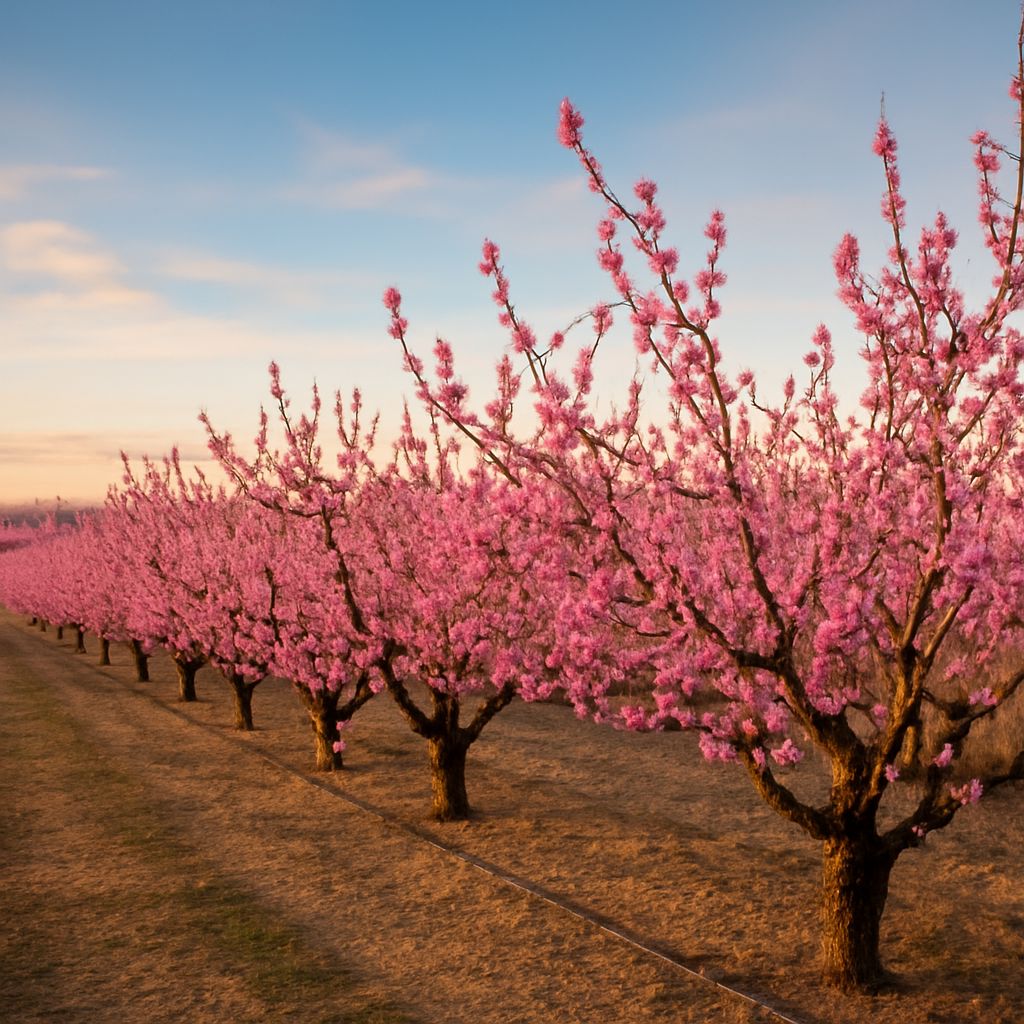
A pink cherry blossom tree can give a small yard a bright few weeks in spring. Ornamental cherries are selected chiefly for their flowers and form; a cherry tree with pink flowers can soften the edge of a patio. Some set little or no fruit; others make small fruit that birds take. Check the named cultivar rather than expecting a crop of dessert cherries from its blossoms.
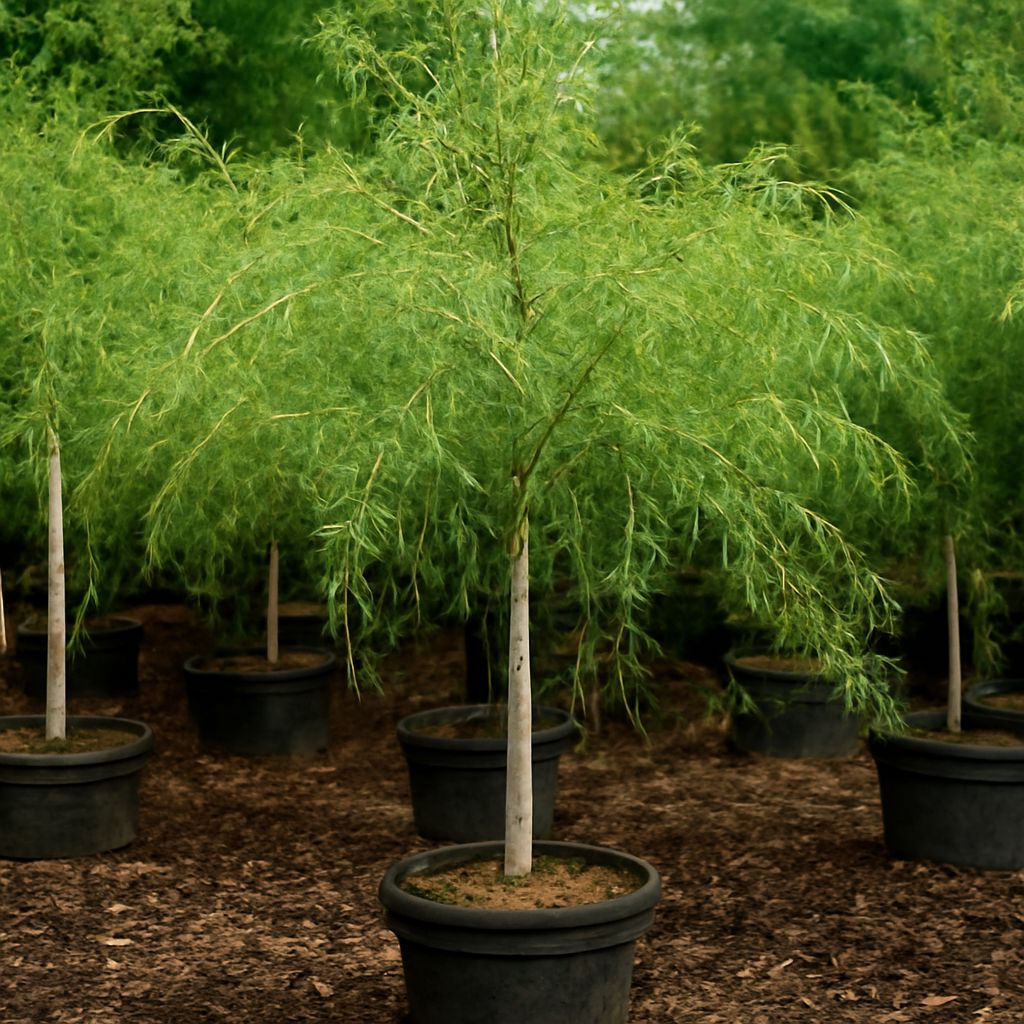
For a confined bed, a dwarf flowering cherry may offer the scale you need. ‘Kojo-no-mai’ Fuji cherry is a compact, twiggy selection with pale flowers that open from pink buds. Ask the nursery for its mature height and spread in your conditions, and allow room for the branches to reach their natural outline. A compact flowering cherry sold as a young sapling can look much smaller than it will after several seasons.
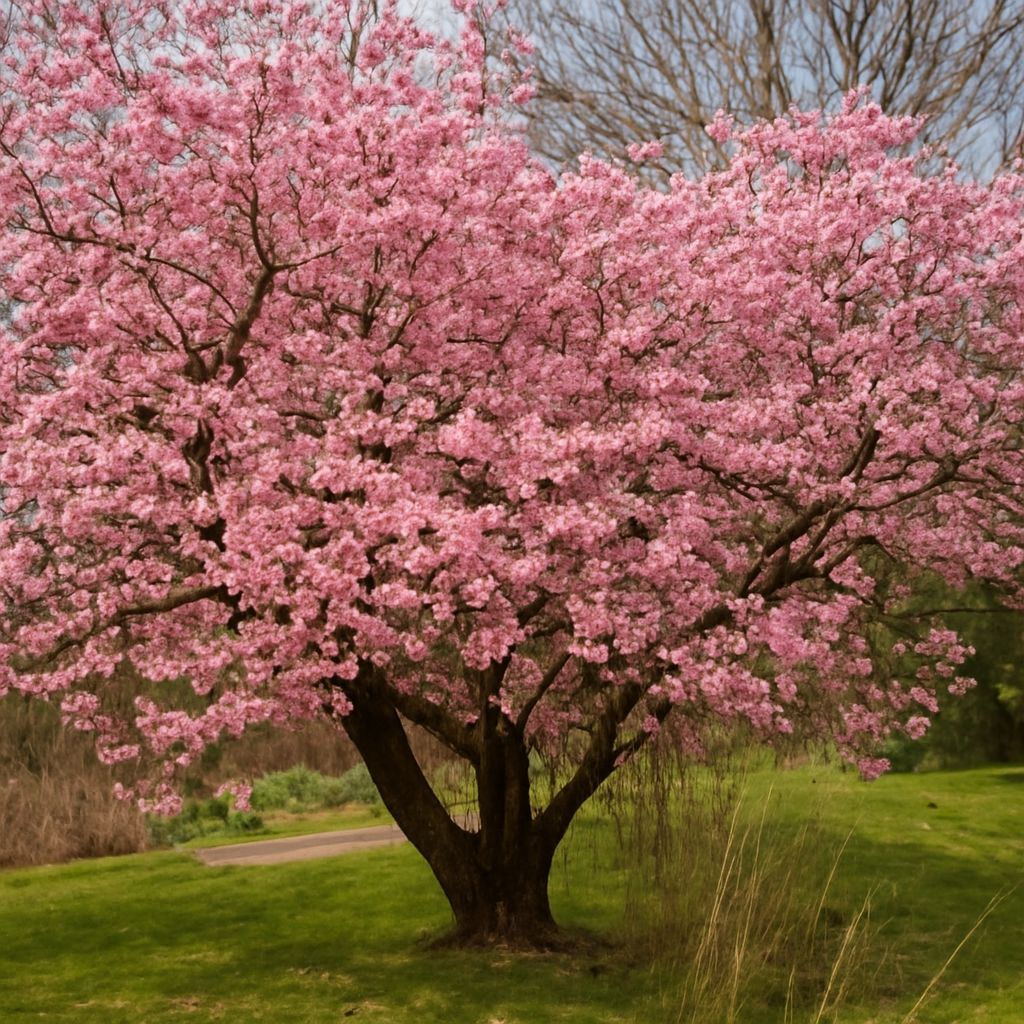
The term sakura cherry blossom tree describes a flowering cherry associated with Japanese spring displays; it does not specify one mature size. Some japanese flowering trees become broad, substantial specimens. Look for the botanical name and cultivar on the label, then compare its eventual width with the space between the path and the house. A small cherry with pink blooms may fit a corner better than a larger variety that needs constant cutting back.
Chinese cherry tree: Read the plant label
The name can describe more than one plant, so ask for the botanical name before buying. Nanking cherry, Prunus tomentosa, is a flowering and fruiting shrub native to parts of East Asia, including China. It commonly grows around 6 to 8 feet high and 6 to 10 feet wide, according to University of Minnesota Extension. Its spreading shape needs ground space even though it is shorter than many trees.
A Chinese cherry tree of this kind bears small, tart edible fruit after its spring bloom. Check pollination requirements with the nursery: if another compatible plant is needed, allow room for both. A Chinese cherry grown as a shrub gives a different effect from a single-trunk ornamental; choose it where a broad outline and fruit are welcome. A cherry shrub from China also needs enough space for its spreading branches.
Fruit first: pick the right rootstock and partner
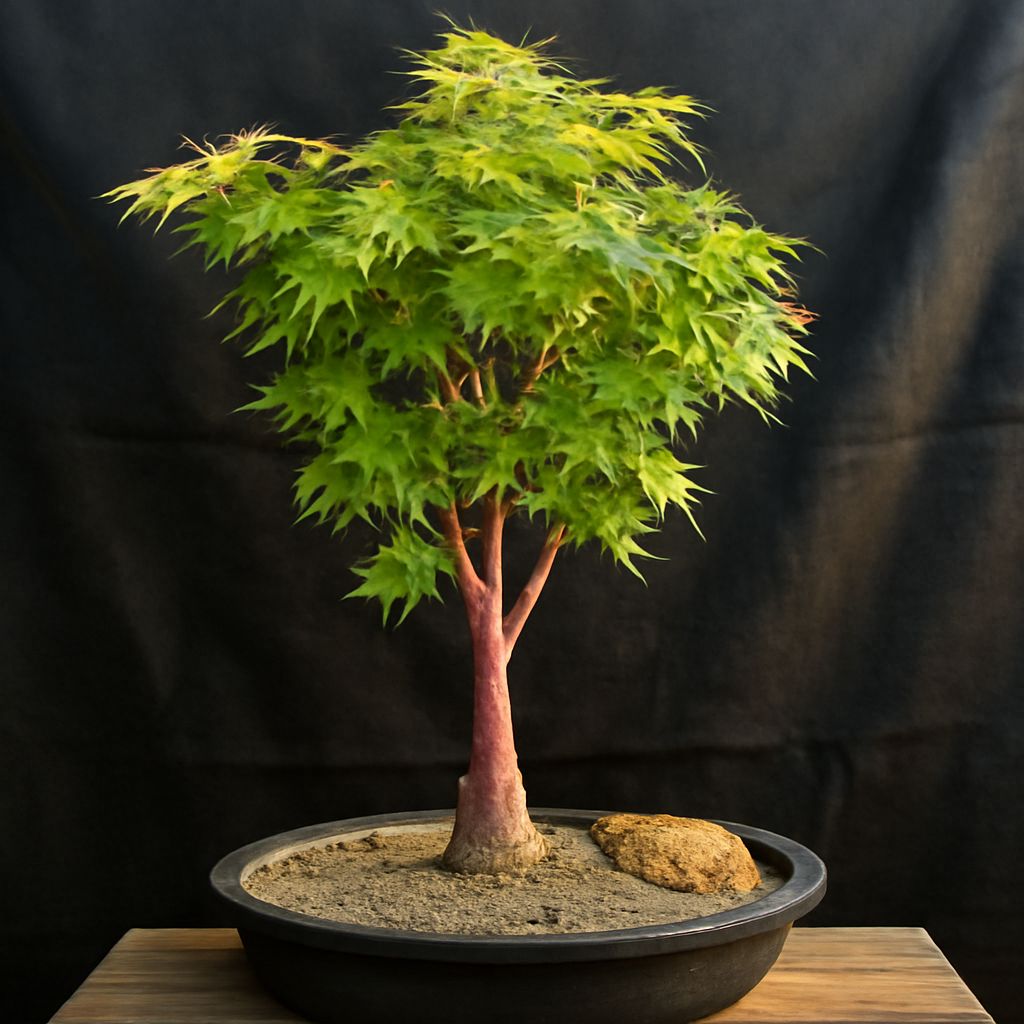
A dwarf sweet cherry tree is grown for eating fruit, but its ultimate size depends on the named variety, rootstock, soil, and care. Some remain small enough to pick from the ground or a short ladder; others sold as dwarf still need a generous patch of yard. Ask for the expected height and spread of the exact grafted combination, then measure a circle of that width on the ground.
If your climate favors tart cherries, compare those as well. ‘North Star,’ for example, is a compact, self-compatible tart variety listed by University of Minnesota Extension at up to 10 feet tall. Its fruit is suited to pies and preserves. A compact sweet cherry grown on a dwarfing rootstock may be a better choice for fresh eating where the variety is adapted.
Check whether your selected cultivar is self-fertile or requires a compatible partner that blooms at the same time. Two trees of the same incompatible variety do not solve a pollination problem. Spring frost can also damage open flowers, so ask a local nursery or extension office which varieties and bloom times suit your area. Plan for birds at harvest, too: netting must be secured so wildlife cannot become tangled.
Plant for the tree’s full size
Choose a sunny site with well-drained soil. For fruiting cherries, aim for at least six hours of direct sun a day. Avoid a low hollow where cold air settles and water stands after rain. Before planting, check overhead lines and underground utilities, then leave enough clearance for the mature crown and a path around it.
Dig a hole about as deep as the root ball and wider than it. Set the tree so its root flare is at ground level and keep any graft union above the soil. Backfill with the removed soil, firm gently, and water thoroughly. Spread a layer of mulch over the root area, leaving a clear gap around the trunk so bark can dry.
Water regularly while the roots establish, adjusting for rain and soil moisture. A miniature cherry tree in a container dries more quickly than one in the ground; use a pot with drainage holes and check the mix often in hot weather. Containers also expose roots to winter cold, so select a hardy plant and plan winter protection suited to your climate.
Prune dead or damaged wood and follow local guidance on timing, since wet weather can favor disease. A miniature tree bearing cherries still needs space for air and light through its branches. When a tree carries cherry blossoms in pink each spring, let its natural shape provide the display rather than shearing it into a tight ball.
For a small bed devoted to flowers, select a compact sakura tree with blossoms you like and room for its mature spread. For a harvest, choose a named fruiting cherry suited to your climate, with space for its pollination partner if needed. Either way, size the planting place for the grown tree before you buy.